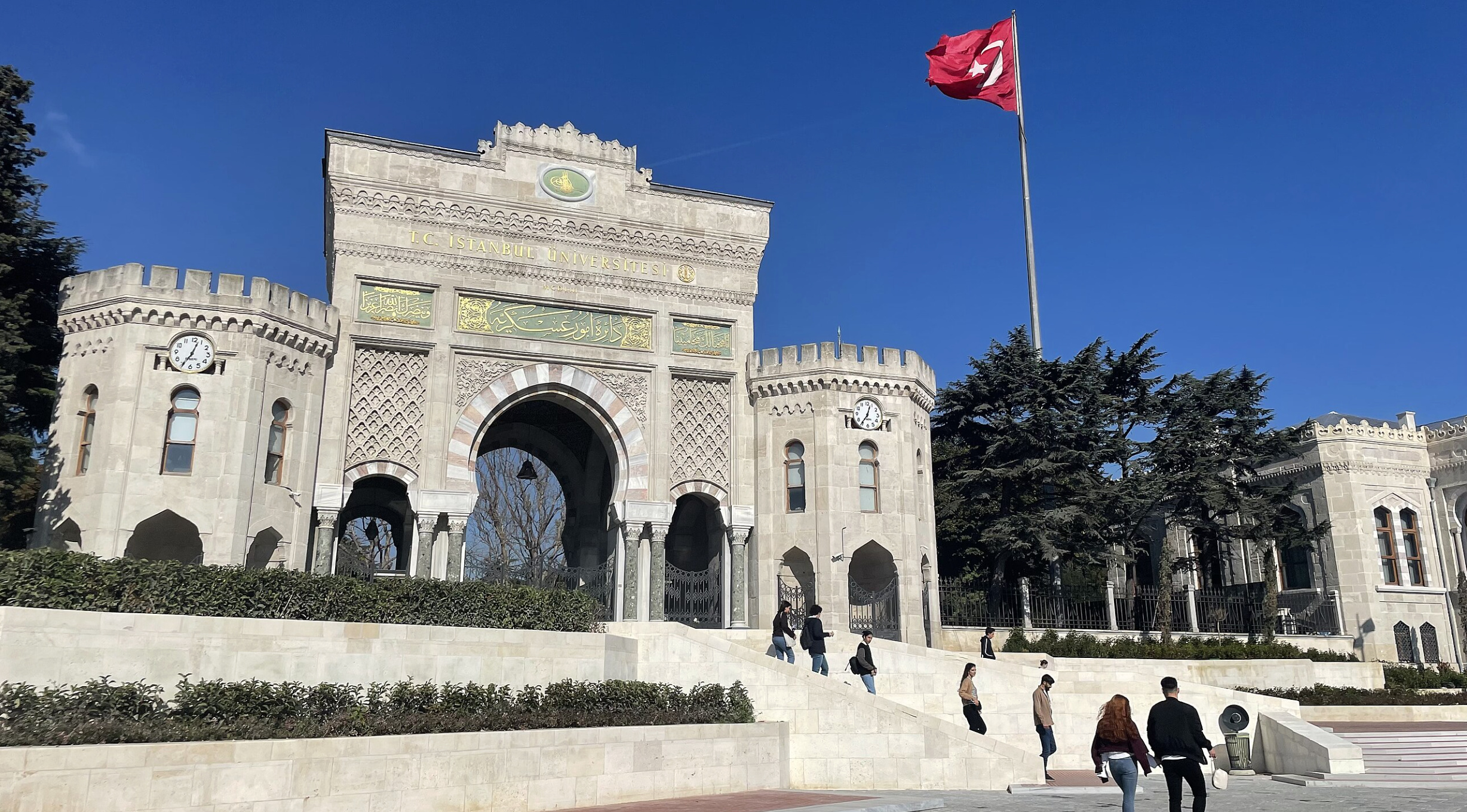
This trip to Turkey has been an immense pleasure. We were fortunate to be in the presence of various academics and student representatives who shared their presentations, further deepening our understanding of Turkey’s development model and beautifully uniting and building upon every lecture and reading we have covered in this module. This trip allowed us to go beyond the texts we read and see for ourselves what living in Turkey is like according to respected Turkish academics and their students, as well as form our own opinions regarding Turkey’s development model. During the seminars, we learned about the nation’s lengthy history of modernisation, from the Republic’s early reforms to Turkey’s current political and economic situation. Academics discussed how Turkey’s identity has always been a delicate balance of secularism and political Islam, European aspirations and Middle Eastern connections, nationalism and multiculturalism. Seeing Istanbul firsthand, with its combination of contemporary infrastructure and rich cultural past, made these complex identity debates feel very real, especially in relation to how the country seeks to improve its urban systems and public services in line with the ambitions reflected in SDG 9 (Industry, Innovation and Infrastructure). One lecture offered a macro-level perspective on growth, inflation, trade, and employment with a focus on Turkey’s economic performance. With robust export sectors, a significant service sector, and ongoing integration into international markets, the nation’s economy is nonetheless thriving. However, difficulties still exist. Several presenters addressed youth unemployment, which is still a significant problem that has an impact on long-term development, mobility, and opportunity. The rough facts and theories we read about were reinforced by hearing students share their own opinions about the job market experience, especially in relation to the apparent gender gap between women and men. The changing status of women in Turkey’s development narrative was another topic we studied. While highlighting the obstacles that still persist, such as unequal access to economic opportunities, gendered labour norms, and disparities in representation, academics also emphasised advancements in education, workforce participation, and rights over the years. One seminar ended with a powerful reminder that ensuring women’s full inclusion is not only a question of rights but also crucial for accelerating national development, directly aligning with the global objectives of SDG 5 (Gender Equality). The convergence of theory and experience was what gave this journey significance. The Turkey we observed was more than just the case study from our lesson. This trip shed light on various aspects of Turkey moulded by much more than just data, general facts, or academic concepts. We discovered a nation steadily balancing its rich heritage with its future goals, whether it’s portrayed in the different architecture of its cities, in academic discussions, or in our interactions with locals. And last but not least, we would like to deeply thank our professor, Dr. Farhang.
Wissal Bahanniss