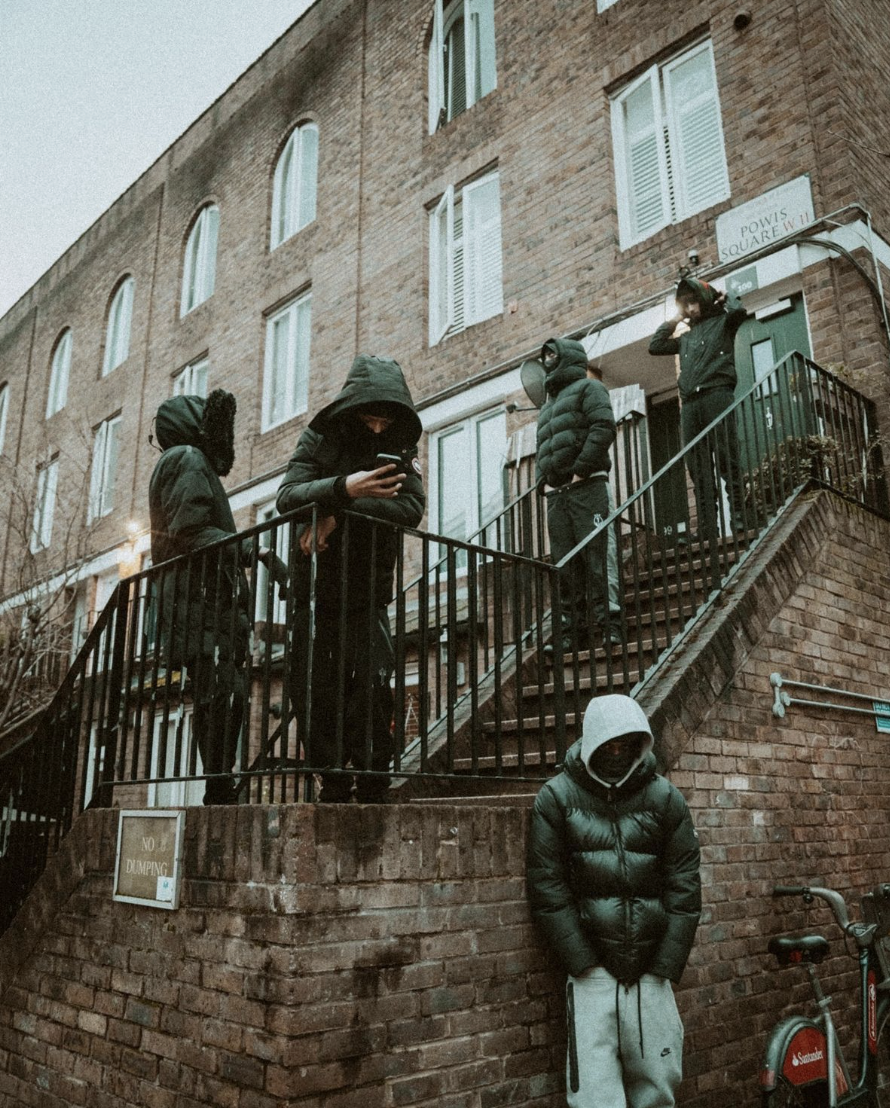
In some families, the inheritance isn’t money… It’s a knife. A baton of survival, passed silently from one generation to the next. On streets like Church Road, among communities of colour, that baton became a legacy. The truth for many young black boys is that the knife isn’t about power; it’s about protection, identity, or...
Category: Current iIssues
Home in the Diaspora: Memory, Identity, and Belonging
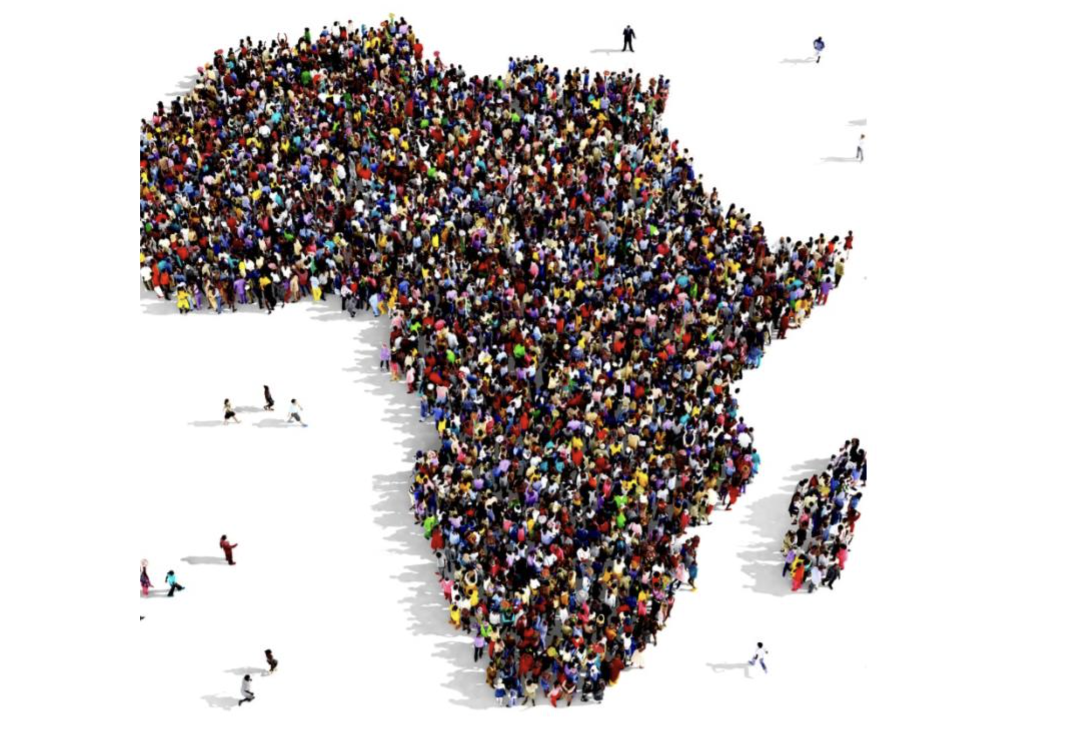
To belong to a place you never lived in is a strange inheritance. For many diasporic Africans, “home” is more a presence than a location, felt in names, rhythms, stories, and the hushed pull of a continent that lives inside us even when we may never have stood on its soil. It is important as...
AI and the Irregular Architecture of Digital Participation: Who Speaks, Who Decides, Who Benefits?
In this digital age, questions of who speaks, who decides, and who benefits have become central to understanding how technology reshapes democracy. Digital activism has redefined participation, transforming communication and civic power through Artificial Intelligence or AI. In the context of this discussion, it will be argued that AI will continue to expand accessibility...
The Caribbean’s Unfinished Liberation
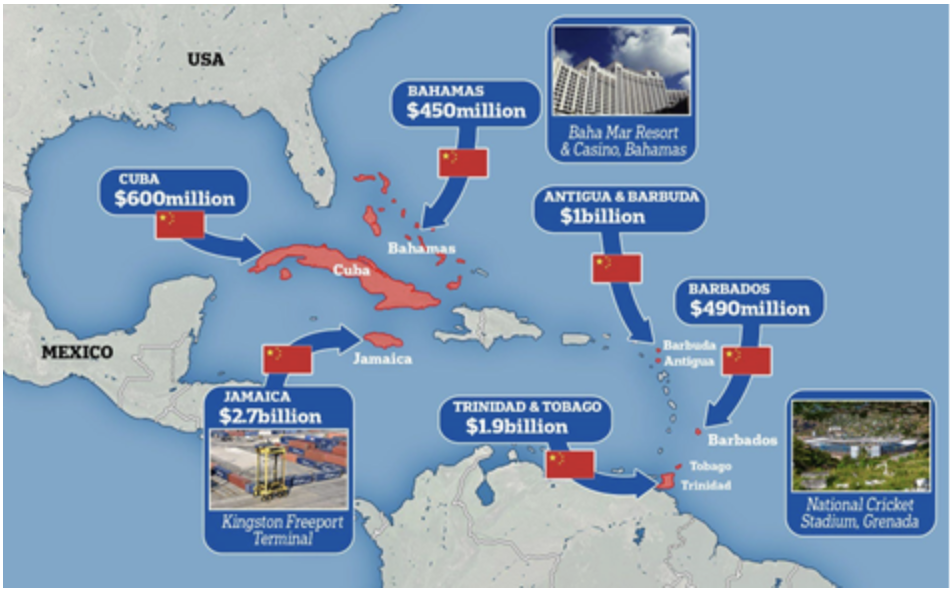
The history of the Caribbean is rooted in the lives of its Indigenous peoples, such as the Kalinago and Taíno communities, who sustained themselves through fishing, agriculture, and careful use of natural resources. This long-established way of life changed dramatically from the 15th century onward as European powers—including Spain, Britain, France, and the Netherlands—began colonising...
Digital Activism in the Age of AI
Public spaces are needed for democratic participation; bringing individuals together to gather, speak, and demand change. Places such as town squares or central streets. However, this is no different in the digital age, as now the idea of public space has gone beyond geography. Online platforms (e.g., Instagram, TikTok) have now become new areas of...
Digital Platforms and Democracy
Traditionally, when you think of a public space you may imagine streets, city squares, parks, or university campuses. Public spaces serve many functions, they are places of leisure, social interaction, and cultural expression. Alongside these everyday purposes, they also act as settings for deliberative democracy which Britannica (2025) defines as a school of thought in political...
The Eyes in the Square: Croydon’s Lesson on Trust, Technology, and Freedom
Where people once gathered freely to speak, debate, and protest, a new kind of listener has arrived — one that doesn’t blink, doesn’t sleep, and never looks away. Artificial Intelligence is now part of the way our cities watch us. Town squares, high streets and shopping centres have always been important democratic spaces. They are...
Discipline or Oppression?
For decades, female students entering government secondary schools in Ghana have been required to cut their hair short. This policy, rooted in colonial-era practices from the 1940s, was originally intended to distinguish natives from colonisers and to exert control over young women attending school. Today, this tradition continues to spark debate over its relevance and...
When the Storm Comes: Roots, Resilience & Democracy
When a powerful storm strikes a great tree, its branches may tremble and shake violently, its leaves may fall to the ground, and even its great trunk may squeak under the immense pressure. Yet amid this chaos of slashing wind and violent trashing, the trees’ roots dig themselves ever so deeply into the ground, reinforcing...
At What Cost? Efficiency, AI, and the Human Rights in Digital Public Spaces
A while ago, I wanted to purchase a skincare product. Somebody highlighted on social media that this product would help my skin type, and like any other person interested in Korean skincare, I wanted to buy it. When it came to the payment, the store only accepted card payments. Unfortunately for me, I had the...
Where the streets meet the screen: Rethinking public space in the Age of AI
There was a time when public space meant something tangible: the city square, the park, the crowded streets filled with voices echoing for change. A place of presence. You showed up, you stood together, and your body became part of the message. Today, that space has expanded, not disappeared, but reshaped. Into screens, algorithms, and...
Is hunger a political choice? We think so.
The United Kingdom is the sixth richest country in the world, and yet, we still have 14 million people who struggle to put food on the table. In a society that has become increasingly willing to turn a blind eye, I feel that it is no longer a problem that belongs to the few. It...