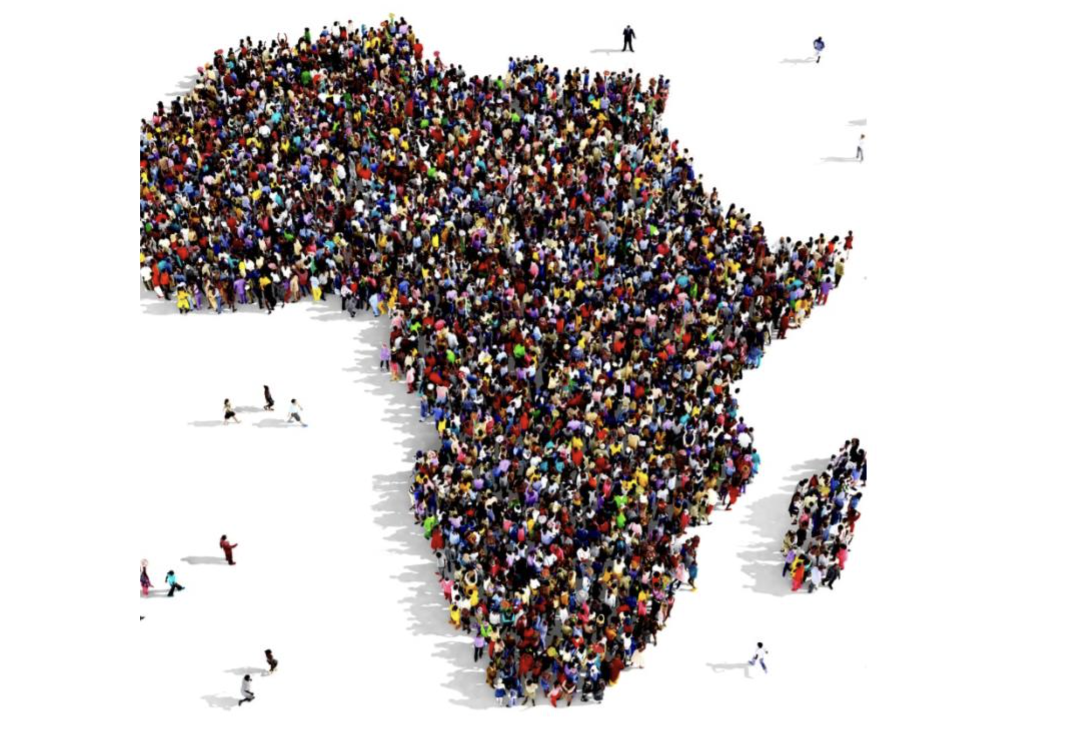
To belong to a place you never lived in is a strange inheritance. For many diasporic Africans, “home” is more a presence than a location, felt in names, rhythms, stories, and the hushed pull of a continent that lives inside us even when we may never have stood on its soil. It is important as distant members of the shared African heart to explore what it means to carry that presence, to navigate identity shaped by distance, and to desperately search for belonging across memory and imagination.
Belonging in the diaspora is nowhere near simple. It is the constant negotiation between where we are and where we come from, between inherited histories and currently lived realities, both of which can feel equally alienating. Identity becomes a mosaic: pieces from parents, birthplace and ancestral memory. Yet the question remains, can such a fragmented cultural identity ever feel whole? Many discover that wholeness isn’t about uniformity but harmony. “Home” can be both familiar and foreign, a place that welcomes us yet still reminds us that we are strangers. We return either as guests or ghosts, carrying expectations shaped more by stories we weren’t there to witness rather than our own personal experiences.
The diaspora’s inheritance lies in the hands of memory and myth. Africa is passed down through minor fragments: dishes cooked without exact measurements, proverbs half-remembered, languages spoken with pauses or accents, stories altered in translation. These fragments shape our sense of belonging, but they can also raise questions about authenticity. Who gets to decide what is “real” African identity, those who stayed, those who left, or those caught in between?
Translation, in all its forms, is central to the diaspora. Some things survive; others shift. Our “Africanness” is reshaped, but not erased, by distance. It lives in adapted rituals, creativity and longing. Authenticity becomes less about purity and more about continuity and connection.
And still, from diaspora births new, rejuvenating communities. They build new neighbourhoods, traditions and ways of taking African worldwide. But these spaces are not merely echoes of lost homelands but new ancestral birthplaces in their own right, a hybrid, evolving, entity deeply rooted in communal resilience. The diaspora is not only a place of displacement but also of cultural reinvention, softening the harsh blow of the dilemma of disconnection.
In the end, home is both inherited and made. It is remembered through stories and built through community. For diasporic Africans, belonging is not a destination but a forever evolving state of existence, one shaped by memory, identity, and the imperishable and inescapable thread that ties us to where we come from.
Lydia Solomon