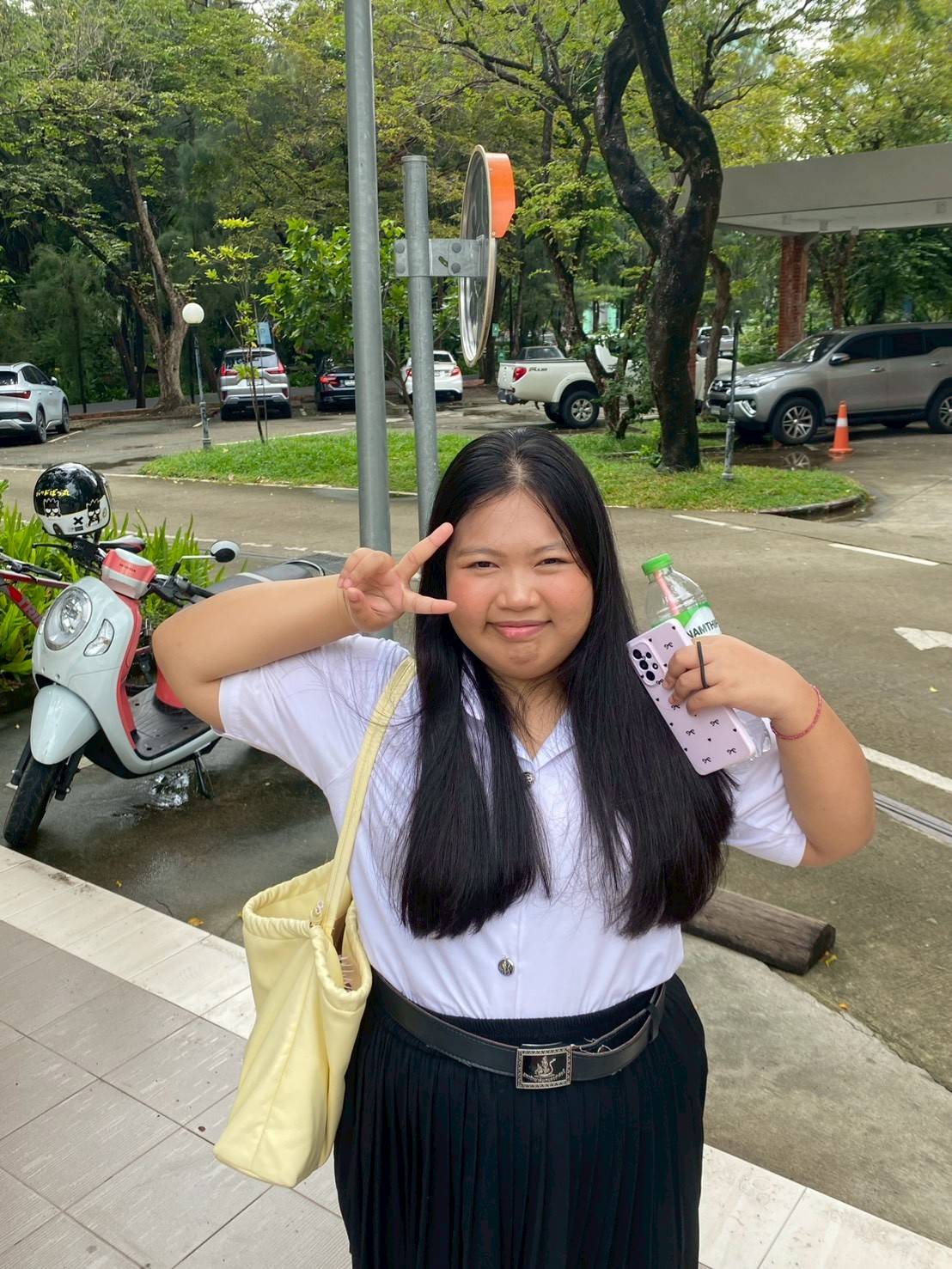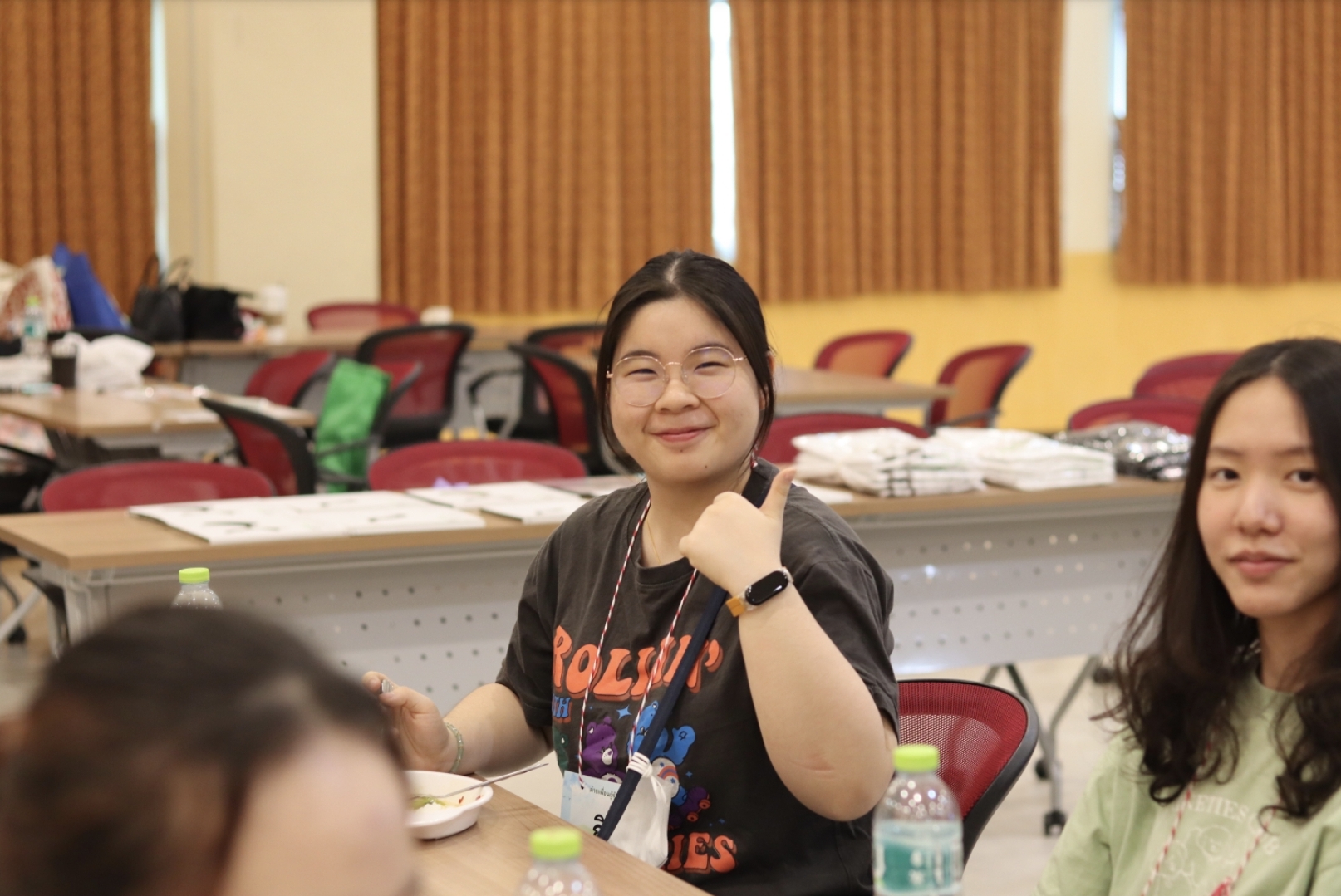
Hello, my name is Poonyaporn Rugsancharoenphol, though most people call me Ting. I’m a third-year student at Kasetsart University in Thailand, studying Clinical Psychology in the Faculty of Social Sciences. While I’ve travelled extensively across Asia—visiting Japan, South Korea, China, Hong Kong, Taiwan, Vietnam, and Singapore—this will be my first time venturing to Europe, and I’m genuinely excited about what awaits me in London.
Why This Matters to Me
Thailand faces interconnected challenges that have shaped my perspective as a future psychologist. Air pollution, particularly PM2.5, affects our physical health daily. But equally pressing is a deeper social issue: systemic corruption deeply rooted in our society’s patronage system. These challenges aren’t abstract—they impact mental health, social trust, and people’s sense of hope for the future. As someone passionate about understanding human behavior and emotions, I’ve become convinced that addressing these issues requires not just individual intervention, but collective dialogue and systemic change. This is why I’m drawn to DEN’s mission of democratic education.
My Learning Journey
My three years at Kasetsart University have been transformative. I’ve been fortunate to study in an intensive learning environment with knowledgeable professors and supportive classmates. What strikes me most is that my program encourages us to think critically about real-world issues. We discuss mental health crises and current social problems, exchanging ideas to build new understanding together. However, I’ve also noticed that cultural norms sometimes limit our willingness to engage with sensitive topics like politics or conflicts in belief systems. This gap between what we could discuss and what we do discuss has made me curious about how other educational systems approach these challenges.
I’d describe myself as empathetic, creative, and someone who finds happiness in simple things. My strength lies in reading others’ emotions and responding with care—essential for psychology. Yet I recognize my own limitations: my empathy sometimes makes me overthink, and I can feel stressed easily about the future. In my free time, I find solace in music, films, and playing the traditional Thai flute.
My Expectations and What I Hope to Gain
I expect London to be a truly global city where diversity isn’t just celebrated but lived daily. I’m eager to understand how it grapples with real social issues and how people from different backgrounds navigate shared spaces. At the University of Westminster, I hope to enter an open academic environment where I can build meaningful connections with students and faculty from around the world. I want to strengthen my English fluency and develop soft skills—communication, teamwork, adaptability, creativity, and problem-solving—that will serve me throughout my career.
Through the Democratic Education Network, I particularly want to understand educational approaches that genuinely encourage student participation and connect learning to real-world challenges. These insights will inform both my future work in psychology and my broader vision of how education can drive social change.
What I’d Like to Contribute
I’m eager to share and discuss two interconnected topics. First, student mental well-being: How do students balance academic pressures with their psychological health? Do peers in the UK experience similar stress and anxiety about future careers, and what coping strategies have proven effective? Second, AI and the future: How might artificial intelligence reshape fields like psychology, and what are students’ hopes and concerns about their career prospects in an AI-driven world? I believe these conversations are vital, especially as we navigate unprecedented change.
Practical Questions and Gratitude
I’d love recommendations for day trips within 1-2 hours of London that are budget-friendly. I’ve heard Oxford and Windsor are worthwhile, but I’d welcome suggestions for places with affordable entrance fees. In London itself, I’m keen to visit iconic sites like Big Ben, the British Museum, Tower Bridge, and the National Gallery—spaces where culture and history intersect.
More importantly, I’d like to ask: What expectations do you have of us as DEN participants? Is there anything I should research or prepare in advance? What should I be mindful of as a visitor, and do you have recommendations from previous participants from my university about making the most of this experience?
I return to my studies with renewed passion for psychology, but also with humility about how much I still need to learn. I believe this conference will challenge my assumptions, expand my perspective, and help me become the kind of psychologist and global citizen our world needs—one who listens deeply, thinks critically about systems and structures, and works collaboratively across borders toward meaningful change.
Thank you for this incredible opportunity. I’m ready to listen, learn, and contribute.
Poonyaporn Rugsancharoenphol (Ting)
Kasetsart University, Thailand