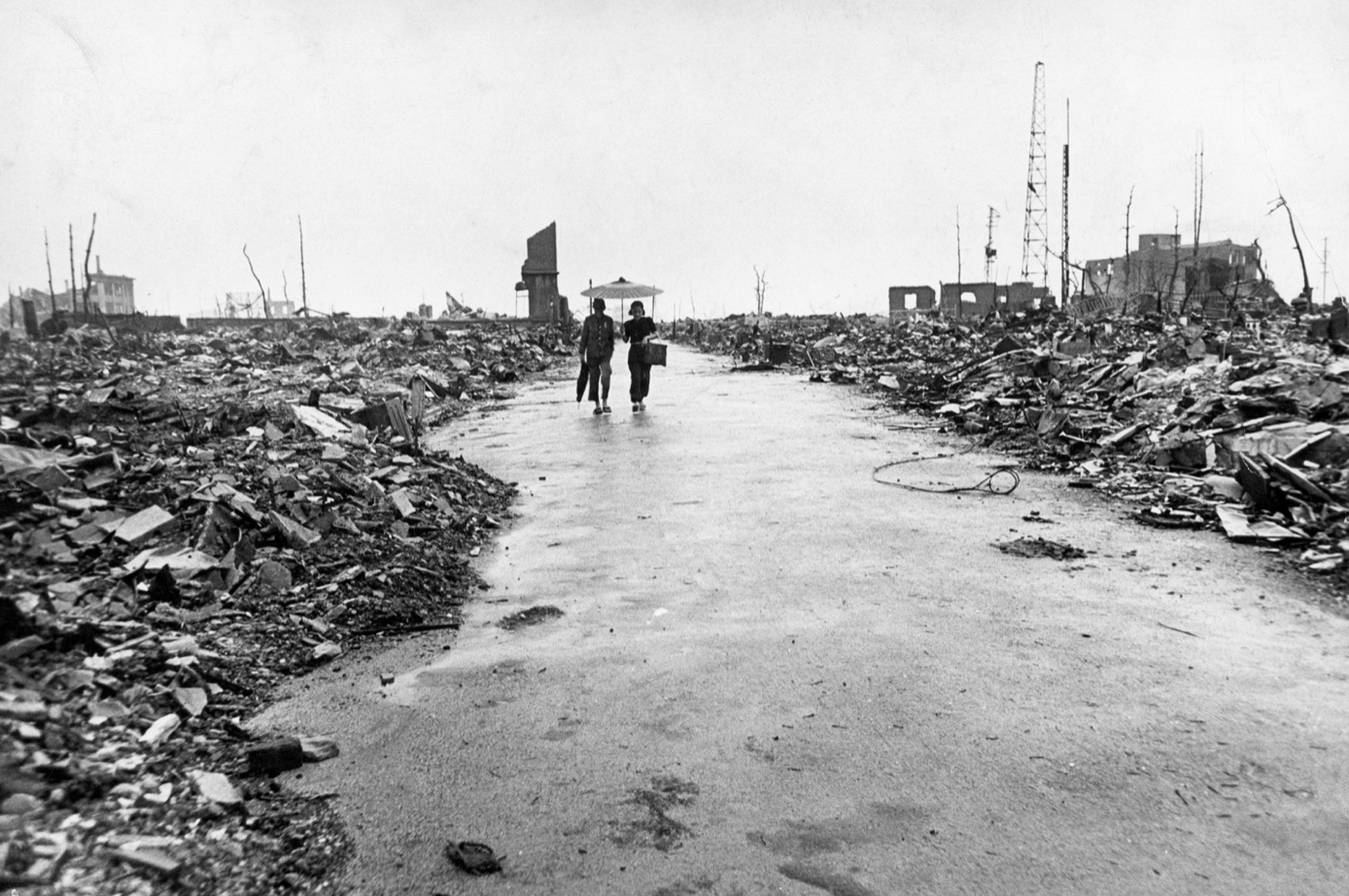
The celebration of Victory Over Japan Day, or V-J Day, on August 15, 1945, marked the end of World Japan’s surrender to the Allied forces. The globe greeted the moment with joy and happiness, the relief of having suffered years of devastation. But it was also a brutal recollection of what wholesale human degradation means. The use of atomic bombs in Hiroshima and Nagasaki forced Japan to surrender. Still, at the same time, it showed the entire world how nuclear weapons can bring decimation to a population. The level of devastation was baroque, and it plagued the generations that followed, as well as leading to the movement for nuclear disarmament all over the world.
World War II’s end did not pave the way to a new chapter; it made the world we live in today. The war’s end marked the end of imperialism and the beginning of the decolonisation that undone colonial domination of numerous countries in Asia and Africa. The world’s power balance was transformed, and the United States rose as a major power, along with the Cold War and present-day geopolitics.
But history is not as black and white as the victors would have it. Modern Japan has also rewritten its post-war history to hide or minimise the number of atrocities it committed during its imperialistic spur. Perhaps the most painful erasure is that of the comfort women, thousands of women from Korea, China and other occupied territories who were forced into sexual slavery by the Japanese Imperial Army. Even though there is ironclad evidence and eyewitness accounts, historical revisionism seeks to hide these atrocities from the historical record. There is the same trend of covering up the victims’ stories in other wars as well; for example, in Bangladesh, the Binangonan women who were sexually assaulted during the 1971 Liberation War were made to feel ashamed and were forgotten. These stories show a common trend across the world: women used as tools of war and then discarded, their pain hidden by patriotic narratives and historical revisionism.
The Western colonial powers have also been selective in the way that they have portrayed their wartime activities, often hiding the darker side of their imperialism and military exploits. This, however, is a problem because it means that the voices of the helpless, those who suffered most, are not included in this form of historical recounting. This is an important question: How many cover-ups of atrocities in recent conflicts will be revealed in only several decades? The lesson of World War II is about remembering the past and preventing history from being rewritten by its rulers.
V-J Day is celebrated as a day of victory for peace, and it should be. But it also should be a day of accounts. It is a chance to celebrate the achievements and mourn the wounds that war and colonialism have left behind. By sorting out the truth, society can give a voice to the survivors and their offspring and ensure that their suffering will not be wiped away from history. The end of World War II was not only the end of the war but the beginning of a new world we live in now.
Michelle Mohaimen