
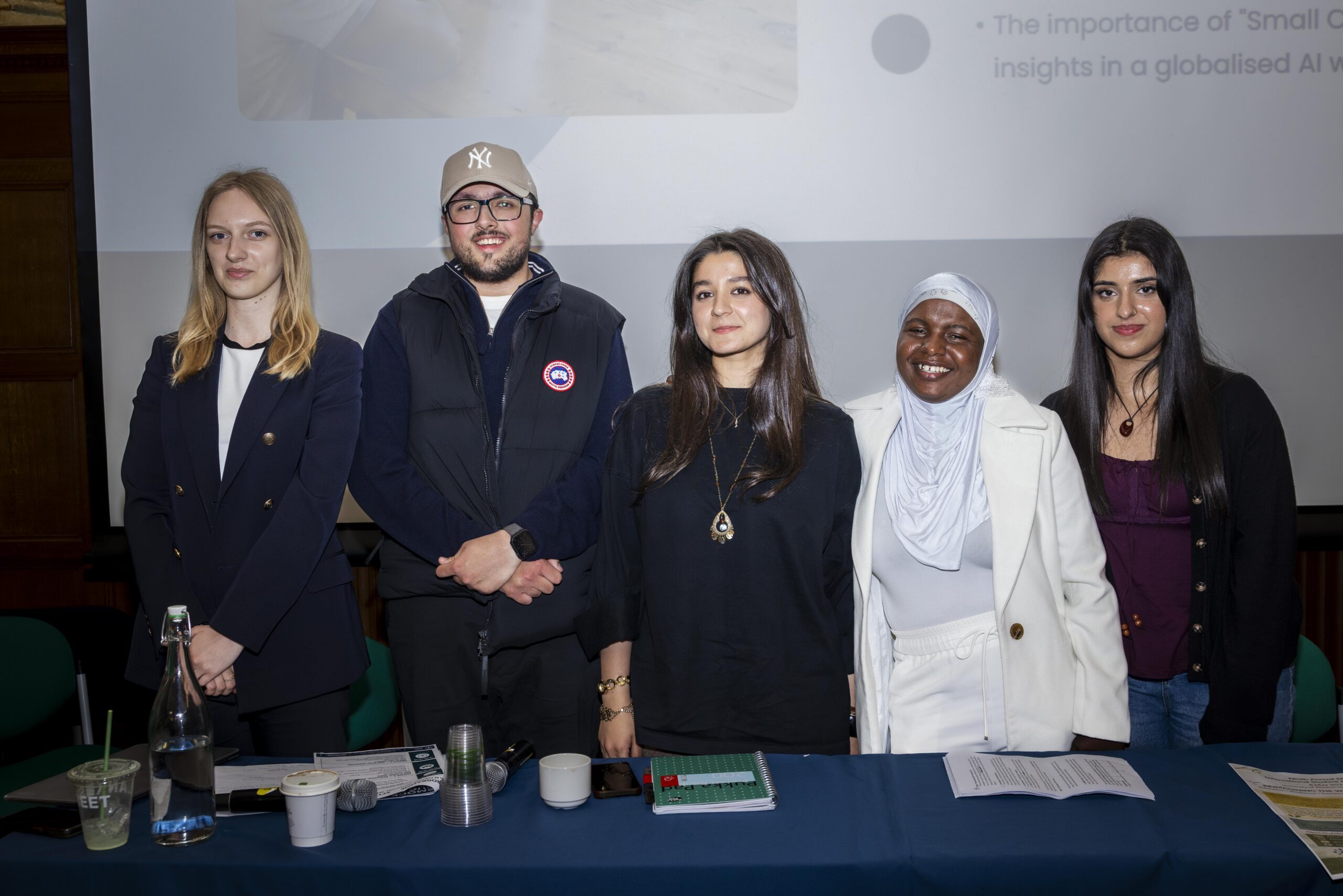
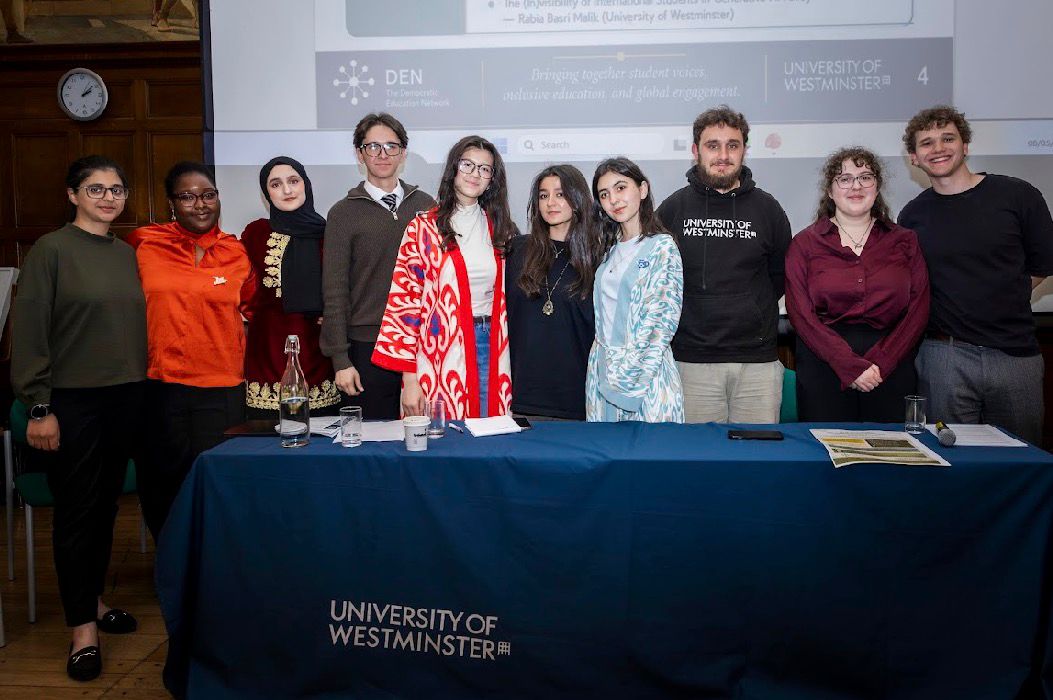
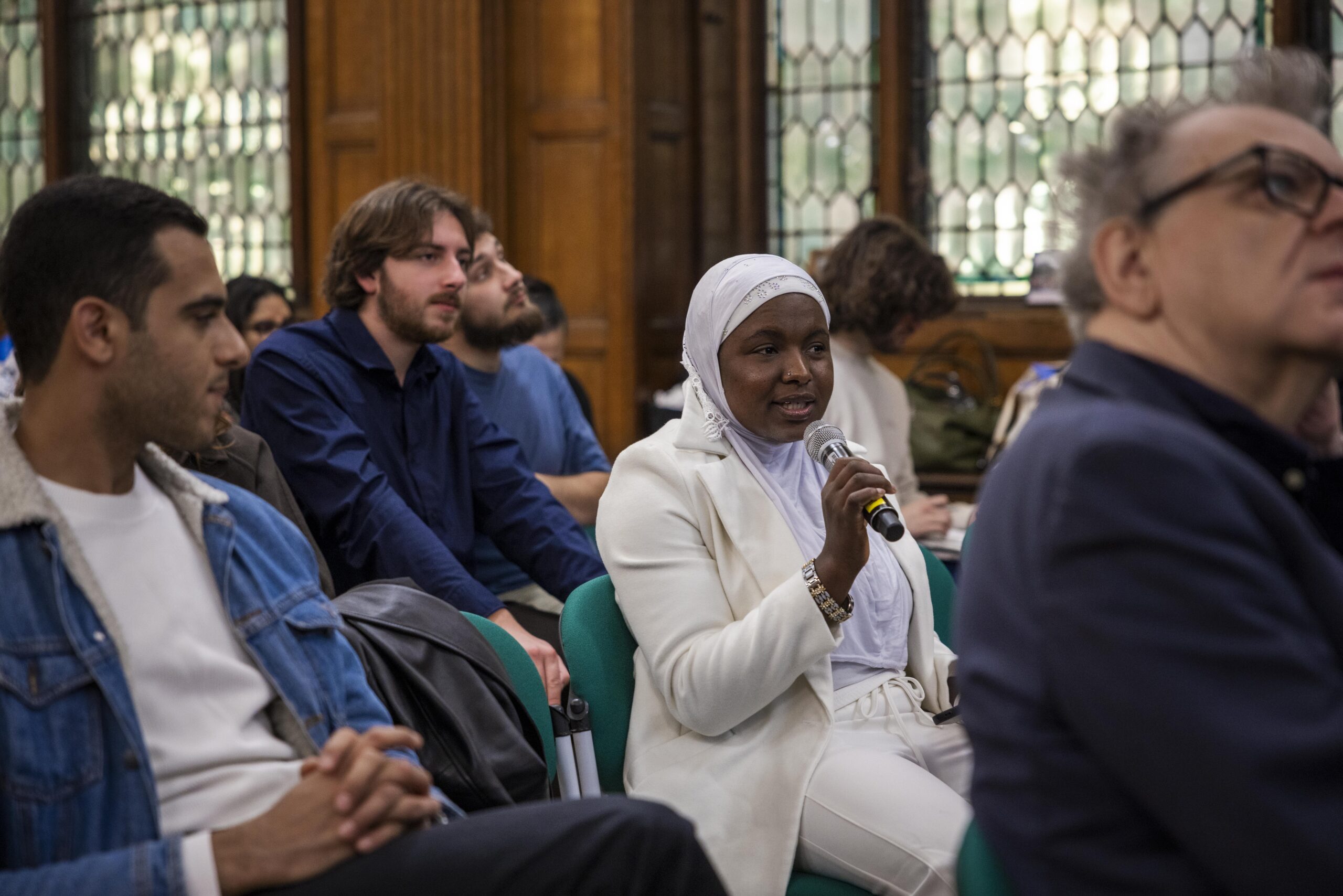
I am a second-year Medical Sciences student. I recently had the opportunity to present at the DEN conference on a topic that has long remained in the background of my life: impostor syndrome, particularly in higher education. At sixteen, I struggled deeply with self-confidence. I was unhappy with myself academically, physically and emotionally. I often found myself thinking, “I am falling behind everyone around me” or “they are so much better,” because I lacked trust in my own capabilities. In fact, I had limited myself to environments that reinforced those beliefs. Impostor syndrome slowly began shaping how I viewed opportunities, leading me to avoid putting myself forward because I assumed someone smarter or more capable would succeed instead. I became afraid to ask questions, out of fear of being perceived as ‘dumb’. When I finally started to notice my progress, I remember speaking to a teacher in college about my ambitions and being met with the response, “Good luck trying to achieve your goals”, while others in the room reacted with sarcastic laughter and applause. At that time, moments like this deepened the self-doubt that I was already struggling with. Over time, I realised that many students silently experience the same thing. We become afraid to ask questions, afraid to take opportunities, and afraid to speak because we assume everyone else is more capable or more deserving than we are. That realisation is what encouraged me to speak about impostor syndrome at the DEN international student conference. I am privileged to have been given the opportunity to openly speak about a widespread struggle students face, and to hear afterwards that other students resonated with what I had shared. It reminded me that conversations like these are necessary within academic spaces because so many people quietly struggle without ever speaking about it. What I appreciated most about the DEN conference was that it created space for honesty. It did not feel like a place where students had to appear perfect or have all the answers. Instead, it was a welcoming and comfortable space. By presenting, I realised that vulnerability can create connection, and that sharing personal experiences can sometimes help others feel less alone. Nobody has all the answers; growth comes from being willing to speak, asking questions without fear of humiliation, and learning not to let self-doubt control how we see ourselves or our potential.
Rida Butt

It’s so relatable, especially feeling like everyone else knows what they’re doing in my program.
Wow! I feel like I’ve been understood! I’m so proud of you RIDA keep up the good work!