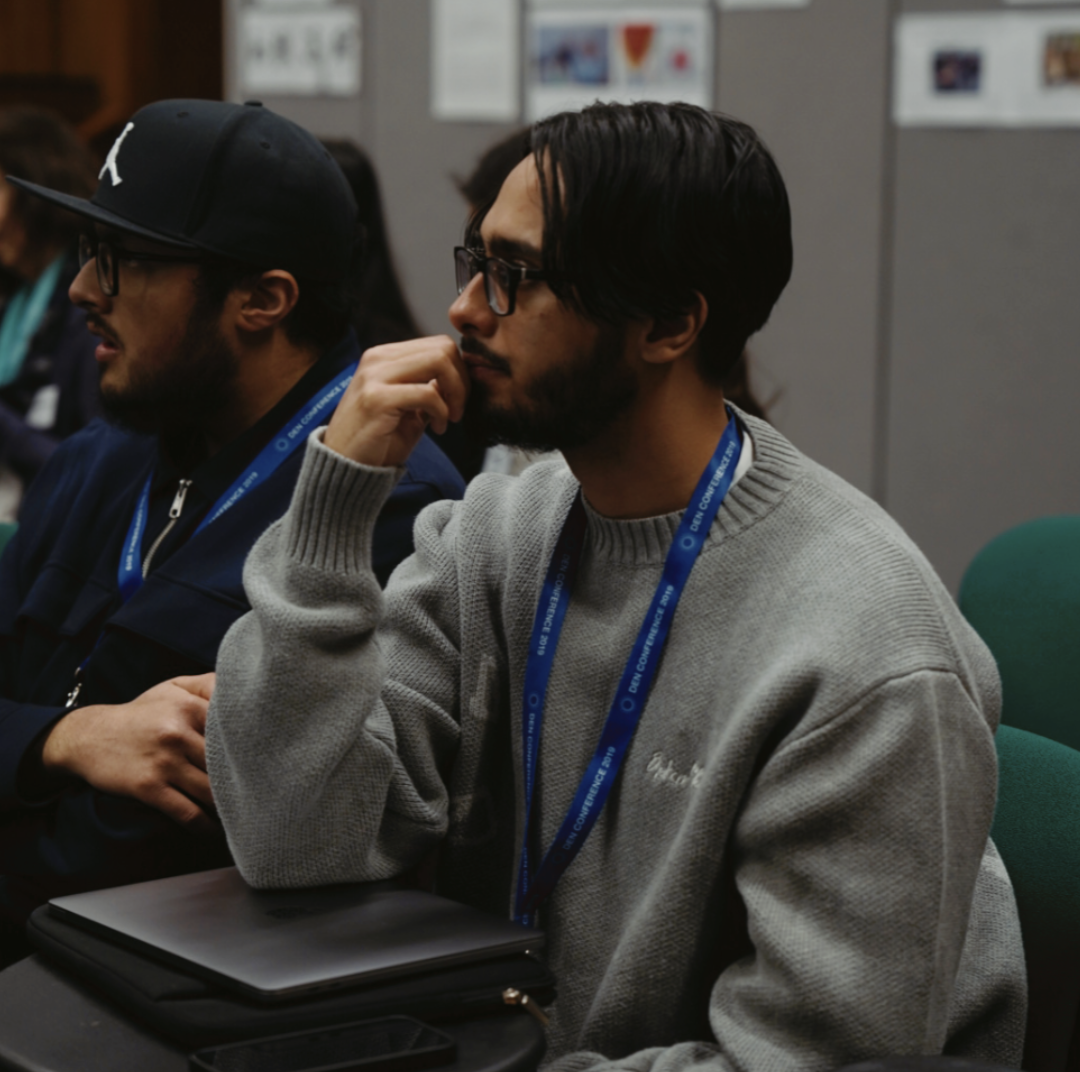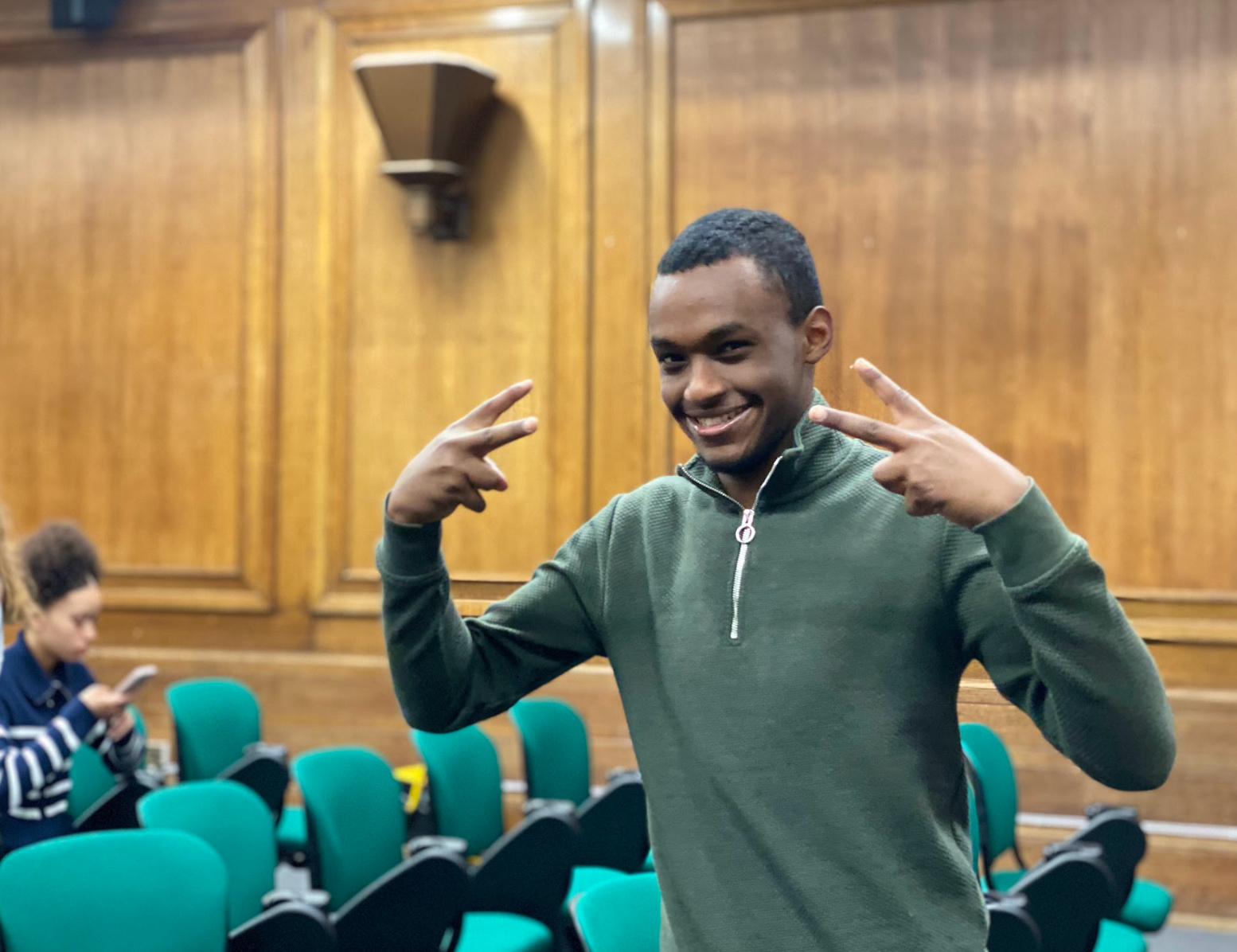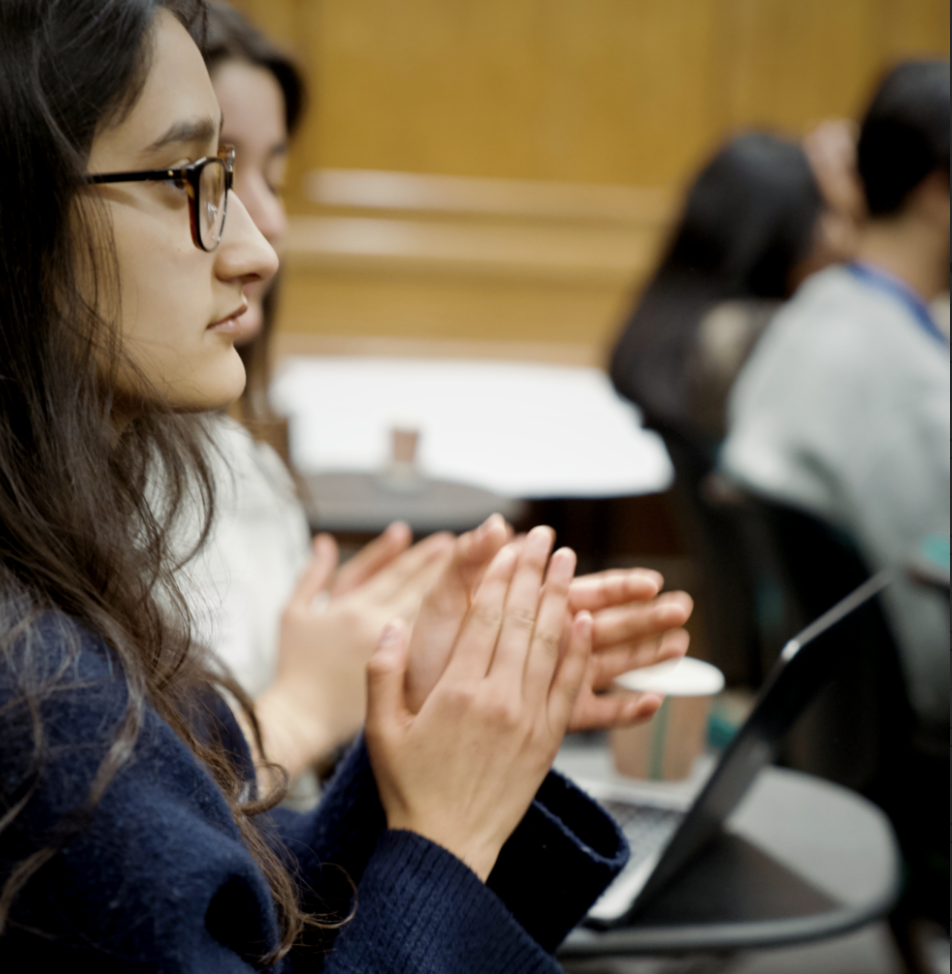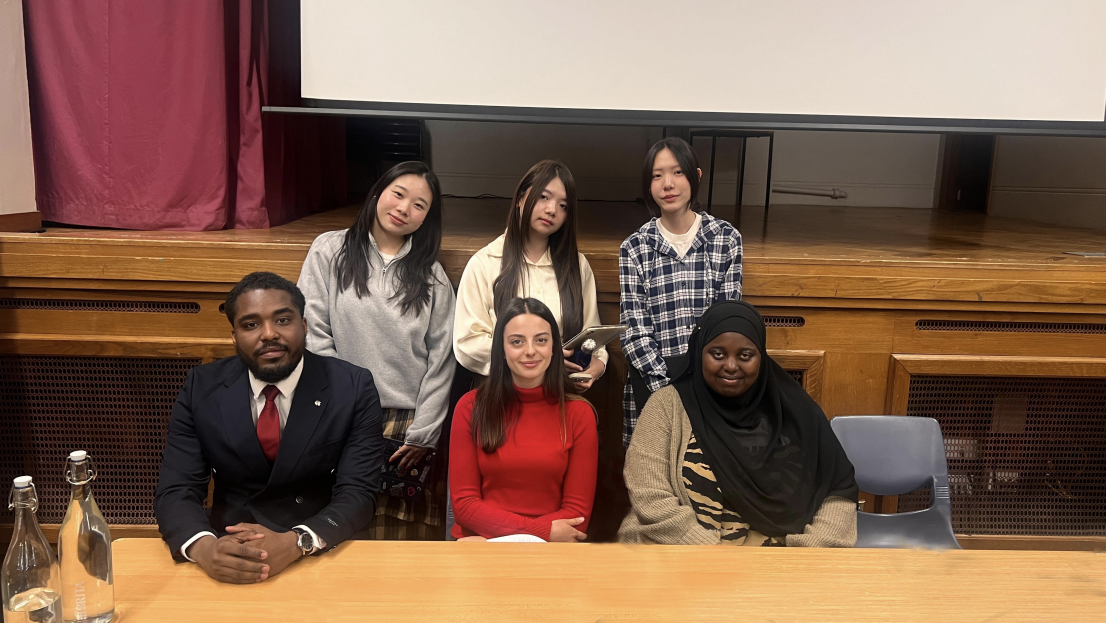
On 9 May, I had the privilege of taking part in a student-led academic conference in London, co-organised by the DEN, an extra-curricular initiative I proudly belong to. We welcomed international students from Thailand, Vietnam, and Uzbekistan, and created a space where young minds from diverse backgrounds came together to share their research, their questions, and sometimes, even fragments of themselves. Some of us presented formal papers that had been published in the seventh edition of the DEN book. Others offered something more intimate, reflections that blurred the lines between academic inquiry and personal narrative.
I was struck not only by the variety of themes, from sustainability to social inequality, but by the emotional depth and curiosity that coloured each presentation. It reminded me that research isn’t always about finding answers; sometimes, it’s about learning how to ask better questions.
One particular presentation resonated deeply with me. It explored the instability of identity when shaped by multiple cultural currents – Greek, Persian, Russian, Turkish – and how the self can feel suspended in a liminal space between nations, languages, and traditions. While I won’t delve into the details, I left that
session with a subtle ache, the kind that comes from recognising a truth you hadn’t quite named before.
I’ve been reflecting since then on my own experience of identity, especially after moving from Italy to
London. Strangely, my connection to my roots has only grown stronger. I find comfort in the small things: an Italian bakery tucked into a corner of a London street, the familiar cadence of my mother tongue overheard on the Tube, the smell of coffee that reminds me of home. These moments don’t make me nostalgic but ground me. They remind me that I belong somewhere, even if I no longer live there.
And yet, I also belong here. My life now is shaped by people who come from places I’ve never been, who
share stories I would have never imagined, who invite me to consider how identity is never fixed, it is
layered, shifting, and deeply personal. I no longer see identity as a singular label, but as something that
expands with each new experience, each encounter, each dish I try or conversation I have.
For a long time, I thought having a strong sense of identity meant having a clear, unshakable connection to a place or culture. But now I see it differently. There’s strength in flexibility, in not needing to choose just one version of yourself. There’s a kind of beauty in the “in-between” spaces.
The conference itself was a powerful reminder of this: seeing so many students approach research from
vastly different angles, with such passion and empathy, made me realise how much diversity enriches
academic exploration. It wasn’t just about the topics of the researches but rather about the perspectives, the human stories behind the data, and how these shape the way we understand the world.
If identity is, as I now believe, something we choose to build each day through what we consume, who we surround ourselves with, what we value, then perhaps it’s less about where we come from and more about where we’re willing to go. And maybe, just maybe, the most meaningful identities are not inherited but crafted quietly, intentionally, in the moments when we feel most uncertain, most curious, and most human.
Lucrezia Zito