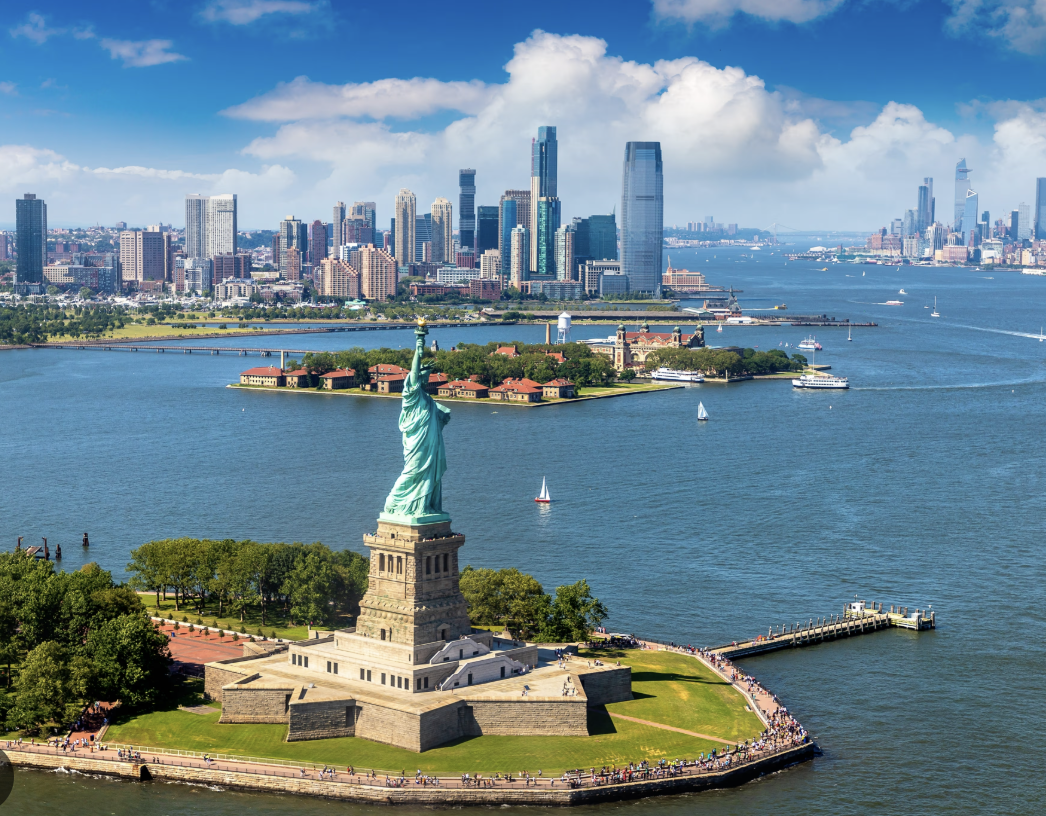
The global metropolis of New York exists because of its profound historical background and its active cultural life and ongoing development. It stands at the heart of international diplomacy, finance, and the arts. New York exists as a literary concept in books and news for numerous people, including me. The city allows people to discover its hidden elements while they traverse areas where history meets power and human achievement. The journey presents visitors with the opportunity to experience buildings representing the city’s multifaceted history. The United Nations Headquarters stands alongside Downtown Manhattan and Central Park as key landmarks representing global cooperation, the city’s financial core, and an essential green oasis.
Lower Manhattan, which serves as Downtown Manhattan, represents the oldest historical area of New York City and its most symbolic region. The Dutch West India Company founded the settlement of New Amsterdam when it was established in the area during the early 1600s. The area was also vital for British military control during the American Revolutionary War. The downtown area has since transformed into the leading financial and governmental hub of the United States after undergoing various phases of transformation and showing enduring strength. Our visit will include key landmarks such as Wall Street, the World Trade Centre, and the New York Stock Exchange – sites that reveal the city’s rapid growth during the 19th and 20th centuries. Stone Street, one of New York’s first paved roads, connects the city’s Dutch colonial heritage with its historical street design, which remains visible in the current architectural features of the area.
The visit grants visitors access to the United Nations Headquarters, which is in the Turtle Bay neighbourhood of Manhattan. The UN complex, which was finished in 1952, represents more than just architectural buildings, it symbolises the international alliances that emerged after World War II. The headquarters of the United Nations houses four main buildings, including the General Assembly Hall, Security Council Chamber, Secretariat Building and Dag Hammarskjöld Library. The complex operates as an international territory even though it is physically located in New York, while providing space for diplomatic activities, peace talks, and worldwide dialogue. The public tours at the UN provide guests with a comprehensive view of the organisation’s core objectives and its efforts to tackle worldwide problems. Alongside this, exhibitions and displays enable visitors to experience the institution’s architectural design and its aspirational values for justice, peace, and international solidarity.
The journey will take us through both urban and cultural aspects of New York City, which are equally fascinating. I am excited to explore through Central Park, which opened its gates to the public in 1858, providing much-needed relief from the city’s towering skyscrapers. This urban park attracts worldwide visitors who find peace through its lake systems, trails, and green areas. Beyond its boundaries, New York displays its cultural richness through two institutions: the Metropolitan Museum of Art and the Museum of Modern Art (Moma), which have protected and displays human creativity throughout the centuries. Broadway, located near Times Square, represents the highest point of American theatre and performance art, which draws spectators from every corner of the world.
New York ranks among the highest for linguistic and cultural diversity worldwide. The neighbourhoods of Chinatown, Little Italy, and Harlem highlight the diverse history of immigration while demonstrating the ongoing cultural growth of the area. Each community maintains its identity by expressing cultural heritage through food traditions, musical expressions, spoken languages, and communal bonds that serve as active historical records within the city structure.
The city of New York represents a place where global diplomacy at the United Nations meets revolutionary changes in Downtown Manhattan. The city’s historic landmarks and cultural institutions demonstrate its deep historical roots while constantly adapting to present-day requirements. The exploration reveals New York as a dynamic learning environment which leads us towards understanding and questioning. Most importantly it enables us to develop new perspectives in our globalised world.
Anjali Pandya