
By Anaiya Tyson-Cox
Growing up in the British school system, I often found it difficult to see history as something that directly affected me. History could feel distant, disconnected from my own experiences and identity. It was often through media, particularly music and film, that I found a more personal connection to the past. For me, that connection began with my family.
My family is part of the Windrush generation, and Caribbean culture has shaped their lives in Britain. On my mum’s side, my grandfather was part of a reggae band, and through him and the wider family, Caribbean music and culture became a constant presence in my upbringing. I grew up surrounded by reggae, by family conversations, and by stories of life in the Caribbean. Before I could fully understand the political significance of this history, I was already living its music, traditions and sense of community.
As I grew older, I began to understand more of the ideas behind the culture I had inherited. Both my parents lived their teenage years and early adulthood during a period shaped by Pan-Africanism and Black social-realist cinema. Malcolm X and Marcus Garvey became important points of reference as I developed my own political consciousness. Their emphasis on Black pride and self-determination helped me think about what it meant to be Black in Britain. What had first been passed down to me through family, music and conversation became something I could engage with intellectually, allowing me to understand my identity not simply as a personal experience, but as part of a wider history of resistance and cultural expression.
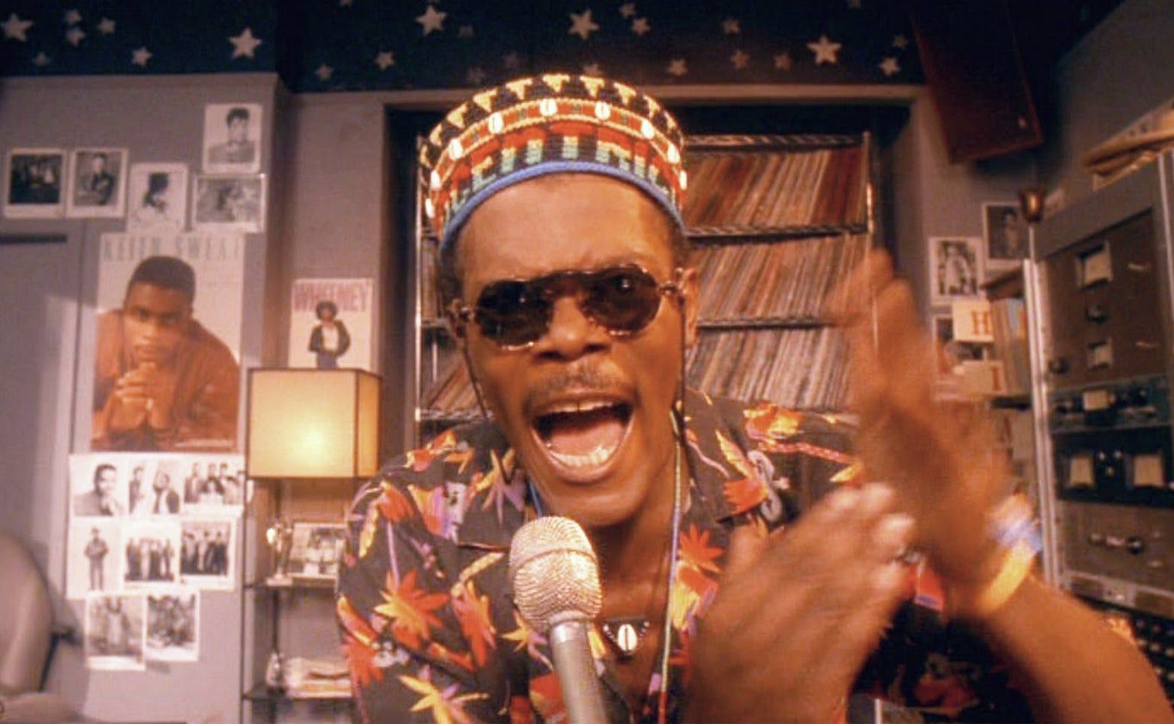
When I began exploring Black media for myself, I found that the ideas I had grown up around existed far beyond my family, connecting me to a broader cultural and political history. Spike Lee’s Do the Right Thing brought many of these influences together. The Pan-African colours and symbols worn by the characters, the references to influential Black musicians, and the film’s closing quotations from Malcolm X and Martin Luther King Jr all connected cultural expression with political struggle. The film reflected the relationship between music, identity and resistance that I had encountered growing up, and allowed me to recognise these influences not as isolated parts of my upbringing, but as elements of a shared Black cultural experience.
Looking back, I realise that my education did not come solely from traditional institutions. My family educated me through music, film, conversation, and the ideas they passed down across generations. Through these forms of informal education, I developed a stronger understanding of my history and, ultimately, a greater sense of pride in myself. Black identity is inseparable from a colonial past and generations of violence, but it cannot be defined by suffering alone. It is also shaped by joy, love and connection: the enjoyment of music, the ability to share it with others, and the communities it creates. It is love that allows me to embrace my own identity, and to help others understand why that love matters.


Nice vlog very will written.