Interview with Lee Kennedy
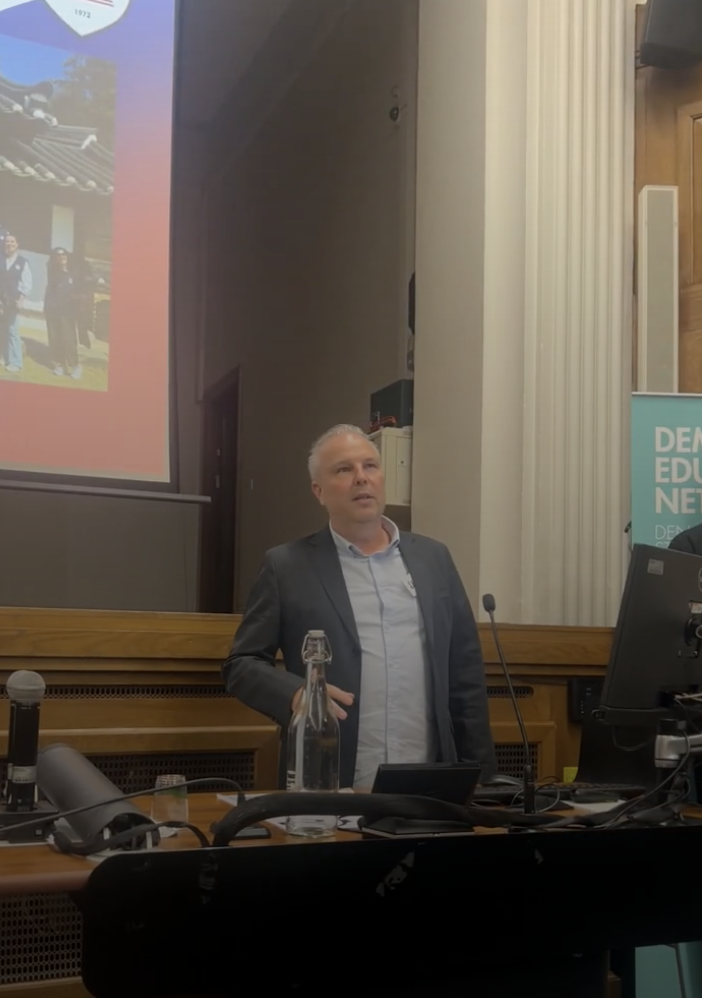
The special feature presents Lee Kennedy, who works as a lecturer at Capital City College Group in North London, to discuss his teaching and community engagement efforts that positively affect young people. Lee participates in a local initiative which guides students through academic obstacles before helping them find internships and employment opportunities. His professional experience demonstrates how universities and colleges can use grassroots partnerships to fight social inequalities while creating opportunities for their students.
The interview is part of DEN’s ongoing effort to highlight teachers, lecturers and community leaders who promote inclusive education. The discussion explores Lee’s career development, professional achievements, and the importance of partnerships in creating an equitable educational environment for students.
Can you briefly introduce yourself, including your professional background and how you came to join this college?
My professional journey began in the public sector, where I worked in employee relations and internal communications, overseeing large-scale logistical and operational transitions at a local Post Office in London. It was during this time, while working full-time, that I made the decision to pursue higher education. I enrolled for a Higher National Certificate course at a local community college, which eventually led to a Higher National Diploma in Computing and Business Studies. Balancing work and study taught me resilience and discipline, and it laid a strong foundation in teaching and community work.
With a growing passion for business and leadership, I transitioned into entrepreneurship, opening and running my own retail business in the community. This experience deepened my understanding of business operations, customer engagement, and youth employment, especially how meaningful work can transform lives.
Motivated by my lecturers who dedicated their careers to shaping young minds, I chose to pursue a career in education. I undertook a part-time teacher training course, specialising in teaching 16–19-year-olds. In 2004, I joined City and Islington College in North London with a mission: to bring real-world insights into the classroom and help students bridge the gap between education and employment. Over the past 20 years, I’ve taught, mentored, and walked alongside students, always with a focus on empowerment, employability, and unlocking their potential.
My connection with the Democratic Education Network (DEN) developed naturally due to our shared belief in inclusive, student-led, and community-focused education. I have witnessed Farhang’s work with students, and he has played a crucial role in helping me enhance my educational and teaching skills. He has also mentored me for many years, making collaboration with DEN a seamless process.
My students have partnered with DEN on cross-cultural projects, global presentations, and academic events that celebrate diversity and creativity. This collaboration continues to grow because it reflects our values: giving students a voice, providing a global perspective, and equipping them with the tools to thrive in a rapidly changing world. It’s a partnership rooted in purpose, and I am deeply proud of it.
Could you tell us about the community project you’re involved in—its name, purpose, and how you became part of it?
One of the key projects I am involved in, which also includes DEN, is the Pledge One Thing campaign. This initiative is a partnership with Islington Council, the ACED Project, and charities such as Jigsaw GC and Local Village Network. The aim of the campaign is to secure tangible opportunities, such as jobs, mentoring, or skills training, for care-experienced young people and those from disadvantaged backgrounds
I have observed how many capable students miss out on opportunities due to insufficient support beyond the classroom. This initiative aims to create a bridge between education and opportunity. My primary focus has been on mentoring 16 to 19-year-old students from diverse backgrounds. In addition to classroom engagement, I have participated in mentoring sessions and collaborative projects with organisations such as Arsenal in the Community, Barratt Homes, and Paragon DCX.
How do you collaborate with other staff, organisations, or employers through this project?
Teaching, Mentorship, and Collaboration facilitate regular breakfast club meetings with our partners, training events, and mentorship connections between students and our partners. I also co-create real-world project briefs with employers to ensure student assignments mirror industry demands.
It’s a challenge, but the two roles are complementary. I integrate project work into the curriculum wherever possible. For example, coursework often involves tackling real business problems presented by our partners.
Empathy, consistency, and belief. Many of our students have never had someone believe in them. If we can provide stability, encouragement, and real opportunity, they begin to believe in themselves.
What are some of the most pressing challenges the young people you work with are currently facing?
Many face financial hardship, housing insecurity, or a lack of guidance at home. Some are care-experienced or living independently. Navigating education while dealing with these issues is incredibly difficult.
Karim, one of my former students, serves as an excellent example of growth and potential. He had a strong passion for swimming but lacked direction. After recognising his abilities, I connected him with Better Gym, and he has now become a qualified swim instructor. His transformation, both professionally and personally, has been remarkable.
Frank also stands out. A former student, he actively participated in college initiatives, developing both personally and professionally. I was able to support him in securing an interview with Alan Day Motor Group, where he now works full-time. His success story illustrates how meaningful opportunities and mentorship can redirect a young person’s life and unlock their potential.
In your view, what role should further education colleges play in supporting local communities? How might universities, student groups like DEN, or other institutions collaborate with or support your initiative?
Further Education colleges should be anchors of community transformation. Beyond academics, they should act as launchpads for careers, hubs for local partnerships, and safe spaces for personal development.
More sustainable funding for mentorship and employability programmes, expanded access to mental health support, and closer integration between local councils and colleges would all help.
By co-creating projects with universities, such as our involvement with DEN, and providing mentorship while expanding their networks for our students, we ensure that young people are not isolated by geographic or background barriers through cross-institutional partnerships.
Every student has potential. Our job is to create the conditions for them to realise it. When industry, education, and community come together, we can change lives. The stories in our annual report aren’t exceptions, they’re what happens when we believe in and invest in our youth.
How might universities, student groups like DEN, or other institutions collaborate with or support your initiative?
Universities, student groups like DEN, and other institutions can collaborate with or support my initiative in several key ways. Firstly, universities can contribute by co-creating real-world projects that address industry demands, providing students with tangible opportunities to work on live briefs that will prepare them for the workforce. They can also offer mentorship through their networks, helping students gain access to professional advice and industry-specific insights.
Student groups like DEN can play a crucial role by facilitating discussions, providing networking opportunities, and offering mentorship. They can assist students in navigating the process of entering higher education, including help with application forms and writing personal statements. Additionally, this support can benefit university students by enhancing their communication skills.
Capital City College (CCC) students engage with DEN’s conference as part of their journey towards global awareness, leadership, and community engagement. Through DEN’s conferences, students gain exposure to a variety of perspectives, knowledge-sharing opportunities, and new skills in public speaking, networking, and professional development. They can showcase their work, connect with industry leaders, and learn from experts in fields that they might not have encountered otherwise. This exercise allows students to grow in confidence, improve their communication skills, and enhance their career prospects. It also deepens their understanding of social issues and strengthens their sense of responsibility toward their communities.
My involvement with DEN supports the community project in several ways. DEN offers a platform for students to tackle real-world challenges and collaborate on projects that foster inclusivity and community development. By partnering with DEN, we can enhance the impact of our initiatives and give students access to a network of professionals, employers, and organisations.
My students have consistently expressed their gratitude for the support they receive from the University of Westminster. This appreciation is evident in the heartfelt blogs they write for DEN’s online magazine, which serves as a powerful platform for sharing their voices, experiences, and reflections. The partnership between our institutions extends beyond mere collaboration; it symbolises our joint commitment to empowering young people while promoting diverse perspectives and community transformation. Our shared purpose and vision enable us to connect education with community, inspiring others to follow our example.