
In some families, the inheritance isn’t money… It’s a knife. A baton of survival, passed silently from one generation to [ … ]
Category: DEN
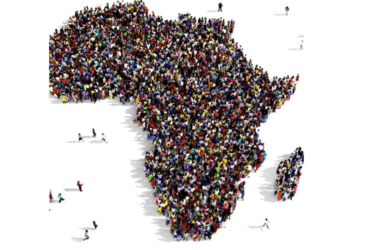
Home in the Diaspora: Memory, Identity, and Belonging
To belong to a place you never lived in is a strange inheritance. For many diasporic Africans, “home” is more [ … ]

AI and the Irregular Architecture of Digital Participation: Who Speaks, Who Decides, Who Benefits?
In this digital age, questions of who speaks, who decides, and who benefits have become central to understanding how [ … ]
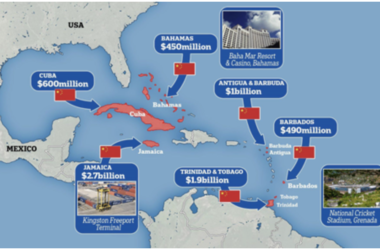
The Caribbean’s Unfinished Liberation
The history of the Caribbean is rooted in the lives of its Indigenous peoples, such as the Kalinago and Taíno [ … ]

Digital Activism in the Age of AI
Public spaces are needed for democratic participation; bringing individuals together to gather, speak, and demand change. Places such as town [ … ]
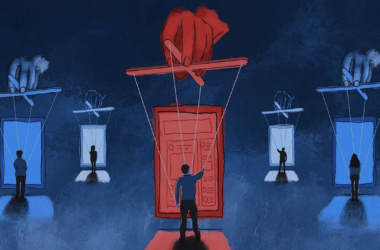
Digital Platforms and Democracy
Traditionally, when you think of a public space you may imagine streets, city squares, parks, or university campuses. Public spaces [ … ]

The Eyes in the Square: Croydon’s Lesson on Trust, Technology, and Freedom
Where people once gathered freely to speak, debate, and protest, a new kind of listener has arrived — one that [ … ]

Discipline or Oppression?
For decades, female students entering government secondary schools in Ghana have been required to cut their hair short. This policy, [ … ]
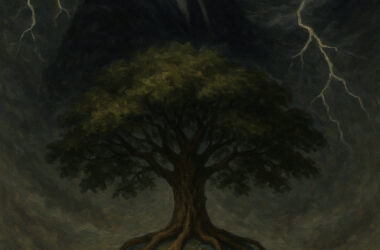
When the Storm Comes: Roots, Resilience & Democracy
When a powerful storm strikes a great tree, its branches may tremble and shake violently, its leaves may fall to [ … ]

At What Cost? Efficiency, AI, and the Human Rights in Digital Public Spaces
A while ago, I wanted to purchase a skincare product. Somebody highlighted on social media that this product would help [ … ]
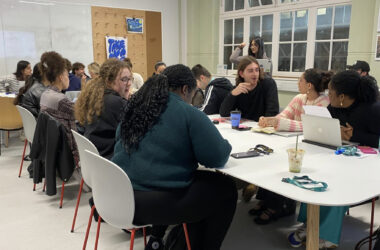
Where the streets meet the screen: Rethinking public space in the Age of AI
There was a time when public space meant something tangible: the city square, the park, the crowded streets filled with [ … ]
Is hunger a political choice? We think so.
The United Kingdom is the sixth richest country in the world, and yet, we still have 14 million people who [ … ]