New York is a major symbol of culture, history and international cooperation, making it an
incredibly insightful destination for a field trip. Originally home to the Lenape people, the area
once known as Lenapehoking was a land of thriving trade networks and deep environmental
connection. Following the Dutch colonisation of Lenapehoking, it was renamed as New
Amsterdam in 1624. In 1664, New Amsterdam was seized from the Dutch by the British who
named it New York. New York was then shaped into a busy colonial port, being the very
epicentre of trade. Throughout the 19th century, waves of European immigrants, most notably
from Ireland, Italy and Poland, arrived through Ellis Island, home to the most prevalent
immigration processing centre at its time. The influx of new cultures enriched the city’s cultural
tapestry, and fuelled rapid expansion. The first navigable waterway, The Erie Canal connected
New York to the American interior through this expansion, significantly reducing transport costs,
cementing its status as an economic powerhouse. The skyline dramatically rose during the
Industrial Revolution, marked by landmarks like the Brooklyn Bridge and the Statue of Liberty, a
symbol of innovation and freedom. In the 20th Century, New York became a stage for pivotal
movements such as the Harlem Renaissance and the LGBTQ+ rights activism ignited by the
Stonewall riots. Despite facing tragedies like the Great Depression, the 9/11 attacks, and
Hurricane Sandy, New York has consistently demonstrated extraordinary resilience, rebuilding
itself each time stronger and more diverse.
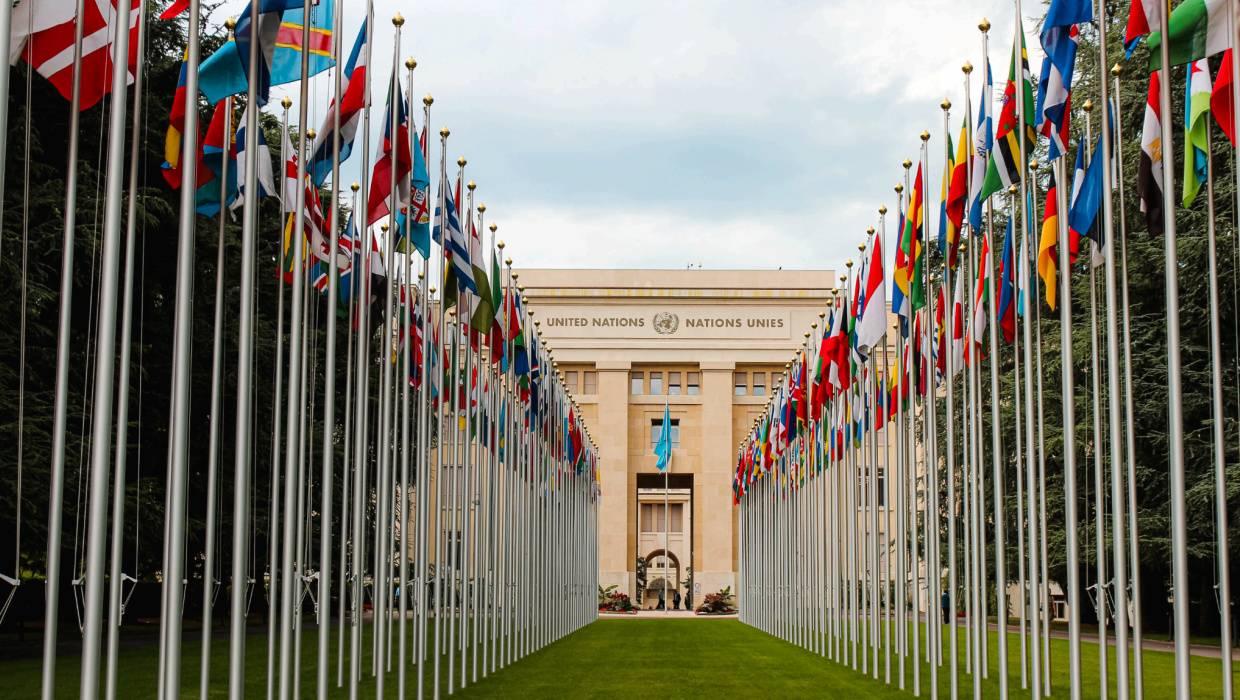
A central highlight of our trip will be the visit to the United Nations Headquarters. A beacon of
global diplomacy, the UN was founded in 1945, following the brutal aftermath of World War 2.
Located on Manhattan’s East river, the UN Headquarters were established, symbolising the
emerging role of the United States as a major post war leader. It is an international territory that
transcends national boundaries and serves 193 member states, providing a platform for
addressing issues of peace, human rights, development, and security. The complex houses
iconic spaces like the General Assembly Hall, where global resolutions are debated; the
Security Council Chamber, where international peace and security measures are determined;
and the Secretariat, the UN’s administrative engine. At the UN, students will witness diplomacy
firsthand, attend briefings, observe multilateral negotiations, and gain insights into how
international consensus is built amidst complex global tensions. Through its humanitarian
missions, sustainable development programmes and work on human rights advocacy, the UN
represents the highest aspirations of collective human governance and serves as a reminder of
the necessity for international cooperation.
New York’s cultural environment mirrors its global significance. With its towering digital
billboards, Times Square embodies the city’s role as a communication epicenter, while Wall
Street represents the centre of global finance. In historic places like Stone Street and Fraunces
Tavern, visitors can walk through remnants of the colonial era, while modern Battery Park City
highlights innovation in sustainable urban design. We, as students, will engage with how history,
commerce and creativity intertwine across Manhattan’s diverse neighborhoods, from the
bohemian vibrancy of the West Village, to the storied activism around Washington Square. The
interdisciplinary nature of this trip encourages critical engagement. Political science students will
be able to absorb and analyse diplomatic structures, whilst being able to observe major
decisions being made in real life; media students will witness how narratives are constructed
and framed, allowing for critique; and psychology students will be able to study cross
disciplinary understanding and skill development.
Ultimately, this field trip is not just about visiting a different country, but stepping into a vibrant
and living history, understanding how global systems operate and seeing the
interconnectedness of the world unfold. Experiencing New York and the United Nations will
challenge us to broaden our worldviews and preconceived notions intellectually.
Suheyla Coskun