

As part of our Alumni Voices series, we sat down with Mistee Barrett, who recently completed her BA in Politics and International Relations at the University of Westminster. This marks the second interview in our series with former students, highlighting the journeys of those who have shaped the Democratic Education Network (DEN) through their leadership, insight, and lived experience.
Mistee’s journey is both inspiring and deeply human. A first-generation university student from a small market town in the southwest of England, she arrived in London ready to embrace a new chapter—but also navigating chronic health conditions that shaped her day-to-day life. What followed was a powerful transformation. Through her involvement with DEN, Mistee found not only a supportive academic community but also her voice.
Over three years, she contributed to international student collaborations, co-edited DEN publications, and travelled to Thailand with the university’s global engagement module—experiences that fundamentally shaped her academic and personal outlook. Below, Mistee shares her reflections on education, identity, global citizenship, and what it means to belong.
Can you tell us a little about your educational background before joining the University of Westminster?
I come from a small market town in the southwest countryside, and I always knew I wanted to move to the city. In fact, I only applied to universities in London. I’m the first in my family to attend university, and I’ve always been focused on my education, even when the area of study changed.
Would you like to share any challenges you faced during your studies and how you managed them?
I live with two chronic health conditions—a connective tissue disorder and a heart condition—which dramatically shape how I live. I was nervous about living solo in a big city, but I surprised myself by coping, even thriving. I couldn’t participate in a semester abroad, but I didn’t let my health stop me from joining the Thailand trip with the university. The support from the disability team and professors, especially Farhang, made a huge difference. They ensured I could access the same opportunities as everyone else.
How did you come to choose Westminster? Was there a particular goal or course that drew you here?
I settled on politics and international relations and was determined to study in London. Westminster stood out during an open day—it was clearly student-focused, centrally located, and aligned with my goals.
How would you describe your academic and personal growth from Year 1 to Year 3?
Initially, I was quite reserved and focused on academics. That changed in my second year when I joined DEN. It encouraged me to become more involved in the university’s community. Through DEN and the Global Diplomacy Initiative, I gained exposure to international dialogue, collaborative projects, and publishing. By Year 3, I was presenting at conferences and co-editing publications.
What were the key turning points or experiences that shaped your journey?
The trip to Bangkok with DEN was a defining moment. Engaging with students and faculty at Kasetsart University gave me a new perspective on global politics. Experiencing a completely different culture expanded my understanding of diplomacy and international relations. It was also a fun personal test—I survived a 16-hour flight next to a screaming baby!
What part of your Westminster experience was most meaningful to you?
Building meaningful relationships with students and professors alike. Knowing that professors like Farhang and Bridget believed in me boosted my confidence. As well as that support system helped me grow both personally and academically. It showed me that I could leave home, build a new life in London, and thrive while studying and working.
What are you most proud of achieving at university?
Graduating despite my health challenges is a huge personal accomplishment. I’m proud of how I pushed through discomfort and fear. I know my future self will thank me.
How did you first get involved with DEN, and what kept you engaged?
I first met Farhang in my first-year development module, and by the second year, I joined his international engagement module, which included the Thailand trip. Friends and Farhang encouraged me to attend DEN meetings, and I quickly saw how valuable it was. I went on to participate in the DEN Conference, collaborate internationally, and contribute to the DEN book.
What impact has DEN had on your university experience?
DEN changed everything. It gave me a supportive academic and professional community and helped me develop my skills in public speaking, presenting, and global collaboration. It made my university experience richer, more meaningful, and more connected.
What did you take away from the international experience in Thailand?
That trip was a privilege. From the food and culture to the academic exchange and political learning, every moment was eye-opening. It helped inform my academic work and gave me a deeper appreciation of diverse political systems and cultures.
How did you stay focused during challenging times?
Balance is key. You must live outside your coursework—explore London, go to a football match, visit a cat café. That balance kept me grounded.
What advice would you give to students facing challenges?
Use every resource available. Join communities like DEN, talk to the university’s support teams, and explore funding options. You’re not alone. I made use of mental health services, disability support, and bursaries—they were game changers.
What are your hopes and plans after graduation?
My goal is to work in civil service—ideally in diplomacy, intelligence, or security. But first, I’m considering a gap year to travel or work abroad. I’m also passionate about gender equality, so I may explore that path too.
Tell us one fun fact about yourself.
I’m a die-hard football fan—Swindon Town and Arsenal Women. I even have a tattoo to commemorate the Lionesses winning the Euros. I’ve also worked at Wembley Stadium during my studies for events such as the Champions League final, which was an incredible experience. And I used this passion and experience to investigate the niche crossover of women’s football and politics for my dissertation.
Would you like to add anything else?
Just a heartfelt thank you to Farhang for always believing in me, even when I doubted myself. His support has meant the world.
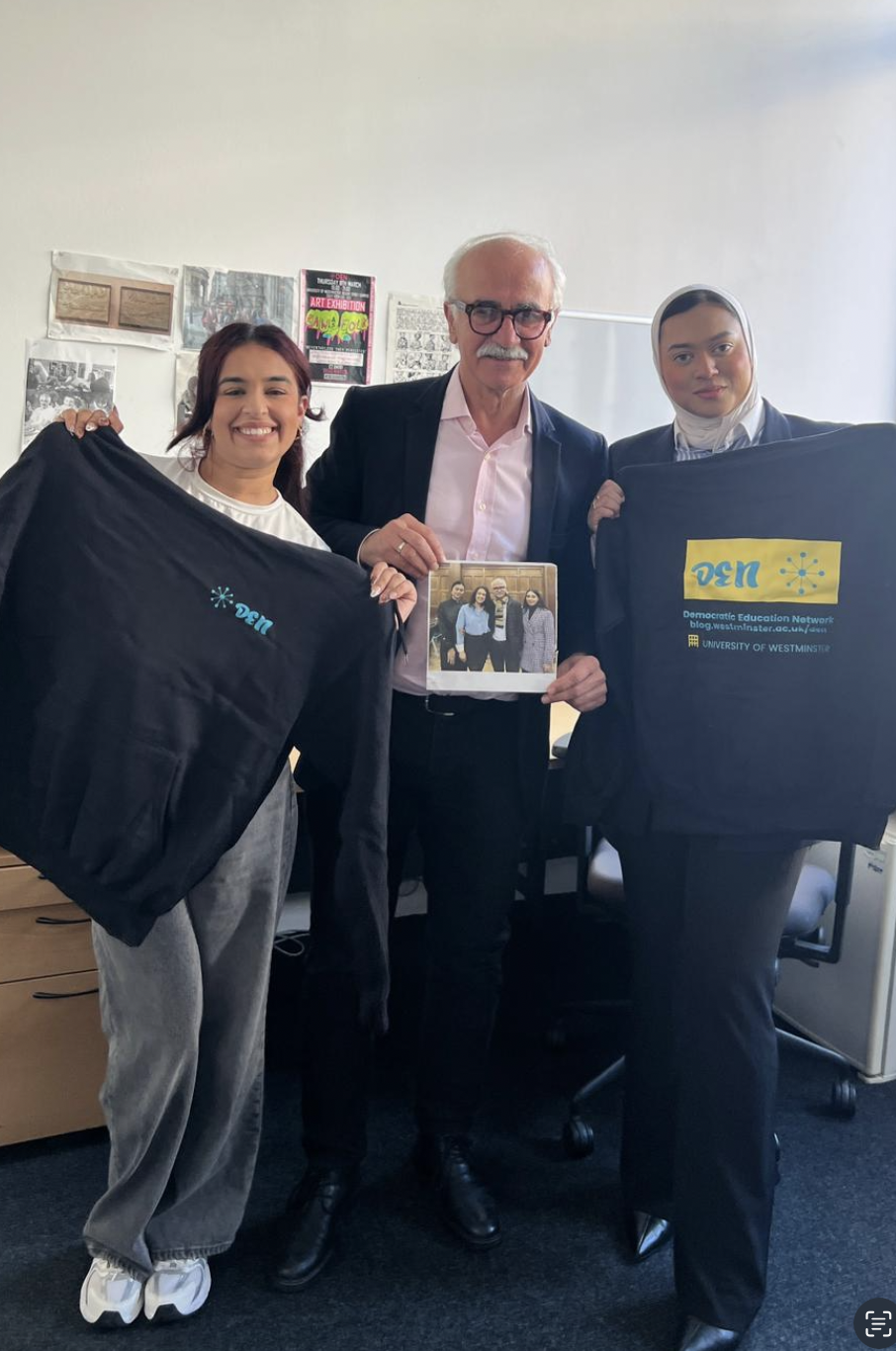
Congratulations to Mistee on completing her degree and for being such a valued voice within DEN. We’re excited to see what the future holds for you.


Không hiểu sao win688 lại cuốn vậy luôn á tưởng quay cho vui ai ngờ tiền về lẹ hơn bồ nhắn tin 🤣