

A BA International Relations student on discovering DEN in induction week, weekly meetings that feel like family, and the editorial credit that has since opened doors
Huray, BA International Relations, University of Westminster, London, United Kingdom
Part of the Inside Westminster anniversary series marking ten years of the Democratic Education Network.
* * *
How did you first come into contact with DEN?
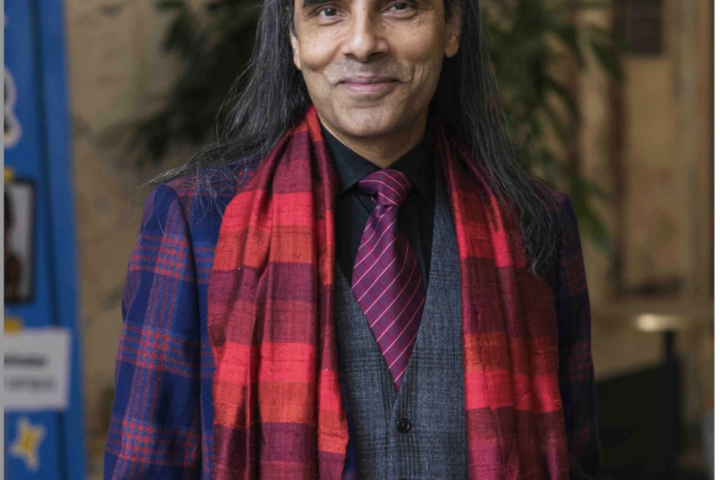
I first heard about DEN during the induction week of my first semester of university. Dr Farhang gave a presentation to new students explaining the purpose of DEN and the steps to get involved.
Which DEN activities have you taken part in?
Weekly DEN meetings. Peer-reviewing other students’ blogs. Writing my own. Editing an article.
Was there a moment at DEN that has stayed with you?
What has stayed with me most is the consistent feeling that DEN is a family. From the very first meeting I attended, I felt genuinely welcomed, rather than just another new member being onboarded. That sense of “you’re always welcome here” has never changed, whether I have been consistently active or gone a while without attending. There is no judgment, just an open door. It is a small thing, but it has made DEN feel less like an extracurricular activity and more like a community I belong to.
What aspects of DEN have had the biggest impact on you?
Being trusted to edit and write academic-style articles has probably had the biggest impact. Working alongside other authors, giving and receiving editorial feedback, and seeing my writing published to a professional standard gave me confidence in my academic voice early on in my degree.
How has DEN helped you develop personally?
DEN pushed me to take academic writing seriously outside of coursework. Editing other students’ work taught me to be more precise and constructive with feedback, and being edited myself taught me to take criticism well. It also gave me a real sense of belonging within the university community.
Has DEN helped you with employability or professional development?
Yes. The editing and writing experience at DEN has directly fed into other roles I have taken on since, including editing content and managing communications for various NGOs, as well as writing professionally for social media pages. Having “Editor and Writer” experience on my CV, backed by real published output, has also been a talking point in interviews.
What is one thing DEN has given you that you would have struggled to find elsewhere?
Real editorial experience and a genuine publishing credit, this early in my degree. Most first-years do not get the chance to work on published, professional-standard writing outside of their coursework.
What advice would you give to students thinking of joining?
Just come to a meeting. I found out about DEN during induction week and almost did not follow up on it. It turned out to be one of the most rewarding things I have done at university.
What would you say to a colleague at another university?
It is rare to find a network that treats students as genuine contributors and collaborators, rather than just as students. If your university has anything like it, get involved.
Should DEN do anything differently in the next decade?
DEN’s work deserves a wider audience. Many students at Westminster do not hear about it until someone tells them directly. That is how I found out, during induction week. It would be great to see DEN promoted more consistently throughout the year, so that more students get the chance to discover it and get involved.
* * *
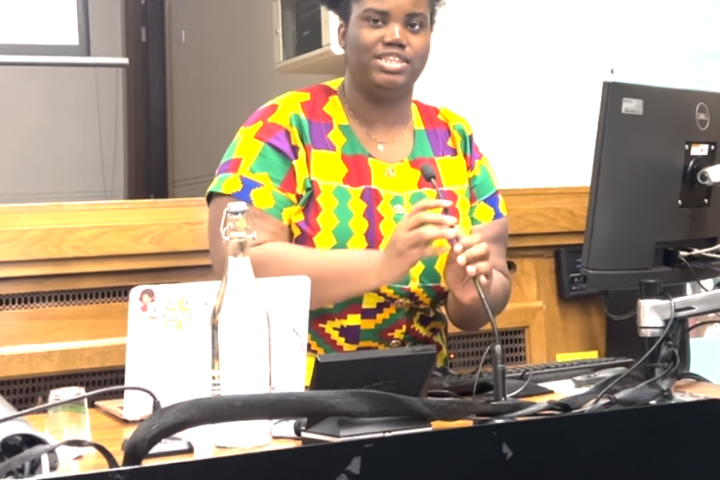
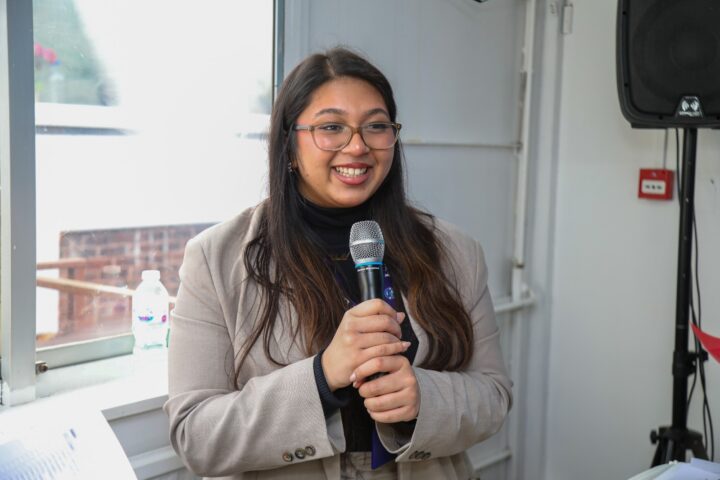
Photo caption: “Less an extracurricular activity. More a community I belong to.”

The requirement for those weekly sessions to be mandatory seems too high for some students. My personal experience showed that attendance is often flexible.