From the first DEN meetings in a Westminster Basement to Humanitarian delegate at the Red Cross
Jordi Cortés Espasa, University of Westminster, Class of 2017; now Humanitarian and International Delegate at the International Federation of Red Cross and Red Crescent Societies (IFRC); Spain
Part of the Inside Westminster anniversary series marking ten years of the Democratic Education Network.
* * *
How did you first come into contact with DEN?
I started my undergraduate in 2014, when DEN was not around yet. When it started, we used to gather in a basement at the university, and the meetings were beautifully messy. It was a sort of assembly, with people sitting everywhere, in small groups, jumping from one conversation to the next. It was very fun.
There was a great will and enthusiasm from students and professors to create something meaningful and student-led. Farhang and Dibyesh were the driving force behind it, and the main reason I joined, alongside being able to propose initiatives, discuss ideas, meet other international students and take the lead in my own student life. DEN represented all of that. An opportunity to be part of something bigger. An opportunity to go beyond simply receiving a university diploma.
Which DEN activities have you taken part in?
I took part in multiple opportunities, including two international trips, to Türkiye and Uzbekistan, to engage with likeminded students who were also in international relations and development studies. These trips were meaningful opportunities to exchange views and knowledge with students living in different cultural, political and social contexts, facing different challenges.
I also published my undergraduate dissertation in the first ever DEN publication, The End of Global?, and presented the results of my dissertation research at the first ever DEN international conference. All of this was nerve-wracking and very exciting at the same time. Farhang and Dibyesh knew how to push students in the right way, so they would take those opportunities.
Was there a moment at DEN that has stayed with you?
I recall a blog post we needed to write in preparation for the trip to Uzbekistan. It had to be a short piece describing why it was important for me to participate in that exchange, and I wrote about human rights in the country under Islam Karimov’s leadership. Issues such as women’s freedom, LGBTQIA+ rights, and social participation.
Farhang was honest with me. He told me that it was controversial, that it might compromise my entry to the country if there was some sort of check or filter, but that nevertheless it represented the truth, and I should keep it. We would deal with the situation if it arose. For me that was revolutionary. It gave me so much confidence to speak up about things I considered important, knowing I had the backing of my professor.
What aspects of DEN have had the biggest impact on you?
Mainly the spirit that anything is possible. The why not? principle. The curiosity element. Also, that being surrounded by all kinds of ideas and opinions was crucial to keep growing, because we tend to surround ourselves with people who have the same views as us.
Stepping outside of our comfort zone, making mistakes, learning from them, leaving the nest, discovering different horizons. It sounds very abstract, but all of this was very present in day-to-day conversations and interactions with DEN staff and students.
How has DEN helped you develop personally?
It taught me to think critically, to challenge assumptions, to go beyond a written explanation or an established narrative. It taught me to get out of my comfort zone. I remember I wanted to study my postgraduate at Westminster too, and Dibyesh told me to do it at another university, to experience different teaching methods. DEN helped me source the confidence I had in me, but that I needed to discover.
Has DEN helped you with employability or professional development?
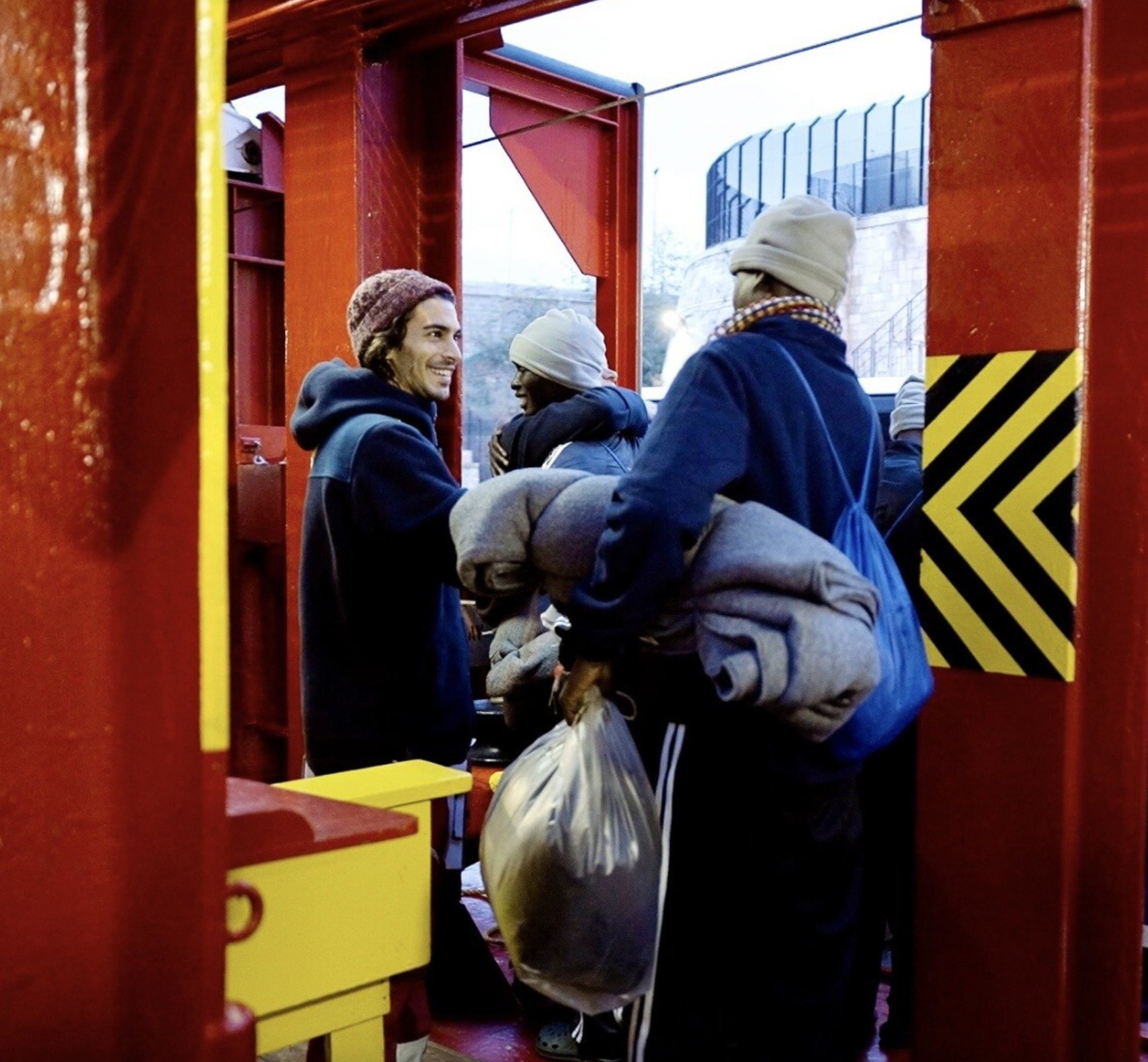
DEN was a fantastic platform to put into practice different employability skills: organising a conference, public speaking, academic and creative writing. Thanks to those skills, I got into an internship at the Spanish Embassy in London while still in my final undergraduate year. It also helped me shape my interest in the humanitarian sector and pursue a career as a humanitarian and international delegate.
What is one thing DEN has given you that you would have struggled to find elsewhere?
A safe space. A safe space to be me, to make mistakes, to find my voice, to grow. It was a home away from home.
I did take Dibyesh’s advice and went to study my postgraduate at a G5 university, thinking the prestige would help me find better opportunities, but I found the experience very impersonal. I was just a number. My professors were much more interested in getting their research published than in having conversations with me about the reasons behind the growing numbers of femicide in Mexico, which was the topic of my dissertation.
What advice would you give to students thinking of joining?
Do it. Sign up, see what it is all about, get involved. Everyone has skills they can contribute to DEN, and there is so much to receive in return. It really is a win.
What would you say to a colleague at another university?
It is a great platform to network, to learn, to apply practical skills. I would tell them to replicate the DEN model and link up.
Should DEN do anything differently in the next decade?
DEN has experienced amazing growth since it started ten years ago, and it is wonderful to see the trajectory from the outside. Perhaps it could involve alumni more actively in the regular work, to explore opportunities for collaboration and mentorship. Also, using the platform to keep advocating, and to translate academic knowledge into real and concrete initiatives that advance rights in society.
* * *