A recount and review of going to hear Cuban MPs speak
By Remington Keckler
I have always found myself an avid learner. I always wanted to know how things tick, what made cars go, but my biggest — and most frequently asked question was why. Much to my parents’ annoyance, I would ask it over and over once I learned to talk. I wouldn’t be surprised if my first words included “why,” but I’m sure they didn’t mind too much; I suppose “why” is better than just “ok” from an educator’s perspective.
This natural inquisitiveness has led me to want to understand all perspectives on a variety of issues, and more importantly, in my line of work: politics. My search for knowledge may have got me into trouble because of the extreme polarisation, but I hold this trait sacred; every single one of my beliefs is rooted in or built on it.
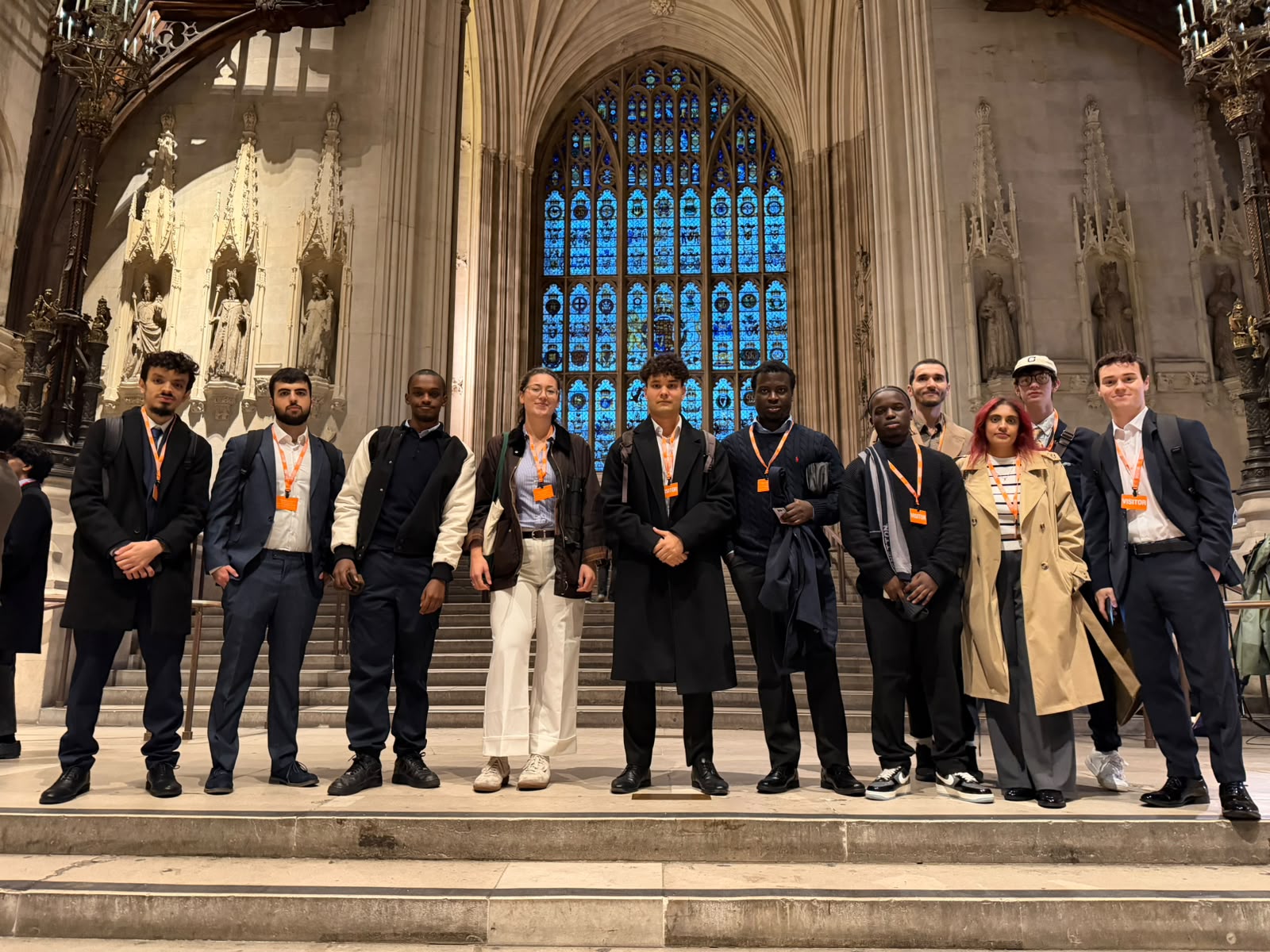
That is why I took the opportunity to visit the UK Parliament and listen to Cuban members of parliament tell their stories and ask for aid. I was intrigued to hear their perspective, and I would be lying if I said the chance to be in Parliament wasn’t exciting enough on its own. I knew that, coming from the States, most of my knowledge of the Cuban state was, at best, distorted through a thick glass of American exceptionalism, and, at worst, downright propaganda, so naturally I expected some discomfort, given the history between our two countries.
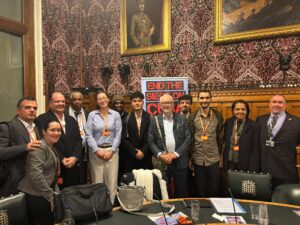
What I was in for was much more than discomfort; it was something else. As the Cuban MPs talked and answered questions, I felt their pain. Not in the sense that I understood the words of the translator, or that I have spectacular empathy, but rather in the tone they spoke in. It was familiar to me, from my time living in southern Houston, only a day’s drive from the border with Mexico. It was the same way my Hispanic friends spoke when Donald Trump was elected, and when the ICE raids intensified, and when an innocent father died at the hands of those same power-hungry thugs who were deputised and encouraged by the current Commander in Chief, in my own neck of the woods. It was the same tone my girlfriend at the time had when she stressed about the uncertain future of her and her mother. It was the same tone I had when I told her everything was going to be okay, knowing damn well I couldn’t guarantee that. I felt dirty; I felt as if I was lying to her, betraying her trust. But it was what I had to do, just as the Cuban MPs had to tell their plight to the people of the UK. I knew that tone. I lived that tone. I understood that tone.
It only cut deeper to know that my country caused all the misfortune, the country I love so dearly. I’ve always considered myself a Mark Twain patriot: love your country, and sometimes your government. I haven’t shied away from my criticisms of the United States before, out of love, but this meeting really put that love to the test.
I said the misfortune was caused by my country, but that’s wrong. “Misfortune” is too polite; it’s too laced with apologism. What is happening in Cuba is nothing short of an unneeded and forced tragedy. One of the MPs said Cuba has been to war with America before and is ready to do it again if there should be boots on the ground. But I would argue that a war is already underway. The blockade is an act of war. The people are being starved, the infrastructure is failing, and every report from unbiased sources makes Cuba resemble the aftermath of a war-torn country. It is a war in every sense except boots on the ground and bullets being fired. It is an unclaimed war.
SHAME! Shame is the word that echoed in my mind. Shame in my country and government for waging this unclaimed war, and shame in myself for not knowing. This was the first time I had come to this conclusion. I wanted nothing more than to melt into my seat and disappear. As we took photos, I failed to smile. As the room shouted “Viva Cuba,” I kept quiet.
Oh, what a coward I was! Even I, who am so often in opposition to the ruling party at home, and who had just learned the awful things done by my country’s hands, remained quiet and loyal. I couldn’t even face the Cuban MPs, out of fear my accent would insult them. I was one of the first out of the room, because I couldn’t face my own shame.
Yet, on reflection, I came to a revelation: we, my countrymen and the Cubans, are all Americans. This isn’t a threat from my head of state, but simply a fact. We share the same continent; we are both the products of colonialism and revolution; but most importantly, we are both human. The conditions of poverty and oppression know no borders and have no understanding of nationalism. We face the same enemy: the powerful extracting what they can and leaving us for dead, or worse. The conditions the Cubans face now are shared with some parts of my homeland, though not to the same extent.
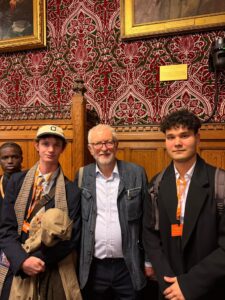
I still stand with my country, and I will continue to fight for a rising standard of living for every citizen. But every victory we win must be taken from those who abused their abundant power and wealth, or it will eventually fail if it is built on the backs of the oppressed. My people will never be truly free until we recognise this unclaimed war and build solidarity with the people of Cuba.