The Logic of Masculinist Protection: Reflections on the Current Security State

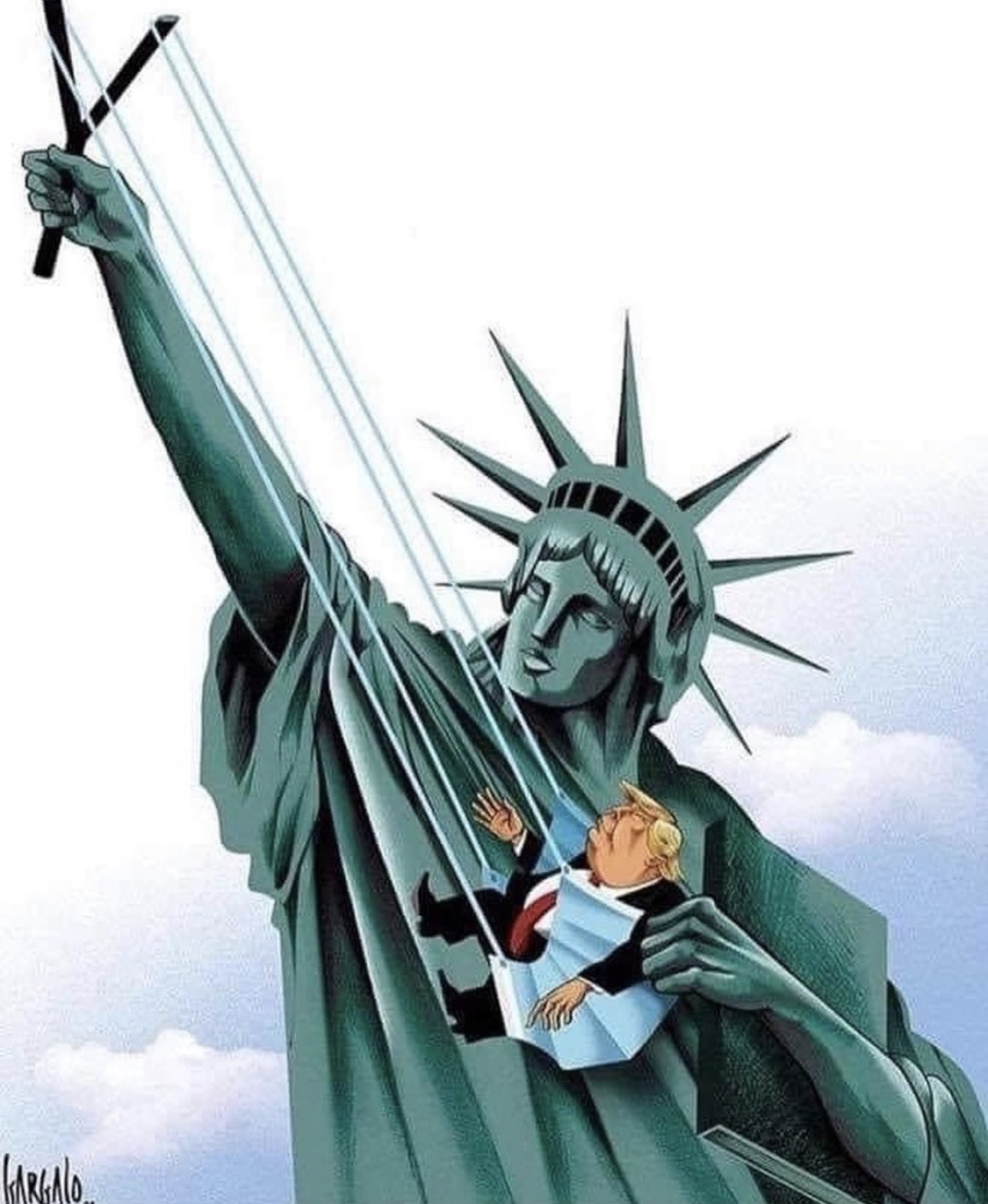
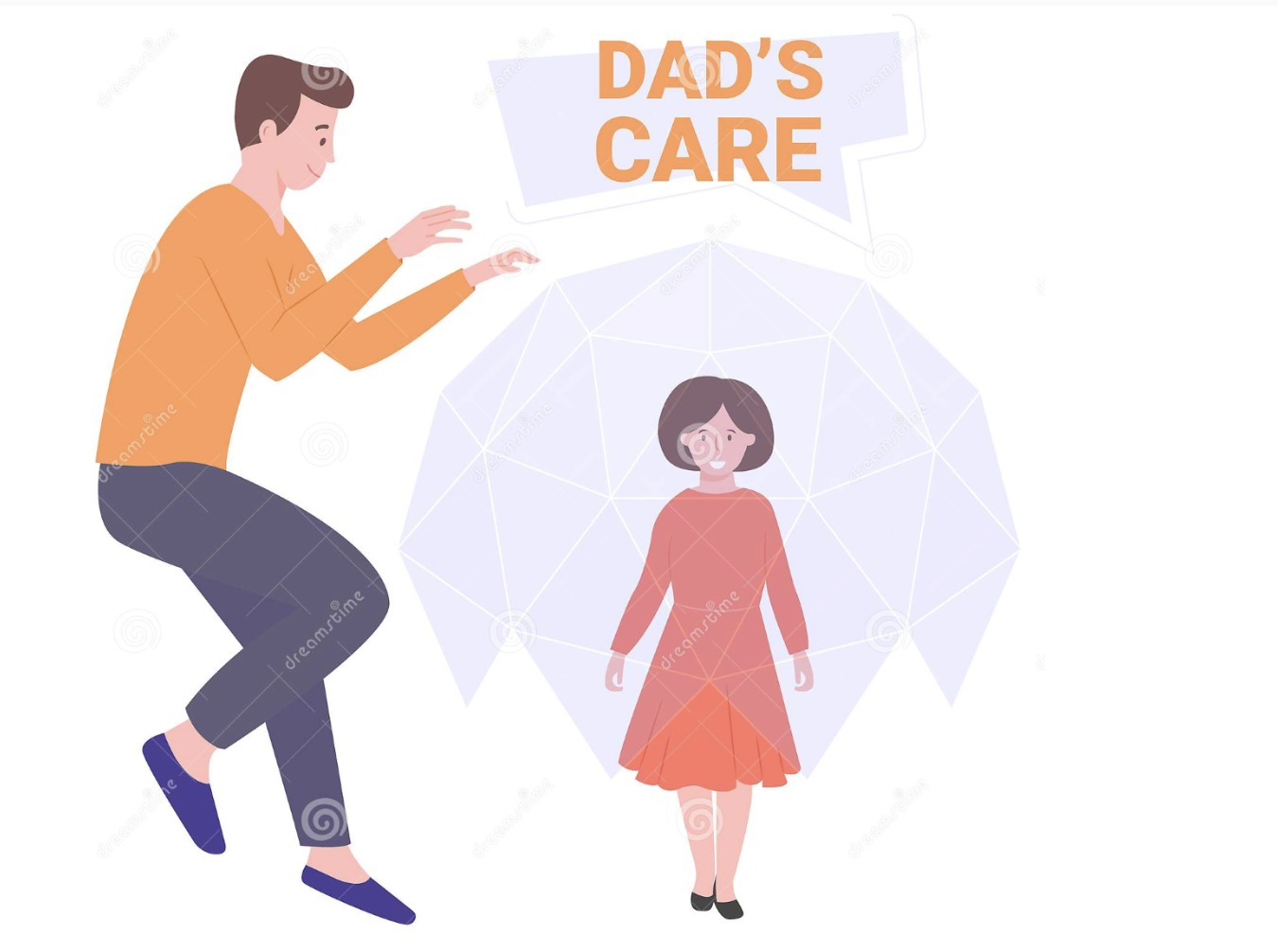
Gender and violence have been the subject of many discussions amongst academic feminist scholars in the Western world. Young’s article (2003) reflects on the events of September 11, 2001, and the subsequent ‘war on terror’ in Afghanistan in October 2001, with a justification for liberating Afghan women from the ruthless Taliban. That was, however, only...
Politics of Energy in the Gulf Countries

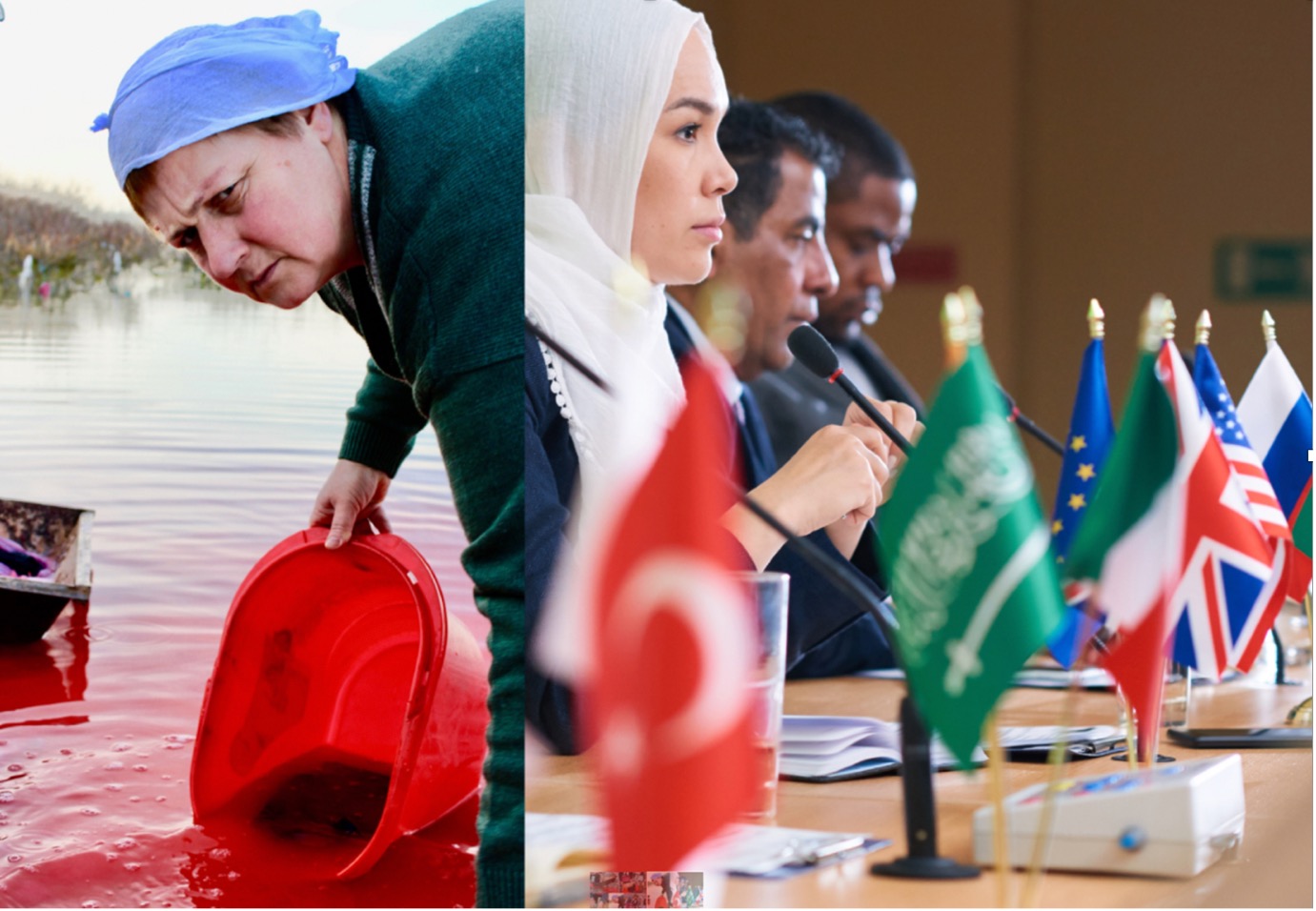
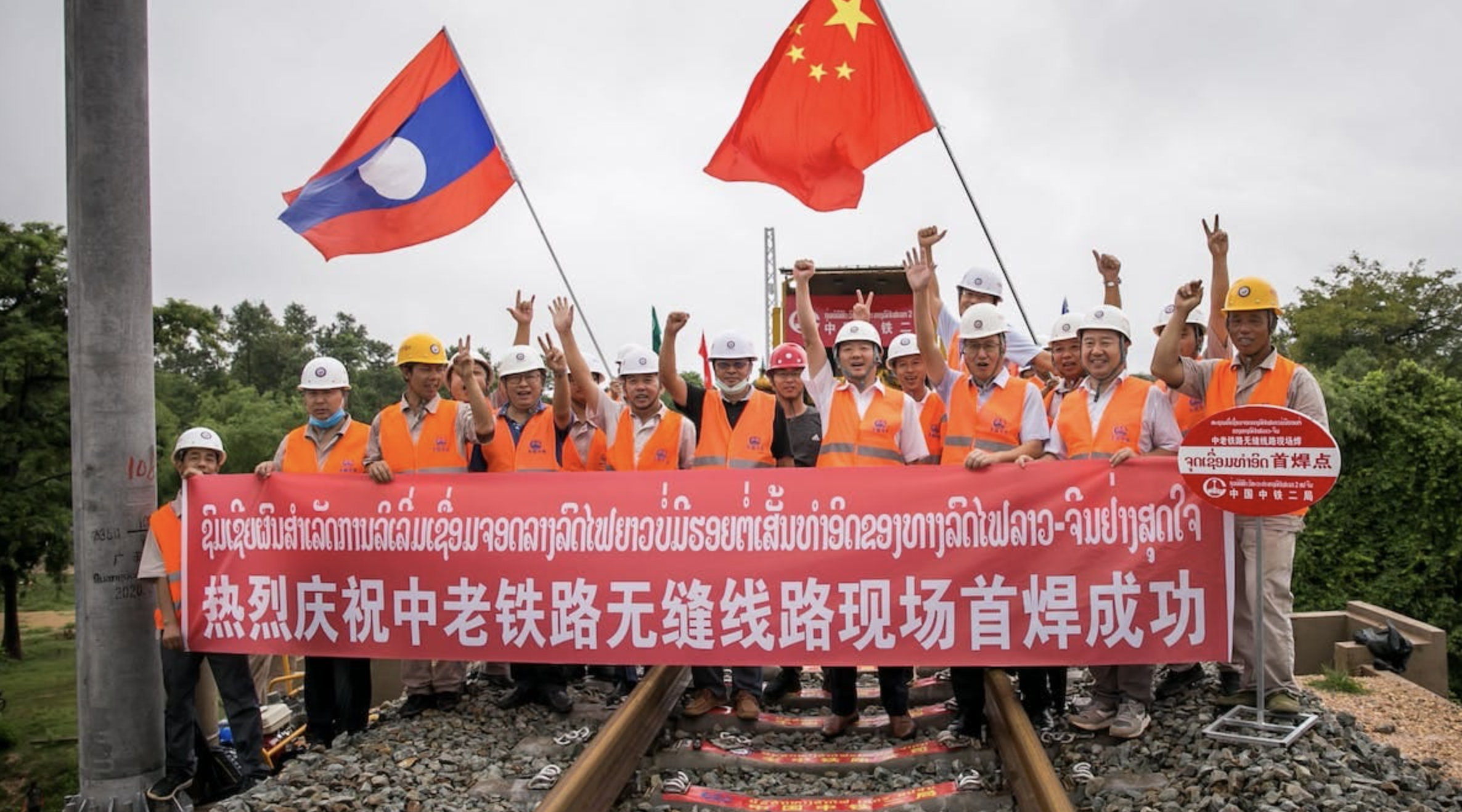
Previous Western interference and misconceptions surrounding the Middle East are associated with problems and implications. The West has notably portrayed the Middle East as inhibiting violence, poverty, barbarism, oil sheikhs and acts of terror closely correlated with their culture, geopolitical standing and religion. These depictions dramatically increased after the 9/11 attacks, the Islamic State of...

“How We Want to Learn!” Radical Student Voices from the Academy in a Crises World CALL FOR ABSTRACTS FOR EDITED VOLUME

Are you a student or a recently graduated student who is or was frustrated with your education? Do or did you feel disengaged? Unsatisfied with PowerPoint lectures and hungry for more community in your classes? Passionate about social movements on campus? Are or were you feeling anxious in the face of climate change and angry...

To what extent did the thousands of young Sudanese boys that fled their homeland between the Civil War Years (1983 and 2005) succeed in ‘finding safety’?

Between the years 1983 and 2005 thousands of Sudanese boys (an estimated 20 000) fled their homeland in search of safety. Approximately 4000 boys were sent to America for education, and may have found security, however, the majority of the 20 000 lost boys who left Sudan during the war years did not find permanent...

Political, Economic and Social Factors That Make East Germans Feel Like Second-Class Citizens

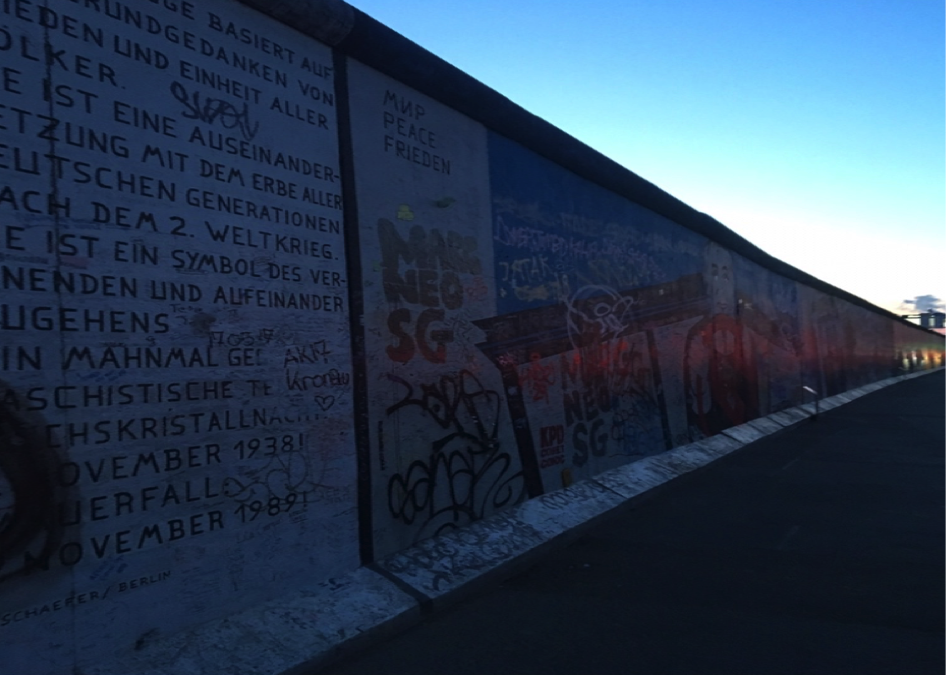
Since the fall of the Berlin Wall in 1989 and the reunification of Germany in 1990, it almost seems as though Germany unified geographically rather than politically, socially and economically. This was a product of a hasty reunification process by Helmut Kohl. The upheavals experienced by the east are felt almost 30 years after reunification...

Scroll to top