A Politics graduate on emotional barriers, Palestinian rights, and finding a community that meets across identities
Faysal Hussein, BA Politics, University of Westminster; MA International Politics, City, University of London; now based in Jordan
Part of the Inside Westminster anniversary series marking ten years of the Democratic Education Network.
* * *
How did you first come into contact with DEN?
I first came into contact with DEN during my first year, in a development studies class taught by Farhang Morady. I came to admire his caring demeanour, and his commitment to encouraging students to challenge ideas and engage in open discussion. I found myself becoming unusually active in his classes, and I felt that joining a network shaped by his influence would help me develop into a more engaged and confident version of myself.
Which DEN activities have you taken part in?
DEN fostered a relaxed and welcoming environment that encouraged active participation. Some of the activities I took part in included the weekly meetings, where we reviewed ongoing work, discussed progress, and planned upcoming activities; the annual DEN conference, which celebrated the achievements of students who had engaged with the network and gave us an opportunity to reflect on our experiences; and the guest speaker events and social gatherings that helped students settle into university life while exposing us to a wide range of international perspectives and professional experiences.
Was there a moment at DEN that has stayed with you?
Many memorable moments stand out from my time at university, but one conversation with Farhang Morady during my second year has stayed with me more than any other. He spoke about the purpose of DEN by relating it to the emotional and intellectual barriers I had built around myself. He explained that becoming part of a community like DEN would not make me vulnerable. Rather, it would allow me to become a more well-rounded, intellectually curious, and culturally aware person, by learning alongside other ambitious young minds. It was a perspective that has remained with me ever since.
What aspects of DEN have had the biggest impact on you?
The people I met through DEN have had the greatest impact on me, and their influence remains with me to this day. Meeting individuals with different personalities, backgrounds and perspectives presented me with challenges, and with opportunities for growth that I might not otherwise have experienced. Those interactions broadened my outlook and played an important role in both my personal and my intellectual development.
How has DEN helped you develop personally?
Like many people my age, I struggled with a great deal of angst and self-doubt during my time at university. Through DEN, I gradually became more confident in sharing my work for peer review, and in expressing my opinions, even when I felt shy or uncertain. Over time, those experiences helped me become more self-assured and showed me the value of engaging openly with others.
Most importantly, DEN gave me a genuine sense of belonging that I knew I could rely on. That feeling continues to stay with me, through the friendships, the experiences, and the memories I gained during my time there.
Has DEN helped you with employability, career or professional development?
DEN supported my professional development in several meaningful ways. Farhang Morady kindly wrote a recommendation letter in support of my MA application, for which I remain deeply grateful. Beyond that, my time in DEN taught me the importance of seeking second opinions and of welcoming constructive peer review. Those habits became central to my academic work and have continued to shape the way I approach new challenges, always striving to present the highest standard of work possible.
What is one thing DEN has given you that you would have struggled to find elsewhere?
One thing DEN gave me that I believe would have been difficult to find elsewhere was a genuine space for meaningful intercultural dialogue. Although London is one of the world’s most multicultural cities, it is surprisingly rare to find environments where those different cultures are encouraged to engage with and learn from one another in a thoughtful way.
Through DEN, I was given the opportunity to speak about Palestinian rights and to share perspectives that some fellow students had not previously encountered or fully understood. Experiences like these reinforced my belief that open, respectful dialogue is one of the most valuable forms of education. It is something I will continue to carry with me.
What advice would you give to students thinking of joining?
Do not view DEN as another academic commitment or simply as a stepping stone towards your future career. See it as a university family, and embrace everything that comes with it. The friendships you build, the conversations you have, and the support you receive can leave a far greater and more lasting impression than you might expect. If you approach DEN with an open mind and a willingness to engage, it will give back far more than you put into it.
What would you say to a colleague at another university?
I would describe DEN as a true society. Not a religious society, or a national society, as is common at many universities, but a community that brings together people from a wide range of backgrounds under one shared purpose. Rather than celebrating a single identity, DEN creates opportunities for different cultures, experiences and perspectives to meet, challenge one another, and grow together. That ability to unite such a diverse group of people is what makes it so distinctive.
Should DEN do anything differently in the next decade?
If I could suggest one thing for the future, it would simply be more of DEN. More opportunities for students to engage, more conversations, and more chances for people from different backgrounds to come together. My experience with DEN was overwhelmingly positive, and I believe its values and approach deserve to reach as many students as possible over the next decade.
* * *
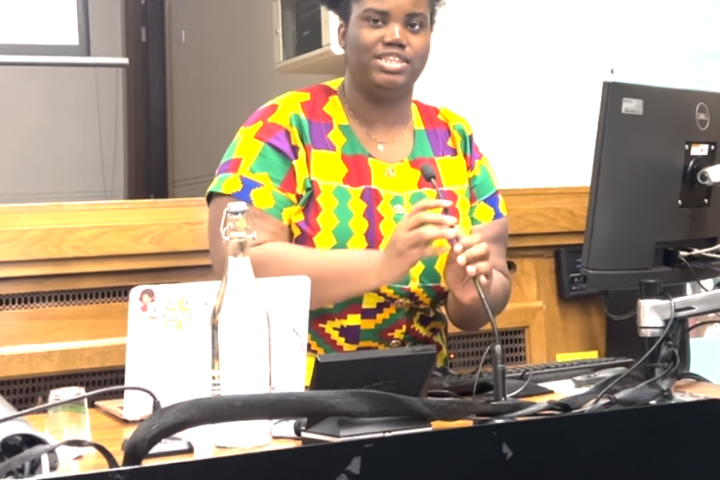
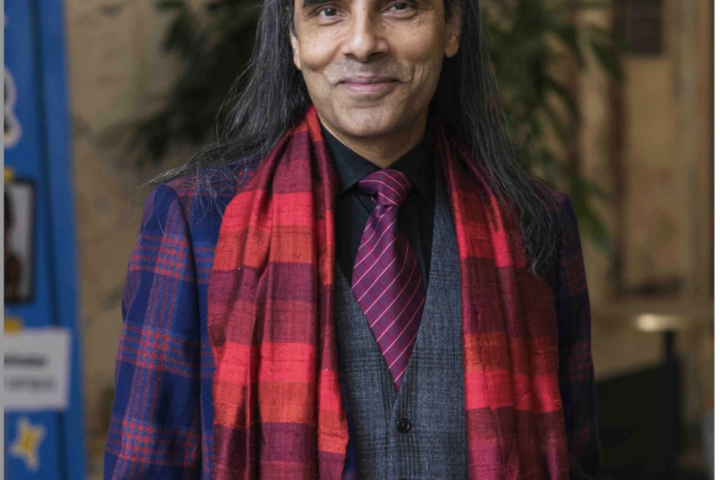
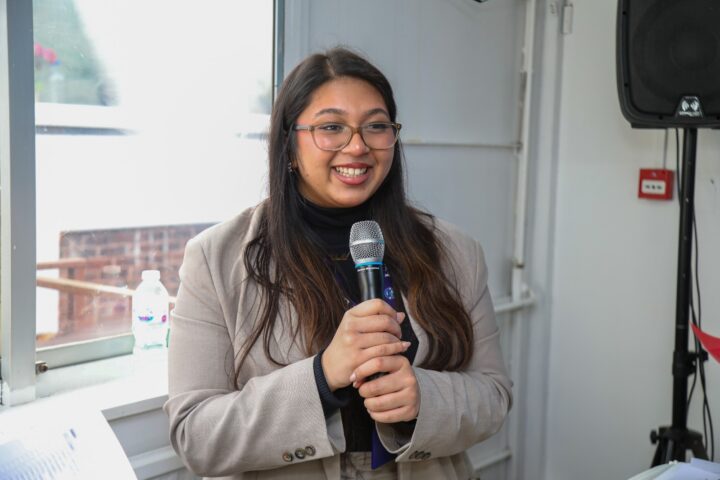
Photo caption: Reflections on a journey with DEN, from a Politics graduate now based in Jordan.