An academic partner since 2009: Türkiye, ICOPEC, and the long view on DEN
Prof. Dr. İsmail Şiriner, Professor of Economics, Department of Economics, Faculty of Economics and Administrative Sciences, Batman University, Türkiye
Part of the Inside Westminster anniversary series marking ten years of the Democratic Education Network.
* * *
How did you first come into contact with DEN?
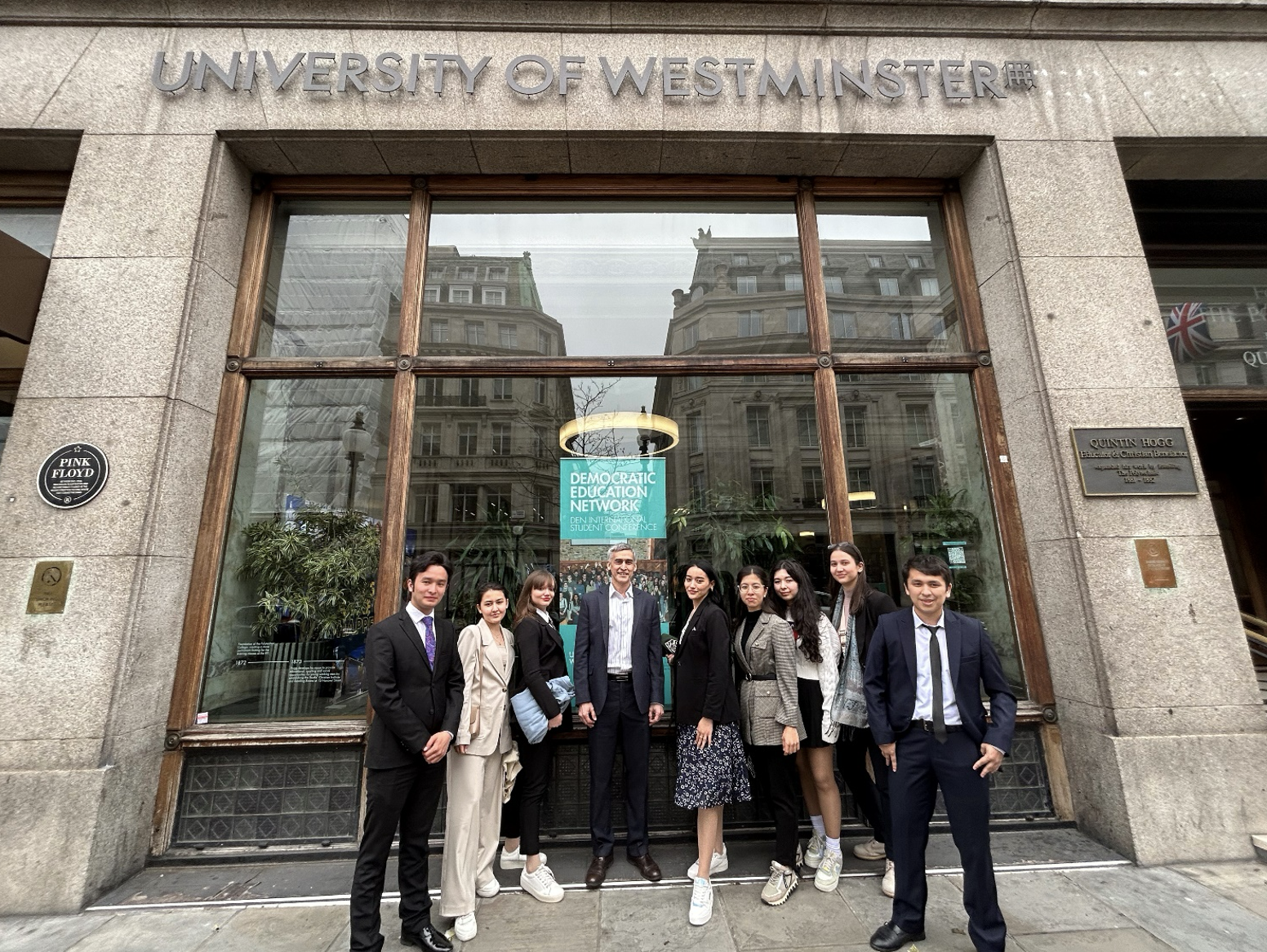
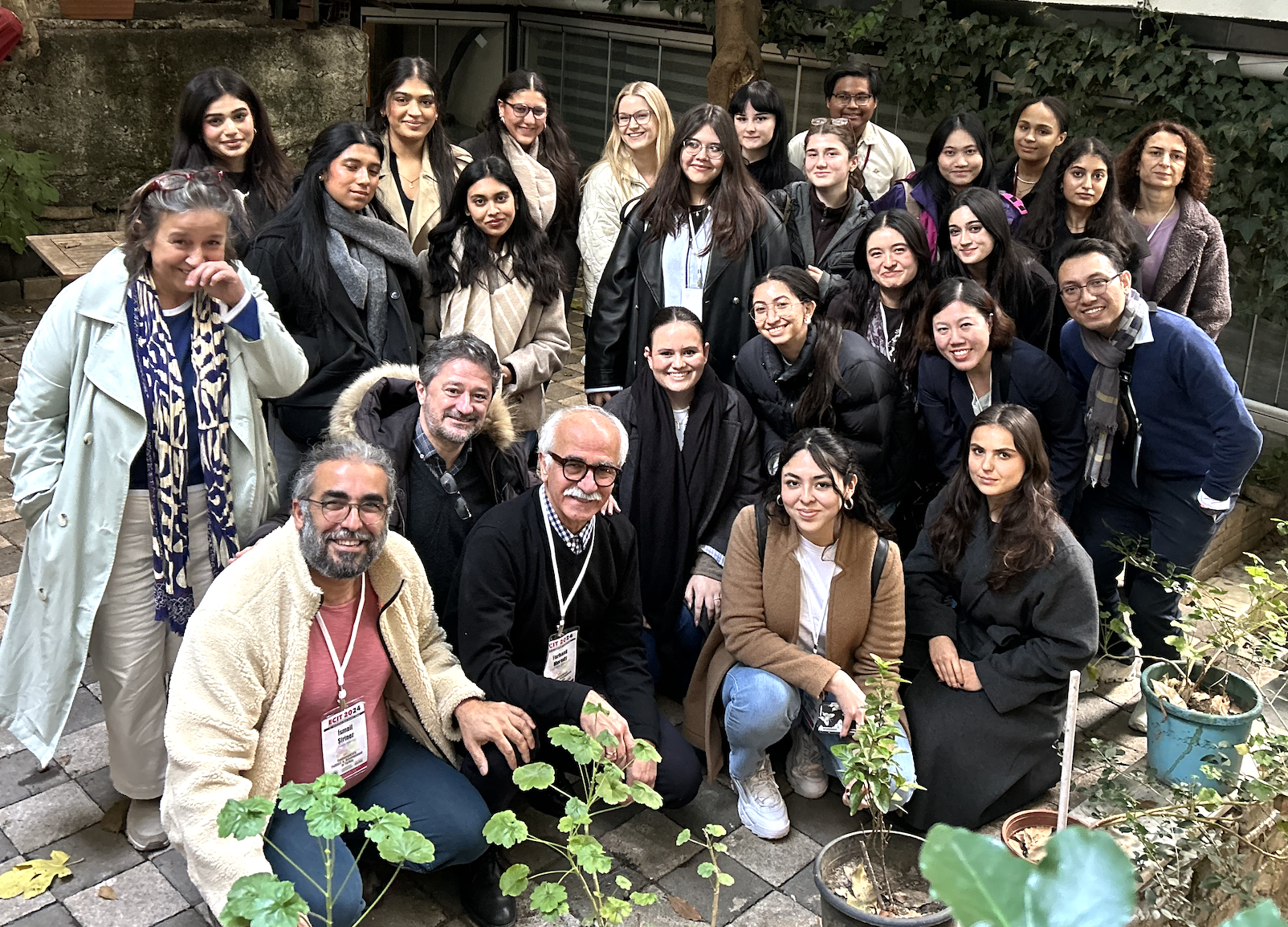
My connection with the network goes back to 2009, when Professor Farhang Morady and students from the University of Westminster first came to Türkiye. At that time, we were organising ICOPEC, the International Conference on Political Economy, and Westminster academics and students began to take part in our academic activities in Türkiye.
Although DEN as a formal network later developed its own identity, the spirit of what I encountered from the beginning was very close to DEN: international, student-centred, democratic and intellectually serious. What brought me in was the quality of the students, the sincerity of the collaboration, and the possibility of building a long-term academic bridge between Westminster and Türkiye.
Which DEN activities have you taken part in?
I have mainly taken part in three kinds of activities. First, I have helped host and organise academic programmes in Türkiye for Westminster students and academics, often linked to ICOPEC and related seminars. Second, I have contributed to seminars and discussions on Türkiye, the global economy, development, social change, history, political economy and gender. These sessions were usually followed by long and serious discussions with students.
Third, I have supported the student publication process through IJOPEC Publications, where many students have turned their reflections, field observations and academic work into books. These activities have also been accompanied by visits in Istanbul and other learning experiences outside the classroom.
Was there a moment at DEN that has stayed with you?
What has stayed with me most is not one isolated moment, but a repeated experience over many years: students arriving in Türkiye with curiosity and intellectual energy, then developing their ideas through seminars, visits, conversations and writing.
The growth of the group itself was memorable. We began with a very small number of students, around four. In some years the group reached nearly forty, and most years we worked with approximately twenty to twenty-five students. I also remember students such as Fatma and Gabriela, who showed how much academic potential this network could nurture.
What aspects of DEN have had the biggest impact on you?
The biggest impact has been the quality of the relationship between students and academics. In many institutions, student-centred education is discussed as an ideal, but here I saw it practised seriously. Students were not treated as passive listeners. They were expected to read, debate, observe, write and take responsibility for their own intellectual development.
I was also deeply impressed by Farhang’s commitment to students. From their accommodation, food, safety and travel arrangements, to editing their texts and supporting them through academic and personal difficulties, this level of care created a very special academic community.
How has DEN influenced your teaching, your research, or the way you think about working with students?
DEN has strengthened my belief that education is most powerful when students are treated as producers of knowledge, not only as recipients of knowledge. It has influenced the way I think about teaching and supervision by reminding me that serious learning happens not only in classrooms, but also in seminars, conferences, field visits, cities, books, conversations and shared experiences. It has encouraged me to give students more voice, more responsibility and more confidence in academic settings.
Has DEN supported your academic career or professional development?
Yes. DEN has supported my academic and professional development by helping to build a long-term international academic relationship between Türkiye and the University of Westminster. Through this network, I have been involved in seminars, conferences, student publications, institutional cooperation and international academic dialogue. It has also widened my understanding of democratic education as a lived practice rather than only a theoretical concept.
For me, DEN is not merely a project. It is a working model of how universities can build meaningful international networks while keeping the human dimension of academic life alive.
What is one thing DEN has given you that you would have struggled to find elsewhere?
DEN has given me a rare example of an international academic network built on genuine care. Many networks can produce conferences, publications or institutional agreements. DEN has done all of these, but its real difference is that it combines academic seriousness with student development, mentoring, friendship and long-term commitment. This combination is difficult to find elsewhere.
What advice would you give to students and colleagues thinking of joining?
To students, I would say: join with curiosity, discipline and courage. DEN can open intellectual and personal doors, but students must also be ready to work hard, listen carefully, ask questions and write seriously.
To academic colleagues, I would say: get involved if you are ready to take students seriously. DEN is not only about organising events. It is about creating a shared space where students, academics and institutions learn from one another.
What would you say to a colleague at another university?
I would say that DEN is one of the most meaningful student-academic networks I have seen. It has strong international links, including Türkiye, Thailand, Uzbekistan, Taiwan and Vietnam, and it connects academic work with real student development. It is not a symbolic project. It produces seminars, conferences, publications, exchanges, friendships and long-term academic pathways. Most importantly, it changes students’ confidence and horizons.
Should DEN do anything differently in the next decade?
In the next decade, DEN should protect the qualities that made it special: care, trust, dialogue and close academic mentoring. As networks grow, there is always a risk of becoming too institutional, too bureaucratic, or too formal. DEN should avoid this.
At the same time, it could document its history more systematically. Its student books, conferences, visits, academic careers and personal stories should be archived and made more visible, so that future students understand that they are joining not only a project, but a living tradition.
Anything else you would like us to know?
I would like to congratulate DEN on its tenth anniversary. From my perspective, the importance of DEN lies in the fact that it has never been only an academic project. It has been a community of students, academics and institutions built through labour, friendship, trust and intellectual seriousness.
My relationship with this wider network began in 2009, through Professor Farhang Morady, Westminster students, and our academic work in Türkiye. Looking back, I can say that this has been one of the most valuable student-academic collaborations I have experienced in my career.
* * *
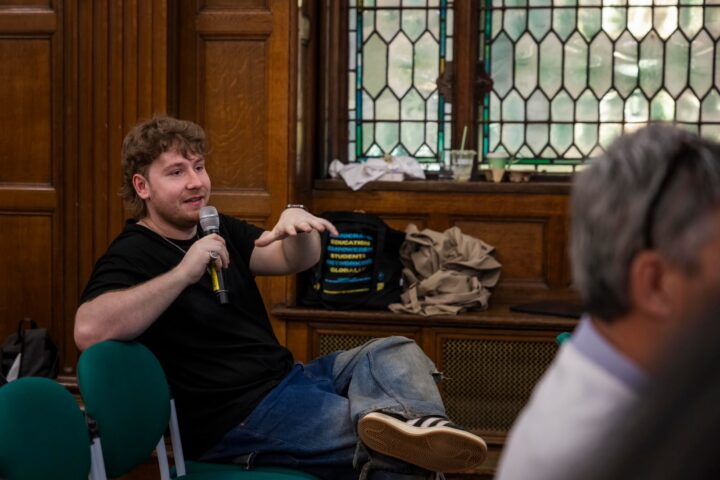
Photo caption: Prof. Dr. İsmail Şiriner, Professor of Economics at Batman University, Türkiye, reflects on long-standing academic collaboration with Westminster students, DEN, and international democratic education networks.