
A City and Islington College tutor on a decade of partnership with DEN, and what AI will mean for the next ten years
Lee Kennedy, Teacher and Tutor, City and Islington College (CCC), London, United Kingdom
Part of the Inside Westminster anniversary series marking ten years of the Democratic Education Network.
* * *
About you
Lee Kennedy, Teacher and Tutor at City and Islington College (CCC), London. My work sits across teaching, tutoring and partnership development, with a particular focus on helping students connect their classroom learning with employers, universities and community organisations.
How did you first come into contact with DEN?
I first came into contact with DEN through the partnership between City and Islington College and the University of Westminster. What brought me in was the chance to give our students experiences beyond the normal college timetable: visiting a university, meeting students and academics from different countries, presenting their own ideas, and seeing that their voices mattered in serious academic and professional spaces.
Which DEN activities have you supported or taken part in?
I have supported student visits and presentations connected to DEN and the University of Westminster; partnership and mentoring activity linking City and Islington College with DEN, the University of Westminster, and other organisations; and wider student-facing events where learners presented ideas to partners, including the successful event at the Business Design Centre.
My role has often involved the practical work behind the scenes: preparing students, coordinating partners, encouraging attendance, supporting presentations, and helping students make the most of the opportunity.
Was there a moment at DEN that has stayed with you?
One moment that has stayed with me was watching college students step into a university conference room, at first unsure of themselves, and then grow in confidence as they listened, spoke, and presented. Some students were surprised to meet people from other countries and to hear different perspectives. Seeing them realise that they belonged in that space was powerful. It reminded me why partnerships like DEN matter: they can change how a young person sees their own future.
What aspects of DEN have had the biggest impact on you?
The biggest impact has been DEN’s openness and its international outlook. DEN does not treat students as passive visitors. It invites them to take part, speak, ask questions, and learn from people beyond their immediate environment. That approach fits strongly with the work I try to do at City and Islington College: bridging the gap between education, industry, community, and higher education.
One concrete example of that bridging work is the Breakfast Club community, which brings together the college, the University of Westminster, and the wider local community in genuine cooperation and collaboration. The Breakfast Club gives college students, university students, academics, community partners and employers a regular, informal space to meet, share ideas, and build trust outside the structures of formal teaching. Around a shared meal, people who might otherwise never sit at the same table get to know each other as equals. That is the kind of work DEN does best, and it is the kind of work I want to see grow further in the next decade: creating real partnerships between FE colleges, universities and the communities they serve.
How has DEN helped you develop personally and professionally?
DEN has helped me develop by showing what a strong educational network can do when it is built on trust, care, and collaboration. Professionally, it has strengthened my confidence in partnership working, event organisation, student preparation, and communication with external organisations. Personally, it has reinforced my belief that students thrive when they are given responsibility, respect, and access to real audiences.
Has DEN supported your career or professional development as a member of support staff?
Yes. Through DEN and the wider partnership network, I have had opportunities to work with university colleagues, international guests, community organisations, and employers. This has developed my skills in coordination, communication, mentoring, and relationship-building.
It has also given me opportunities to take on responsibilities beyond a conventional classroom role, including helping students prepare for public presentations, supporting collaborative projects, and contributing to events that connect education with the wider world.
What is one thing DEN has given you that you would have struggled to find elsewhere?
DEN has given me a genuine bridge between college students and an international university community. That is not easy to create. It gives students access to spaces, conversations, and networks they may not otherwise encounter, and it gives staff a chance to work in a wider educational community where ideas, cultures, and experiences are shared.
What advice would you give to students and to colleagues thinking of joining?
To students, I would say: take every opportunity seriously, even if it feels unfamiliar at first. Say yes to visiting new places, presenting your ideas, and meeting new people, because those experiences can open doors.
To colleagues, I would say: get involved. The work can be demanding behind the scenes, but the impact on students is clear. Your encouragement may be the reason a student applies for a course, speaks in public, attends an interview, or believes they can do more.
What would you say to a colleague at another institution?
DEN is the kind of network that makes partnership work meaningful. It is not just about putting logos together or holding one-off events. It is about creating real experiences for students, and giving them access to people and places that can influence their aspirations. If you want your students to see a bigger world and to feel part of it, DEN is worth engaging with.
Should DEN do anything differently in the next decade?
In the next decade, DEN could make the behind-the-scenes work even stronger by introducing more structured follow-up after events, so that students, staff, and partners can see what changed because of the work.
I also think DEN should put artificial intelligence at the centre of its next phase. AI will have a massive impact on education, employability, and the way students learn, communicate, and prepare for work. DEN can help make sure students do not simply use AI, but understand it critically, ethically, and creatively. That means giving students and staff practical opportunities to learn AI skills, while also discussing fairness, access, confidence, and the human values that must guide the technology.
Anything else you would like us to know?
I would like to recognise the students, colleagues, and partners who make this work possible. I would especially like to mention Dr Farhang Morady, whose commitment to community and global engagement has made a real difference. Farhang has built bridges between college students, university students, academics and community partners, and he has shown through his work that education is strongest when it is based on diligence, respect, care, and collaboration. His support for DEN and for City and Islington College has helped students see themselves as part of a wider learning community, not just a classroom.
DEN has been part of a wider partnership culture that has helped students build confidence, develop employability skills, meet employers, visit professional settings, and imagine futures they may not have seen before. Looking ahead, AI will have a massive impact, but people like Farhang remind us that technology must serve communities, not replace them. The next decade should combine innovation with human connection, so that AI, partnership work, and international education create more opportunities for students who need them most.
* * *
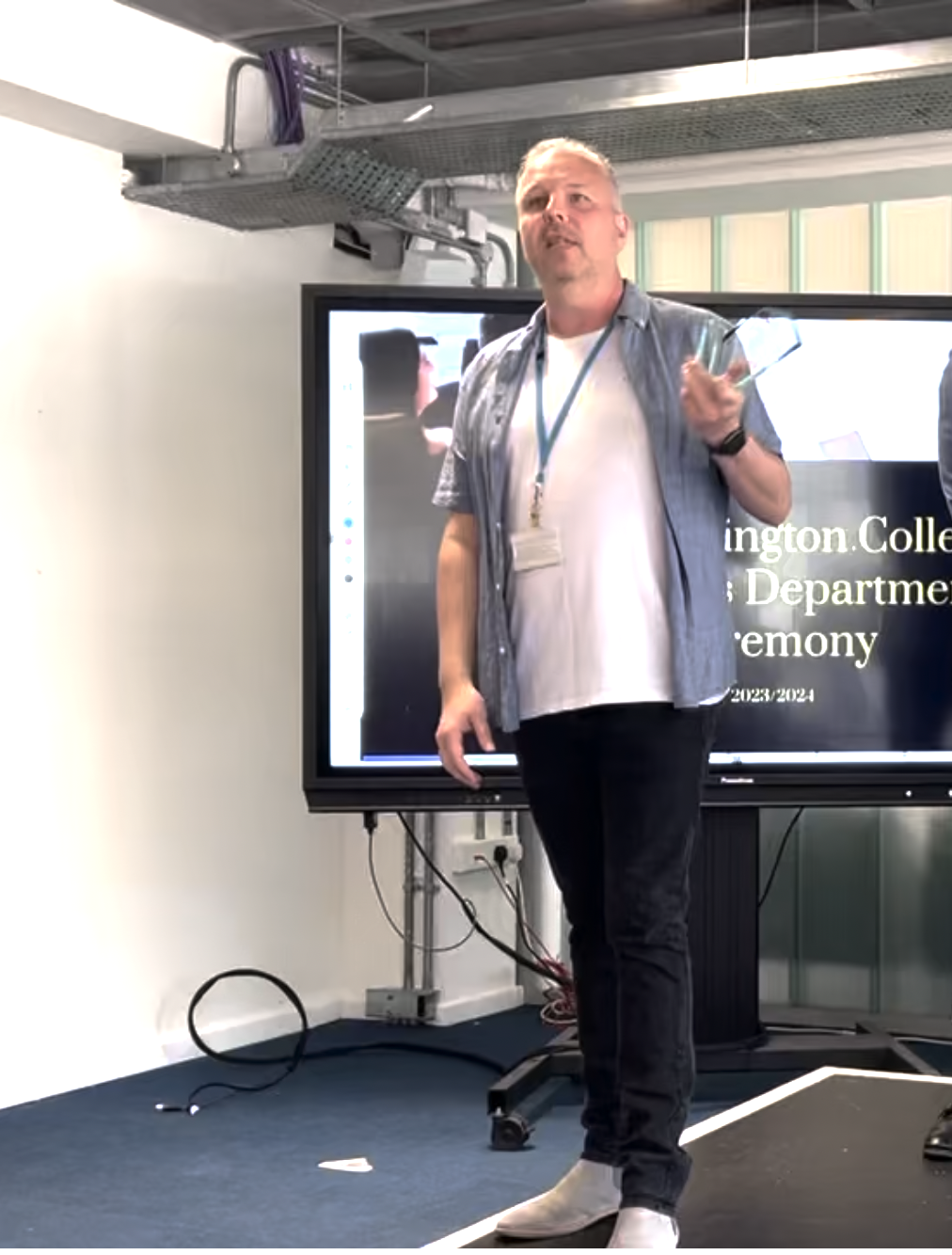
Photo caption: Lee Kennedy, Teacher and Tutor at City and Islington College, supporting students through partnership work with DEN, the University of Westminster, and wider community and employer networks.

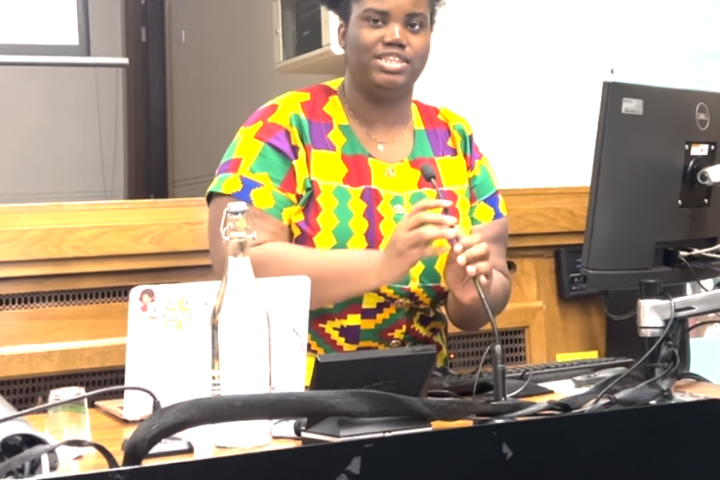
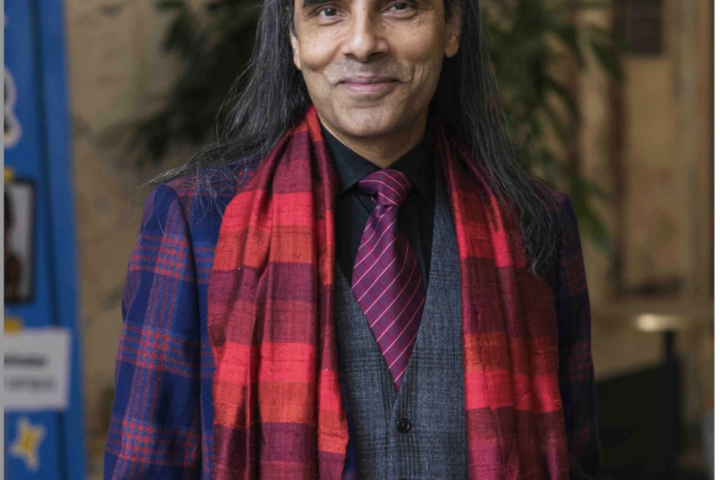
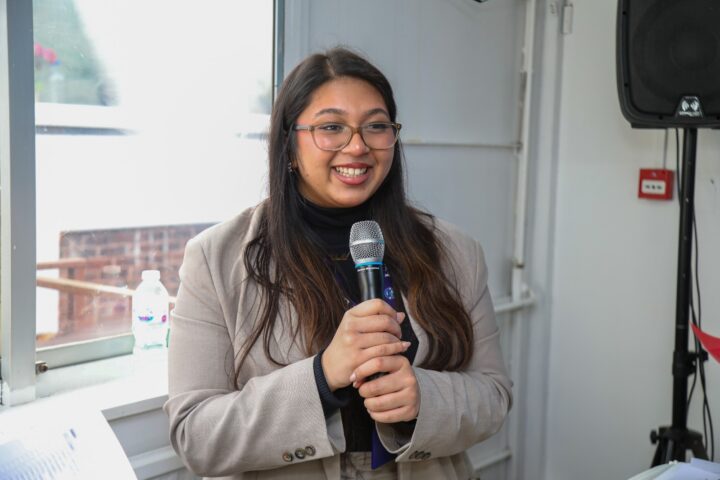
Lee has a natural ability to connect with the world around him, in both the human sense and with technology. He has a rare quality to motivate the disengaged. Working along side him is extremely rewarding and educational, even as a lecturer, as he continually shares his knowledge and expertise to support colleagues keep up with the rapidly changing digital world.