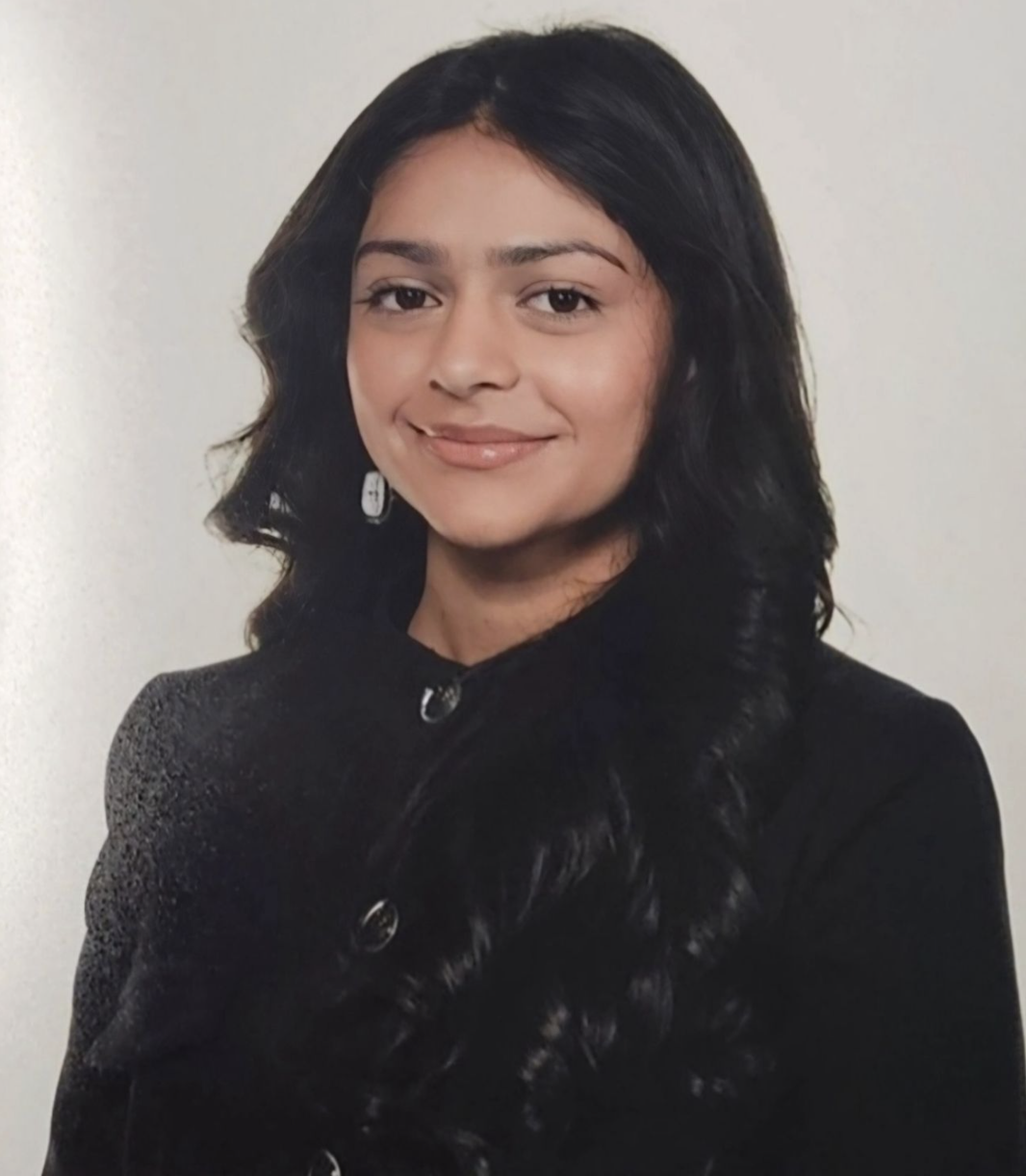
The Student Voices initiative features an interview with Vanshi, conducted by her DEN. She is currently adapting to her new environment and has opportunities to create positive change and contribute to both the University and DEN. In this interview, she shares her thoughts on why she decided to attend the university and discusses her motivations. She also encourages her classmates to participate in this brief interview.
——————————————————————————————————-
1. What factors led you to enrol at the University of Westminster, and what aspects of starting here bring you the most enthusiasm?
I chose the University of Westminster because I wanted a vibrant, central London academic environment that aligns with my interests in politics, communications, and social impact. I was particularly drawn to its strong links with industry and media, as a content creator and future leader, I knew this would be a place where I could combine theory and practice. What excites me most about starting here is immersing myself in the campus community, collaborating with peers from diverse backgrounds, and leveraging Westminster’s location to engage directly with governance, media, and policy-related opportunities.
2. When did you discover the Democratic Education Network (DEN), and what factors led you to become a member?
I first heard about DEN during induction week, and I was immediately curious. The idea of practising authentic student voice and shared decision-making resonated strongly with my belief in social impact and democratic governance. I became a member because I wanted to help shape an educational culture where students aren’t just participants but active co-creators, and DEN’s ethos aligned perfectly with my desire to advocate for change, support inclusive engagement, and bring a constructive voice to campus life.
3. Describe your understanding of educational democracy through a single sentence.
Educational democracy is the principle that students, educators, and the broader community collaboratively share decision-making power to shape learning, environment, and governance in ways that reflect diverse voices and equitable opportunity.
4. Describe a situation where you used your voice to make a change, no matter how small the action was.
Serving as both Head Girl and Chair of the Barnet Youth Assembly has given me the privilege of using my voice to create real impact. As Chair, I led discussions on youth-led motions, including one I proposed to make local information more accessible to 13–18-year-olds. This idea evolved into one of the Assembly’s first interviewing projects, where we engaged with the Mayor of Barnet, Cllr Tony Vourou, and showcased youth perspectives publicly. Similarly, as Head Girl, I worked to ensure every student felt represented by launching initiatives that strengthened community spirit and encouraged collaboration across year groups. Both experiences taught me that meaningful change often begins with a single voice and grows when others are empowered to join in.
5. The majority of students manage their time between work responsibilities, caring duties, and daily commutes. What factors enable you to stay involved in DEN activities even when you face multiple responsibilities?
What keeps me involved is a clear sense of purpose, knowing that my contributions can genuinely influence change, alongside strong time-management habits developed through balancing my studies, content creation, podcast work, and leadership commitments. I view my involvement in DEN not as an extra, but as integral to my personal development and social impact journey.
6. You have an opinion about how digital tools and AI systems affect student voice and participation in educational settings.
I believe digital tools and AI systems have tremendous potential to amplify student voice by enabling broader participation and accessible feedback. However, it’s so important to prioritise equity, transparency, and empowerment, ensuring students are creators and decision-makers, not just data points.
7. What particular ability or viewpoint do you possess which could benefit DEN projects throughout this academic year?
I bring a strong content-creation skill set, thanks to my experience managing a podcast and creating educational and fashion content. This enables me to assist DEN in amplifying its messaging, designing engaging campaigns, and transforming student-voice insights into compelling formats. My background in governance and leadership also enables me to contribute strategically, shaping projects, identifying key stakeholders, and ensuring tangible outcomes.
8. Who among your inspirations includes people, communities, or movements, and what essential lesson do you plan to bring to DEN?
I draw inspiration from youth leadership networks such as Future Leaders, as well as thinkers in international relations who champion participatory democracy. The essential lesson I bring to DEN is that meaningful change comes from collaboration and amplifying underrepresented voices, turning discussions into concrete action that benefits the whole community.
9. What collaborative project do you want to develop during this term, such as a blog, event, policy brief, or campus initiative?
I’d like to develop a Student Voice Podcast & Blog Series in partnership with DEN, where each month a student or staff member discusses a key campus issue, such as digital inclusion or commuting challenges, followed by a written reflection summarising insights and proposed solutions. It would provide students with a platform to be heard while informing university leadership through their lived experiences.
10. Your one-sentence welcome to new classmates includes an invitation to join DEN meetings or projects during this month.
If you don’t do politics, politics will do you, so come join us make a meaningful change here at DEN.