In my first blog, I wrote about my expectations for New York and the United Nations, how I imagined the city as a centre of global diplomacy, cultural exchange, and dynamic energy. While I have not yet walked its streets, the materials we’ve studied in preparation for the trip have already offered a vivid lens into the layered realities of this city: its colonial roots, architectural ambition, and the soul of Harlem. New York, I now realise, is not just a destination, it’s an evolving idea.
The story of New York begins not as the shining metropolis we see today, but as New Amsterdam, a Dutch colonial trading post founded in the early 17th century. What I found particularly compelling in this origin story was how commerce, migration, and multiculturalism were embedded into the city’s DNA from the start. The Dutch approach to governance, while profit-driven, was relatively tolerant for the time, attracting people from various religious and ethnic backgrounds. When the British took over and renamed it New York in 1664, this spirit of diversity persisted and laid the foundation for the city’s future identity as a global melting pot.
The learning material and historical content made me appreciate how urban growth and power are never neutral, they are shaped by those in control and those pushed to the margins. This becomes even clearer in the story of Harlem. Originally a Dutch farming village, Harlem was transformed into one of the most culturally rich and politically significant African-American neighbourhoods in the 20th century. Through the Harlem Renaissance, figures like Langston Hughes and Zora Neale Hurston turned Harlem into an epicentre of artistic and intellectual life. What struck me was how Harlem became a place of empowerment in response to systemic exclusion, proof that creativity can be a powerful tool of resistance.
Learning about Harlem also deepened my understanding of how neighbourhoods can shape national identity. Harlem didn’t just influence Black culture; it also influenced American culture. Its music, poetry, and politics resonated beyond New York, offering a counter-narrative to the dominant voices of the time. This history made me reflect on how public policy and urban planning often fail, or succeed, based on whose voices are prioritised.
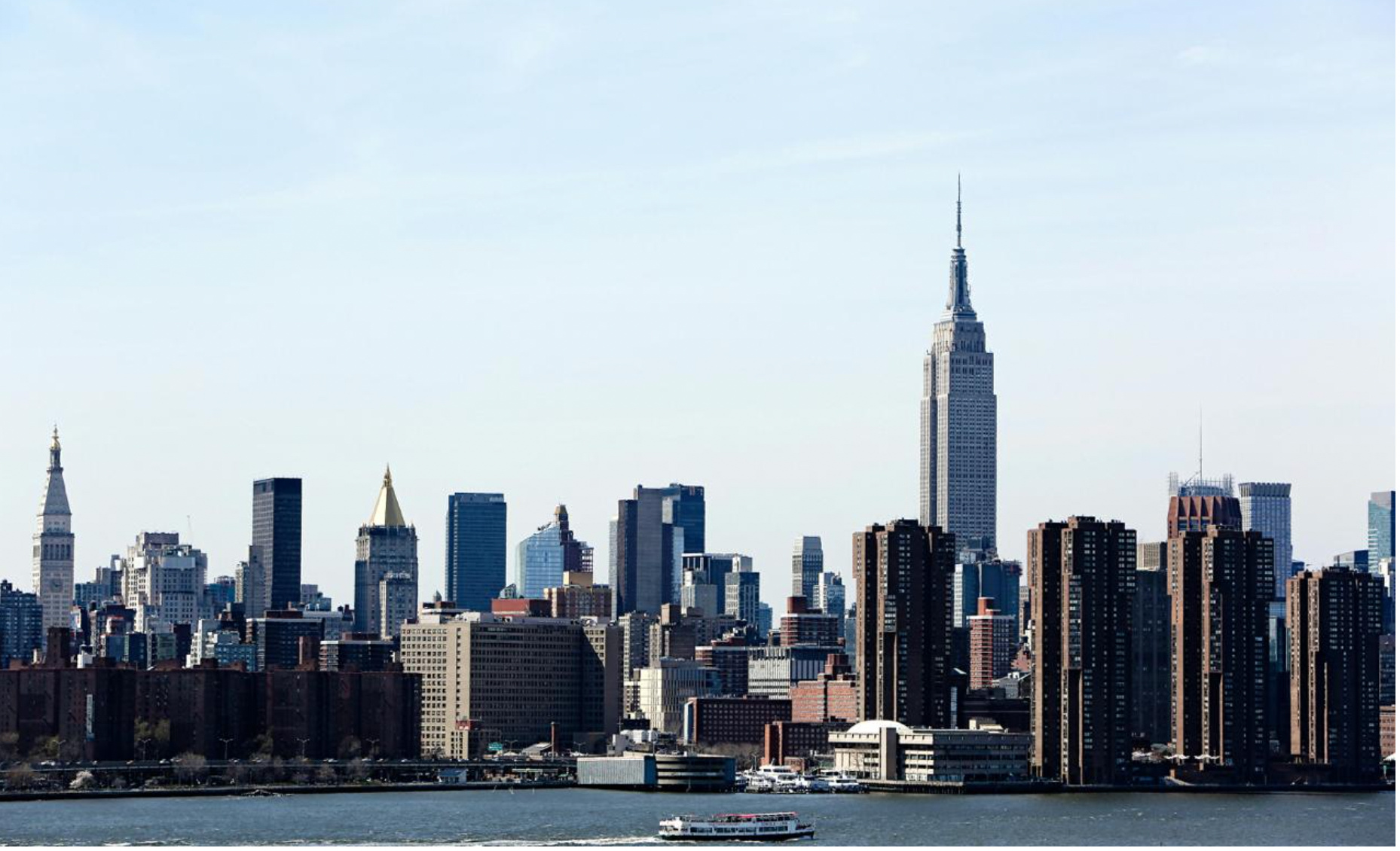
Architecture is another lens through which I’ve come to understand New York. The city’s skyline is a living timeline: the sleek modernism of the Seagram Building, the Art Deco glamour of the Chrysler Building, and the monumental civic pride of Grand Central Terminal all tell stories of ambition, innovation, and design. These buildings are not just structures but statements. They reflect the city’s aspirations during different eras, from the industrial boom to the postwar corporate age. What I found particularly fascinating is how newer developments like Battery Park City and the High Line show a shift in values, from power and prestige to sustainability and public space.
What ties all these learnings together is the idea that New York is both a city and a symbol, a place where global narratives intersect. Whether through the policies debated at the UN or the street art in SoHo, it is clear that New York operates on multiple scales: local, national, and international.
As I prepare to finally experience it in person, I feel more equipped to engage with its complexities. I no longer just expect to be inspired, I now understand that inspiration comes from context, from history, and from the resilience of the communities that have shaped this city over centuries.
New York, I realise, is not a fixed idea. It’s a negotiation, between past and future, power and resistance, preservation and reinvention. And I’m ready to meet it with open eyes.
Lucrezia Rachele Zito