Amira Ahmed
This is the first of four blogs I am writing for my module, Democratic Engagement in an International Context, at the University of Westminster. The module asks us to find a problem in our own community and follow it across the whole year: what the problem is, why it exists, how to investigate it, and what I find. I started with my own commute, because it is the part of my degree that nobody counts.
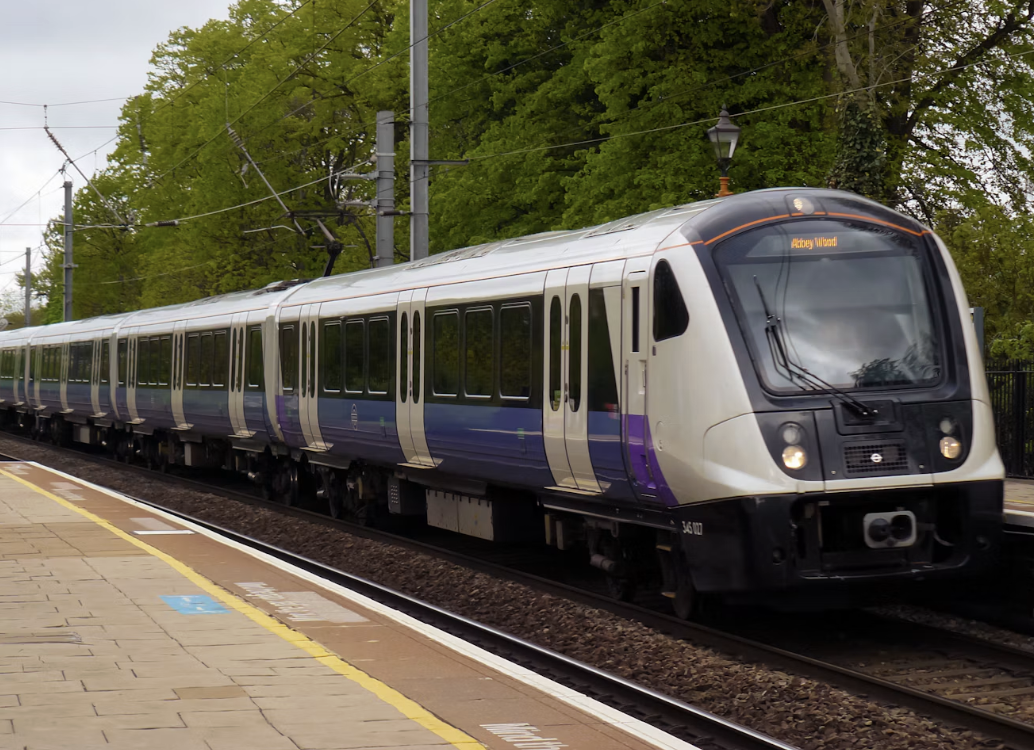
My alarm goes off three hours before my lecture begins, long before most people are awake. The journey from Brentwood to central London takes about an hour on the Elizabeth Line, and I make it four days a week.
Most mornings it works. Roughly once a week it does not. The trains are delayed, or I have slept through the alarm because I was working the evening before, and I walk into an eleven o’clock lecture ten minutes after it has started.
Ten minutes sounds like nothing. Do it once a week across a twelve-week semester, though, and it comes to two hours of teaching. It is always the same two hours, as well: the opening, where the lecturer explains what the session is for and why it matters. I spend the rest of the hour quietly trying to work out what I walked in on.
I am not complaining about living at home. Living at home saves me thousands of pounds in rent, and I know exactly how much that is worth. What I have started to notice is that the saving is not free. It costs something. The problem is that nobody writes down what.
In 1977 an economist called Claire Vickery gave that kind of hidden cost a name: time poverty. Her argument was that you can be poor in two different currencies. A household that is short of money but has plenty of time can cook from scratch, walk rather than pay a fare, and mend things instead of replacing them. A household short of both has to buy its way out of the shortage, and so ends up spending more. Being short of time, in other words, costs you money.
Students are short of time in exactly that way. The hours go on paid work and on travelling, and whatever is left has to cover studying and sleeping. There is no slack in it to absorb a delayed train.
Now the money, because this is where it becomes concrete. The government lends students a sum to live on each year, called the maintenance loan. For 2026/27, a student living away from home in London can borrow up to £14,135. A student living with their parents can borrow £9,118. The £5,017 gap between those two figures is the amount the system assumes you save by staying at home.
Put my fares next to it. Travelling costs me £70 a week, which is £840 across a twelve-week semester. I work about six hours a week to cover it. By the end of the semester I will have worked around seventy-two hours for no purpose other than getting myself to my own lectures. That is nearly two full working weeks. None of it appears in the calculation anywhere, because the loan was built to count rent. It does not count distance.
When I started looking, I found I was fairly ordinary. The Student Academic Experience Survey, which asks undergraduates across the country about their experience each year, found that 65% of full-time students work during term time, for an average of nearly fourteen hours a week. The Higher Education Policy Institute, which researches universities, found that students commuting four to six hours a week are 21% less likely to finish with a good degree. So the hours are not simply tiring. They turn up in the results.
There is also a promise sitting over all of this. Governments around the world have signed up to a target of making education affordable and available to everyone who can benefit from it, university included. In practice, affordability gets measured in rent and tuition fees. For a commuter it is also measured in train fares and in hours awake, and neither of those has a box on the form.
Which brings me to what I think the real story is. The cost has not been removed. It has been moved. It has moved from a landlord to a train operator, from my loan to my wages, and from my bank balance to my sleep. The only real difference is that rent is written down somewhere and this is not.
So here is my question, and I would like somebody to answer it. If the Department for Education believes that living at home is the affordable option, why are the students who do it paying in time, in sleep and in marks? And who benefits from nobody adding it up?
I will spend 72 hours this semester paying for a journey that the system counts as a saving.