The pedestrianisation of Oxford Street is another part of a worrying pattern
By Remington Keckler
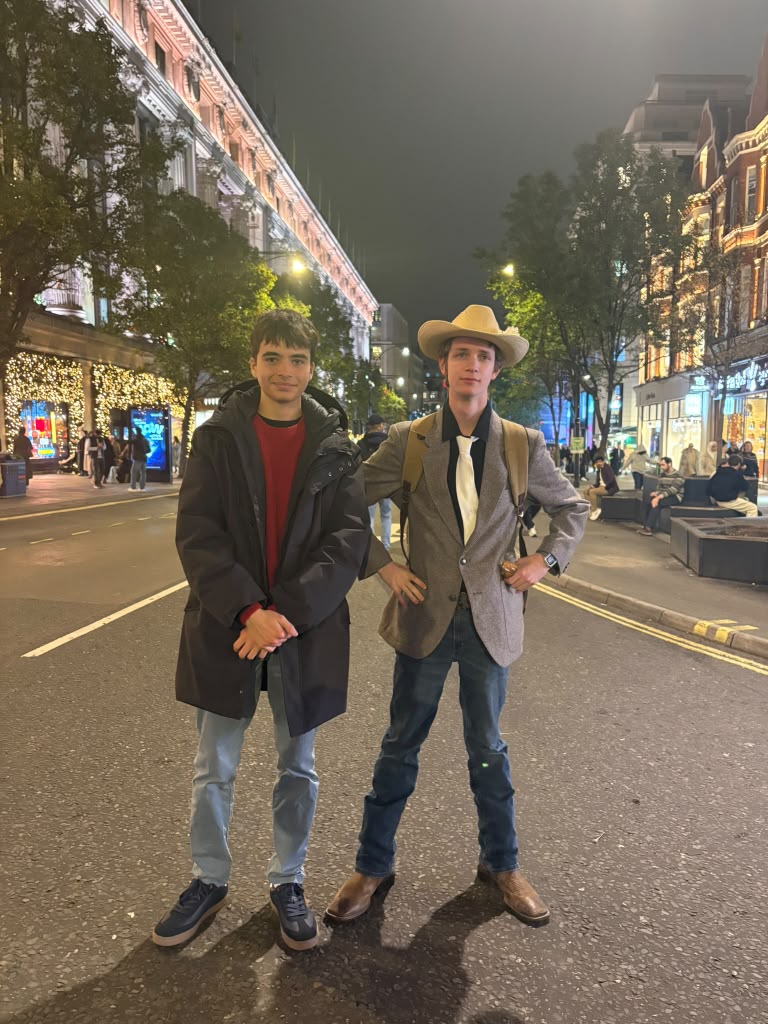
Oxford Street was pedestrianised this month. After years of talks and debates, finally a win for us urbanists… right? Don’t get me wrong, I fully support the pedestrianisation of Oxford Street — though it was a little eerie when I walked down it for the first time — but it is an example of something I notice in most urbanist spaces, or more accurately, the lack thereof: good urbanism has become a commodity.
From London to the suburbs of Houston, we’ve seen a wave of better, people-focused urbanism, though it is much rarer in America. And there’s a pattern I’ve noticed in which areas get transformed: it’s always the places that have money. Mostly places the average Joe wouldn’t normally shop. Take Oxford Street. Every Londoner I’ve asked has said their shopping trips on the nation’s high street are rare. It’s mostly tourists with money to spend and richer people who can afford to shop there.
Another example, much closer to home for me, is the Sugar Land Town Center and First Colony Mall area. Both are pedestrian-friendly and within walking distance of each other. Here’s the thing, though: they are islands of walkability in a sea of car-centric infrastructure. Every time I visited, I had to drive 20 minutes to get there. Places like these become havens for people, which becomes a selling point, which makes the area more expensive for tenants, both residential and commercial. When commercial rents go up, the only stores that can occupy the area are higher-end, meaning only people with higher disposable income will visit, making the area more exclusionary still.
Most main streets and historical districts in America face this same fate, or worse. My hometown of Rosenberg has a very walkable historical downtown, but, like the earlier example, it’s nearly impossible to reach — Lord knows we don’t have the public transport to get there. The only stores are antique shops, which require a lot of capital to start, and legacy stores that are sadly closing down and aren’t being replaced. Even though the area is perfect for walking around, the limited opening hours mean there is very little foot traffic. The rare bit of walkable space in the city sits unused. So is the area really built for people if no one can use it?
This phenomenon isn’t confined to my home country. I live in Wembley Park, and my rent is higher than that of most people in the same metro zone. That’s because I can walk to my corner store, my grocery store and food with great ease. We have a wide pedestrian road running through the middle that leads to the nearest tube station.
So why does the fact that the rich get these walkable neighborhoods first matter, if eventually everyone might get them too? It matters because I, as a leftist and an advocate for building community solidarity, know how important good planning can be from a unity standpoint. Proper human-based planning is supposed to foster community engagement; it’s a lot easier to get to know your neighbor when you both walk to the park than when you’re each stuck in a steel box.
Getting to know your community members is vital to building solidarity — not as a building, or as a chunk of time you have to carve out of your day, but as someone who shares a common place with you. Third places are where we get to know one another, so that we can have those important conversations.
In a time of such wealth inequality, the working and middle class must organize together. When we give up one of the tools that can help build lasting solidarity to the rich, it can become a weapon turned against us. When walkability becomes a commodity, it can be used to drive out the original community: gentrification. And where do the original residents go? Further from the city center, spending more on travel, trapped in the same cycle of isolation. It creates a kind of classism: the haves get to walk to their wants, while the have-nots must drive and isolate themselves to survive, or pay to experience a walkability they can’t afford.
As I said, I’m not against the transformation of Oxford Street. I think it will do some good, and it’s far too early for any final judgments. As an urbanist, I believe it will be a net positive, and may encourage more parts of London to pedestrianize. Because pedestrianization isn’t about making an area more efficient; it’s about fostering community and making it safer. As someone who has been on the wrong end of a car too many times, I welcome anything that makes that less likely to happen to others. But with each new project, we must ask ourselves which people we are building for in this people-oriented planning.