A reflection on the SOC-ENVI Kasetsart International Summer School 2026.
By Kong Yilin (‘Elaine’) · Peking University, Beijing, China.
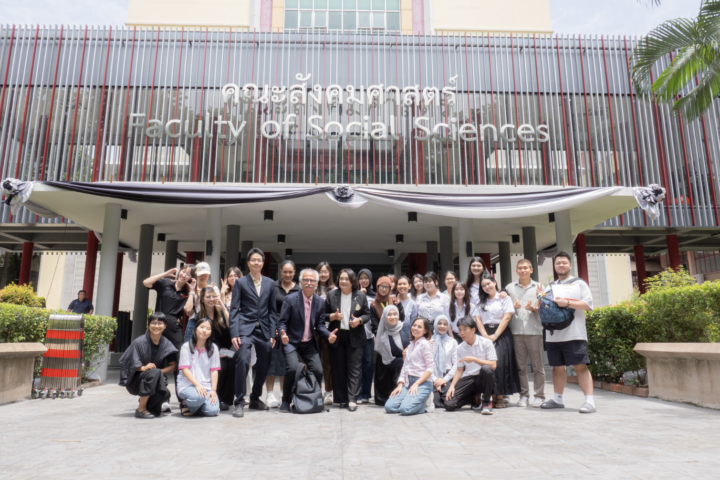
The SOC-ENVI International Summer School 2026 was hosted by the Faculty of Social Sciences at Kasetsart University, Bangkok, in partnership with the Democratic Education Network at the University of Westminster, London. It ran for a fortnight in July 2026 and brought together undergraduate and postgraduate students from Indonesia, Vietnam, the Philippines, Hong Kong, China, and the United Kingdom to work on sustainability, social innovation, and community-based development, both in the classroom and in the field.
I thought I was signing up for a few weeks of classes abroad. I came home with friendships I had not planned, questions I had not thought to ask, and a quiet change in how I see the place I was already from.
Before I arrived, I thought I knew what to expect
Before applying for the Summer School, I imagined it would be much like my everyday university life: attending lectures, participating in discussions, and gaining knowledge, except that my classmates would come from different countries. I expected to learn about other cultures through their experiences and perspectives. Looking back, I realise that the Summer School offered far more than I had anticipated.
“Is it not a pleasure to have friends coming from afar?”
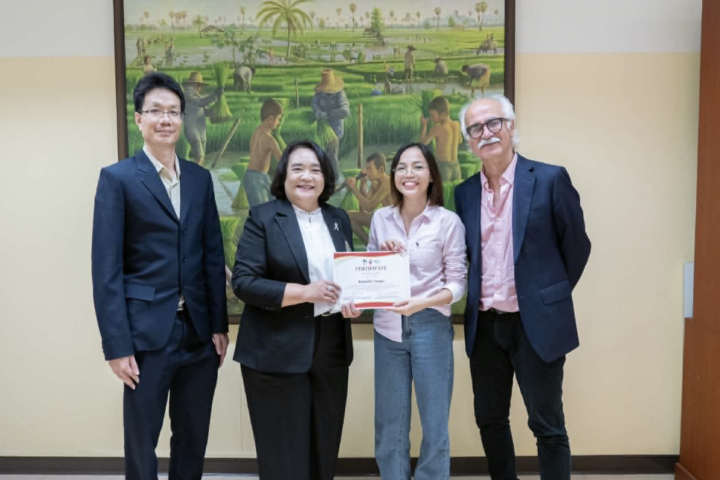
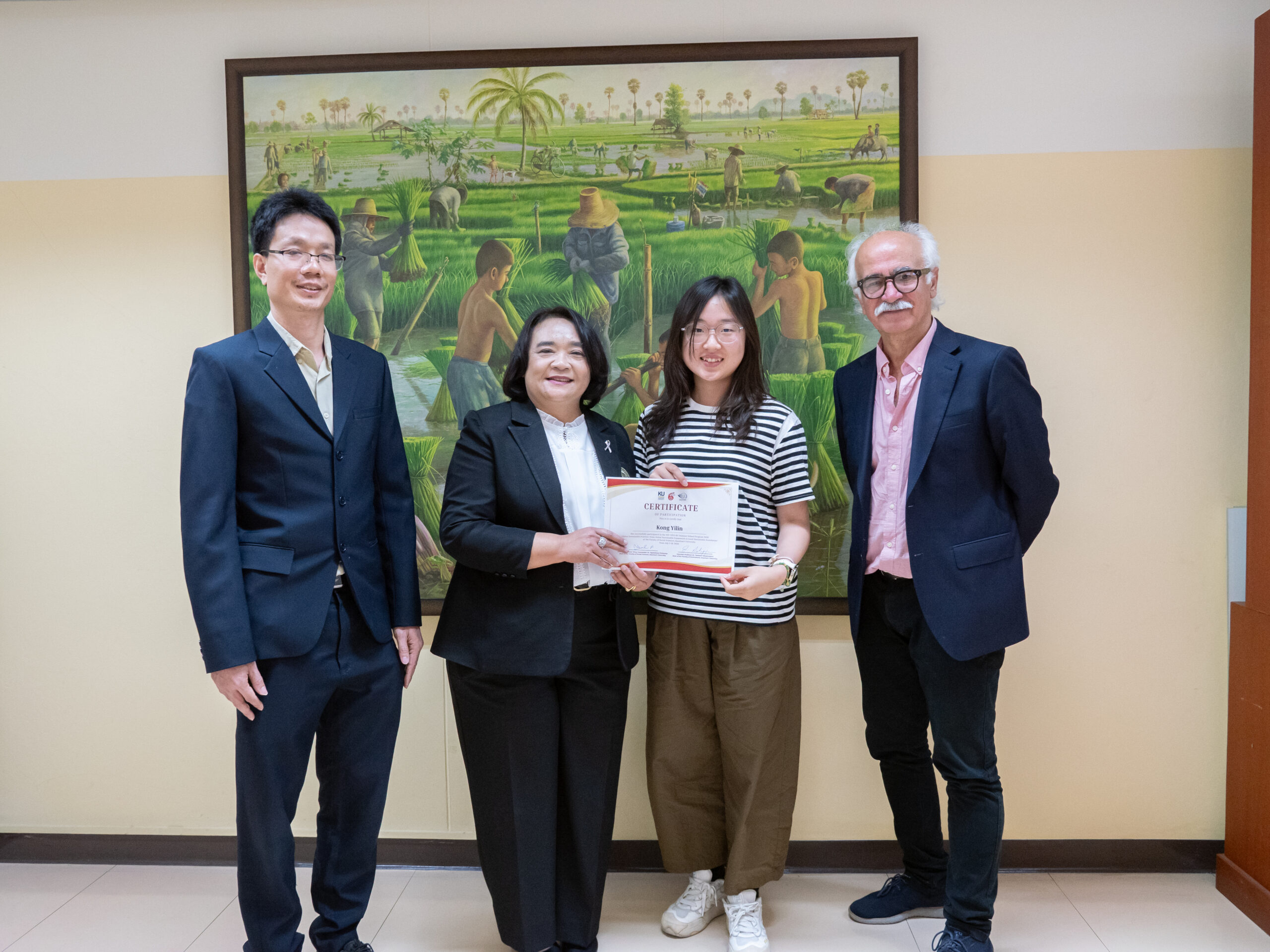
From the very beginning, the programme coordinators made us feel genuinely welcome. Even before we arrived, they patiently answered our endless questions about passports, accommodation and travel arrangements. Throughout the programme, they took care of every detail, from academic activities to our daily lives. Their warmth and thoughtfulness made me feel that we were not simply participants in an international programme, but guests who were truly valued. It was a wonderful reminder of the spirit of the old saying: “Is it not a pleasure to have friends coming from afar?”
A different way of learning
The lectures and field trips also challenged my original understanding of what learning could be. We were not simply passive recipients of knowledge, but active participants in exploring how knowledge is created and applied. During one field trip, we visited a mining site and listened to the experiences of a mother whose life was closely connected to the mining industry. Seeing the issue of over-mining through her eyes made the environmental and social consequences far more tangible than any textbook explanation could.
Similarly, when we learned about the principles behind the KU Tower and then visited it in person, abstract concepts suddenly became something we could see and experience. Our professors were not merely lecturers delivering information; they were guides who encouraged us to ask questions, challenge assumptions and discover connections for ourselves. What impressed me most was their willingness to learn alongside us, creating an atmosphere in which teachers and students could explore ideas together.
The people, not only the countries
Perhaps even more memorable than the lectures were the people I met. My classmates came from different countries, universities, academic backgrounds and walks of life. In the classroom, we were co-researchers, exchanging ideas and approaching the same questions from remarkably different perspectives. Outside it, we became friends who shared meals, explored Bangkok, and stayed up late talking about almost everything. We exchanged stories about our home countries and universities, laughed about cultural differences, and opened up about our uncertainties, ambitions and growing pains.
I had expected to gain a better understanding of different countries. I had not expected to feel so personally connected to the people who came from them. Their stories reminded me that behind every national or cultural identity is an individual with their own complicated, fascinating life.
“Behind every national or cultural identity is an individual with their own complicated, fascinating life.”
Kasetsart University itself
Kasetsart University itself also became an important part of this experience. Its welcoming campus, vibrant student life, and the kindness of the Thai students gave me a glimpse of university life beyond my own familiar environment. I was especially touched by how readily they communicated and connected with us, both during academic activities and in casual conversations. Even when we came from different linguistic and cultural backgrounds, a shared curiosity and willingness to reach out helped bridge the distance between us.
What I carry home
Looking back, I think the most valuable thing I gained from this Summer School was not any single piece of knowledge, but a broader understanding of learning and connection. At home, it is easy to become accustomed to familiar ways of thinking, familiar environments and familiar people. In Thailand, I was constantly reminded that there were other ways to ask questions, to approach problems and to understand the world. More importantly, I learned that stepping into an unfamiliar environment does not simply mean adapting to something new. It also means allowing that experience to change the way I see what is already familiar.
When I first applied, I thought I was signing up for a few weeks of classes abroad. I did not expect to come away with so many new friendships, so many stories, or such a different perspective on learning. The Summer School may have ended, but the conversations, questions and connections it gave me will continue long after I return home.
About the author
Kong Yilin, who writes under the name Elaine, is a student at Peking University, Beijing, China. She joined the SOC-ENVI Kasetsart University International Summer School in July 2026 as part of the Peking University cohort. Her first piece for Inside Westminster, “More Than Just a Bottle of Water”, was published in July 2026.