A third-year LLB Law student on choosing DEN as a second-year elective, chairing meetings before she felt ready, and the Thailand and Uzbekistan Model UN experiences that made her friendships lifelong
Laiyba Rashid, third-year LLB Law, University of Westminster, United Kingdom
Part of the Inside Westminster anniversary series marking ten years of the Democratic Education Network.
* * *
How did you first come into contact with DEN?
I first came into contact with DEN when I received an email asking whether I would like to choose an elective for my second year. I saw Democratic Engagement in an International Context and chose it without hesitation. At the time, I had no idea how much that one decision would go on to change my university experience and, in many ways, me as a person. It stood out to me because it felt completely different from my usual law modules, and gave me an opportunity to explore democracy, international affairs and political engagement in a much more interactive way.
Which DEN activities have you taken part in?
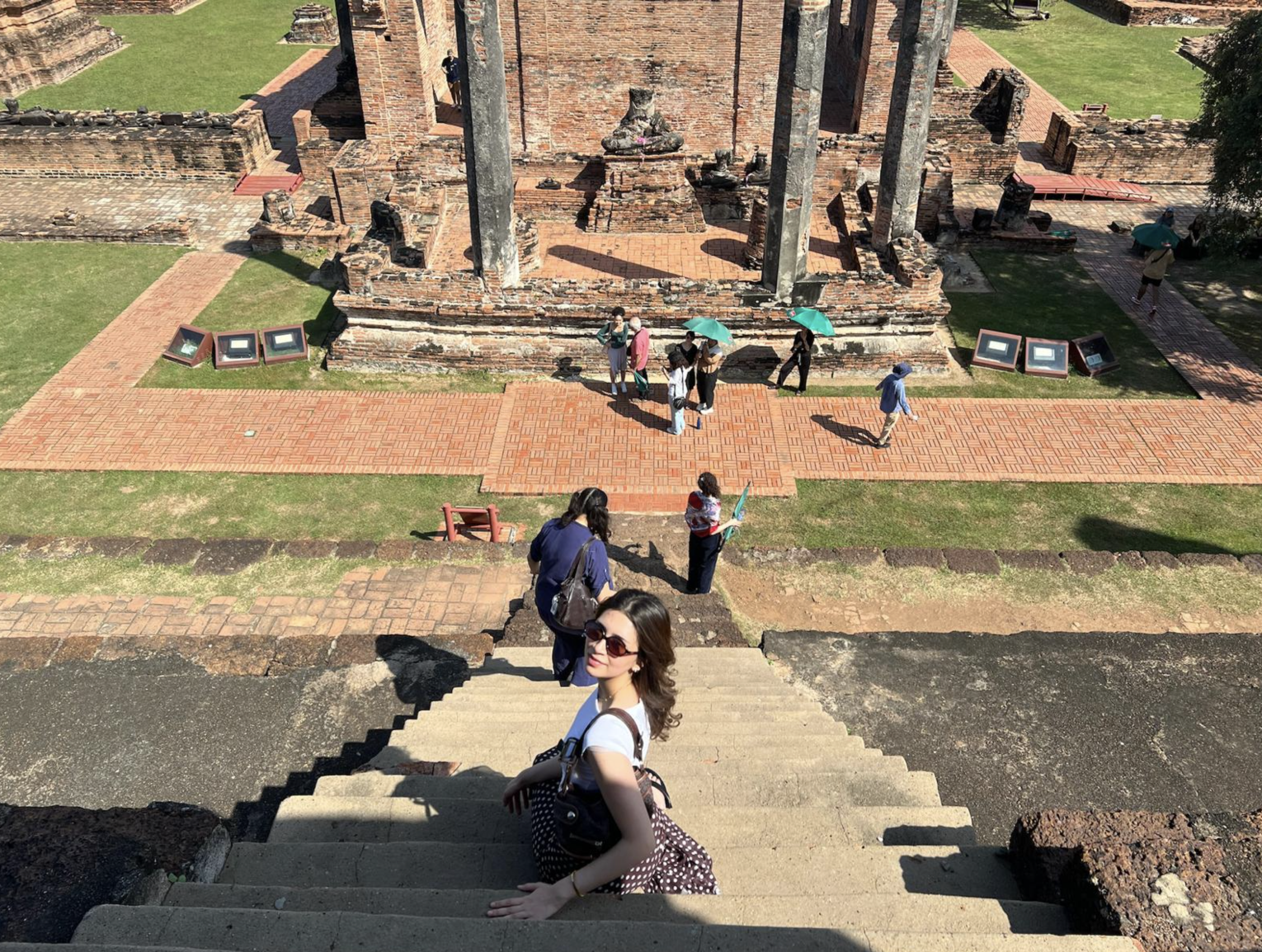
I took part in the Democratic Engagement in an International Context module with Farhang, including the Model United Nations experience in Thailand. I also later participated in TIMUN in Uzbekistan. These experiences gave me the opportunity to represent my university internationally, engage with students from different backgrounds, and experience diplomacy and international discussion in a practical way.
Was there a moment at DEN that has stayed with you?
One thing that has stayed with me is the way Farhang would randomly allocate someone to chair each meeting. At the beginning, I was always nervous about being chosen because I was naturally quite a person and rarely the first to speak. When I was eventually selected, I realised I was far more capable than I had given myself credit for. Looking back, I am grateful that I was pushed outside of my comfort zone. DEN taught me that confidence does not always come before an opportunity. Sometimes you have to step into the opportunity first, and confidence follows. That is something I have carried with me beyond the module.
What aspects of DEN have had the biggest impact on you?
The people and the international exposure have probably had the biggest impact on me. Through Thailand, I met people from completely different cultures and backgrounds, and I still keep in contact with some of the friends I made there today. Some of the friendships I have made through DEN genuinely feel like they will last a lifetime. Negena is one of those people. When I think about everything we have experienced together because of DEN, I honestly feel like we could make an entire podcast just talking about the trips, opportunities, memories and situations we have found ourselves in. I never expected to gain friendships like that when I first chose the module.
DEN also gave me the confidence to speak up and contribute much more. I learned far more about democracy, international affairs and political engagement than I expected, because the classes were so interactive and engaging. I found myself becoming genuinely involved in the conversations, rather than simply attending a class.
How has DEN helped you develop personally?
Before DEN, I was not particularly outgoing. I am now a much more outgoing person. I am more willing to approach people, contribute to discussions, speak publicly, and say yes to opportunities I may previously have avoided.
DEN has also made me much more independent. Although we travelled with our peers and represented the University of Westminster together, we were still navigating unfamiliar environments and experiences ourselves. The bond that we created as a group through those experiences was incredible.
What is one thing DEN has given you that you would have struggled to find elsewhere?
DEN has given me a combination of community, international experience, friendship, leadership opportunities and intellectual discussion that I do not think I would have found within my law degree alone. Studying law can naturally become very academically focused, whereas DEN gave me a completely different space to discuss democracy, politics, and international issues while meeting people from other backgrounds and disciplines. Most importantly, it gave me a sense of community, international experiences and friendships that I genuinely believe will last far beyond university.
What advice would you give to students thinking of joining?
Just say yes. Say yes to attending the first session. Say yes to talking to someone you do not know. Say yes to chairing the meeting, even if you are nervous. Say yes to the trip, the MUN, the discussion and the opportunity that takes you slightly outside of your comfort zone. I chose DEN without really knowing where it would lead me, and some of my best university experiences came from that one decision. You do not need to be the loudest or most confident person in the room when you start. I certainly was not. You just have to be willing to take part.
Should DEN do anything differently in the next decade?
I would like to see greater access to it. More students should have the opportunity to experience what DEN offers, including students from different courses, backgrounds and universities. Many students may not initially realise how valuable an opportunity like DEN can be until they actually take part. Over the next decade, I would love to see DEN continue to expand, so that even more students can access international opportunities, leadership experiences, meaningful discussions, and the kind of community that I have been fortunate enough to find.
* * *
Photo caption: “Just say yes.”