A 2026 Neuroscience graduate on cross-cultural research in Thailand, publishing in the DEN book, and why STEM students belong in DEN too
Kaneezah Begum, BSc (Hons) Cognitive and Clinical Neuroscience with Professional Placement, University of Westminster, Class of 2026, United Kingdom
Part of the Inside Westminster anniversary series marking ten years of the Democratic Education Network.
* * *
How did you first come into contact with DEN?
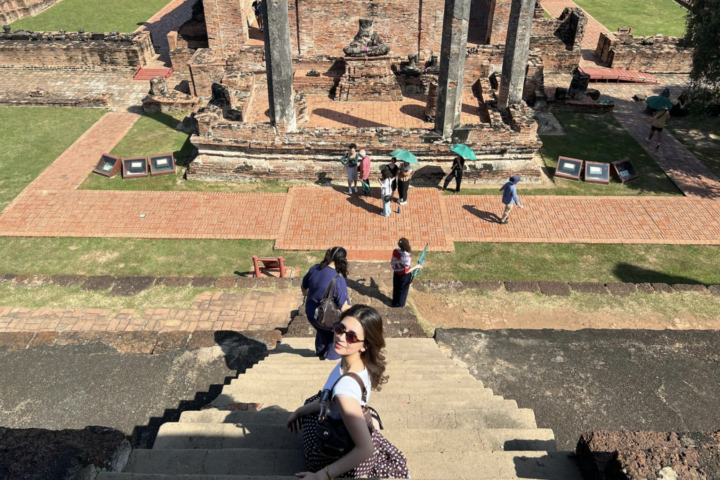
I first joined DEN through an optional module I took in my second year, called Democratic Engagement in an International Context, where I collaborated cross-culturally with students from a range of different courses. We travelled to Thailand, and I completed cross-cultural research on language acquisition, from both a neuroscience and a cultural point of view.
My research, my memories, and the enjoyment of networking globally encouraged me to join DEN more properly, where I would read other students’ blogs and see the world through their perspectives.
Which DEN activities have you taken part in?
Two in particular: reading and discussing blogs, and the new and innovative viewpoints they opened up; and writing and publishing my own article in the DEN book, which was a real milestone for me.
Was there a moment at DEN that has stayed with you?
A single line I have carried since: there is so much out there in the world, there are bigger things waiting for you, keep your mind open.
What aspects of DEN have had the biggest impact on you?
The connection and the comfort zone it gave me. It is one of the parts of my time at Westminster I will always remember.
How has DEN helped you develop personally?
When I first joined DEN, my confidence and networking skills were little to none. DEN helped me create real growth in myself, and it has helped me keep building on my dreams and my ambitions. It taught me that there will be rocks across the path, but that you have to let life work out its timings, and trust the plan.
Has DEN helped you with employability or professional development?
DEN has supported me a lot, career-wise. In such a competitive field, Neuroscience is often very textbook-driven. You get stuck in revising, and it feels like you are a robot. DEN gave some life to my academic career: the chance to say I have networked globally, that I have something published, and that I have engaged in cross-cultural collaboration.
What is one thing DEN has given you that you would have struggled to find elsewhere?
It gave me practical skills in thinking outside the box, in working with people from different specialties, and in operating in a non-judgemental environment.
What advice would you give to students thinking of joining?
Just do it. There are hundreds of clubs, organisations, workshops and seminars, but DEN is more than a community. It is something that will stay with you, and that will help you grow.
What would you say to a colleague at another university?
You are in the right place.
Should DEN do anything differently in the next decade?
More career opportunities, support, and experience specifically for STEM students.
Anything else you would like us to know?
I would like to express my sincere gratitude to Farhang. I stepped into DEN wanting to step back out. I was scared. There were too many people, and barely anyone from my course. As my time at Westminster has come to an end, I will always remember your kindness, your support and your resilience, which I carry in me too, today.
* * *
Photo caption: Kaneezah Begum, 2026 Neuroscience graduate from the University of Westminster.