Why translation is not a dead industry
By Asmaa Otmani
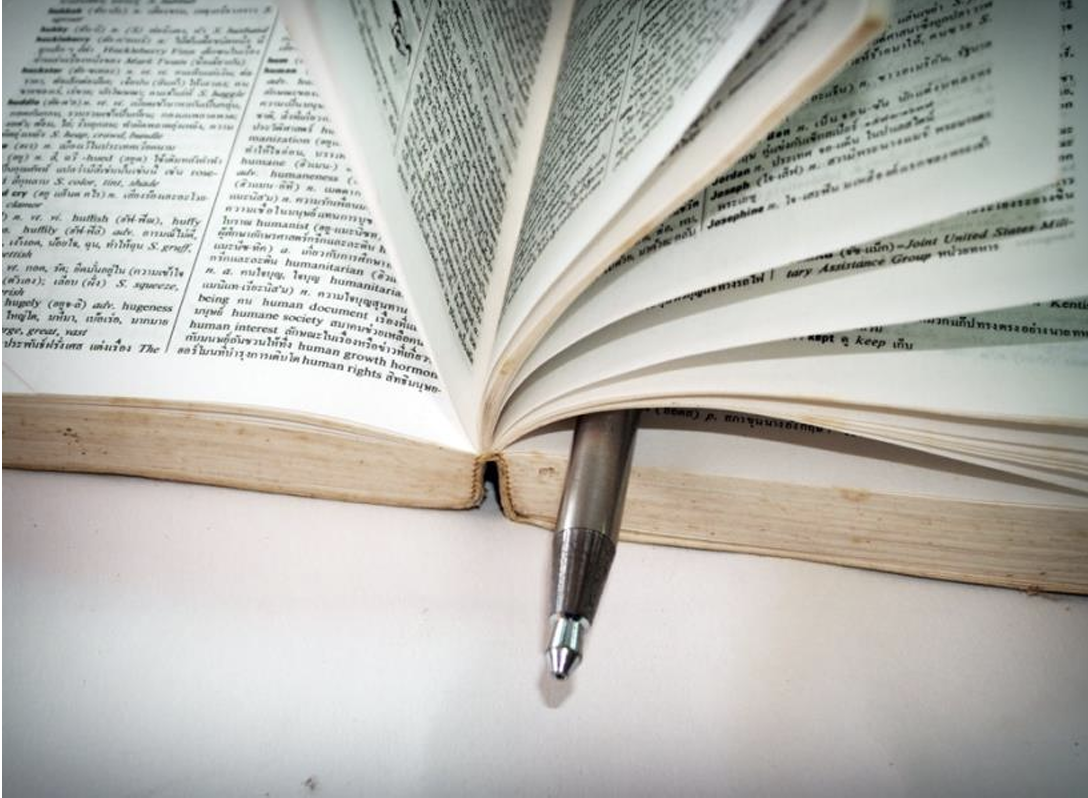
With the rise of AI, many industries have had to reimagine their future, and translation is no exception. Yet it seems that the people most confident this is the end of human translators are the ones who have never actually worked in the field. I’m a translation student, and they’ve told me so, both in person and online.
Yes, AI can translate well. But it tends to do one of two things: either it fixates on the word-level nuances and forgets that grammar exists, or it ignores those nuances and looks only at the bigger picture. And even if it one day becomes perfect, human translators will still be needed. Here are a few reasons why.
1. People don’t understand what translation is.
They assume it is simply saying the same thing from language A in language B. It isn’t. So much more happens behind the scenes; so many decisions must be made, and each choice massively influences the result. AI doesn’t think these things through. It doesn’t weigh the nuanced meanings behind certain words, nor does it stop to decide which translation theory to prioritise, and why. It just translates from A to B and produces… something.
2. Not everything can be handed to AI.
Many documents that need translating contain private or confidential information: think medical, legal and governmental material. Feeding such documents into an AI system poses significant risks to privacy and security, and relying on a machine across a language barrier in such high-stakes contexts could be harmful in itself. A human translator is needed instead.
3. AI is one algorithm; humans are many identities.
Texts like literature and poetry are interpreted differently depending on the reader’s own experiences, which then shape how they translate them. There is a real beauty in reading different translations of the same text and seeing how the same words were understood in different ways. Even if AI tried to translate a text several different ways, it would stay close to the first “interpretation” its algorithm settled on.
4. Human effort is being valued more, not less.
I’ve seen more and more people actively avoid AI-made work and choose to support human creators instead. Whether it’s music, art or literature, the moment something is found to be AI-made, people warn each other about it as if it were the plague. I’ve watched this play out in the comment sections of short animations on social media, and when readers spotted chatbot responses accidentally left inside published novels by authors such as Lena McDonald. People are now willing to wait, as long as what they get is human-made, and I believe they will feel exactly the same about translation.
Translation is one of those things that looks simple but is far more complex than anyone realises. AI is getting better at it, yes. But translation is where people from different cultures meet to exchange ideas and thoughts. It is the combination of all things human. In other words, it is everything AI is not.