Layla Abdulle
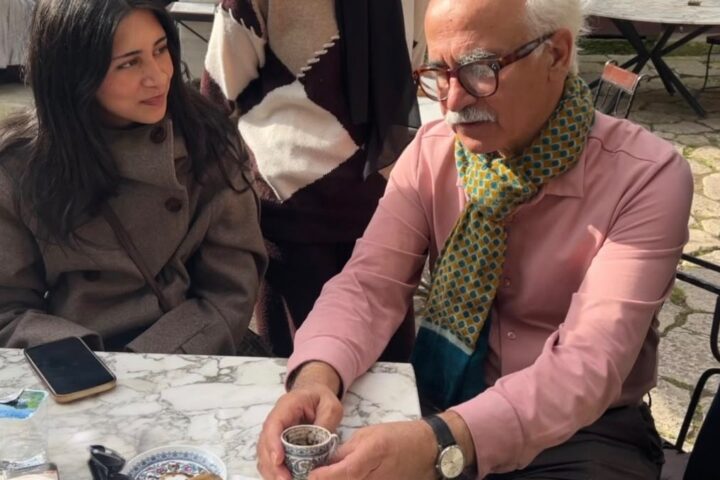
Who knew a cup of Turkish tea could be a conversation starter? In Istanbul, I found that being offered tea in a local shop was usually followed by a discussion of politics, identity, daily life and culture.
The International Seminar on Regional Political and Economic Developments at İstanbul Kültür University brought together participants from three universities. Dr Farhang Morady, Dr Korakit Choomgrant, Dr Ahmet Cemal Ertürk, Prof Dr Can Kakışım and Dr Premruedee Petgoon discussed energy politics, the rise of authoritarianism and Türkiye’s role as a middle power in a world after the closure of the Strait of Hormuz.
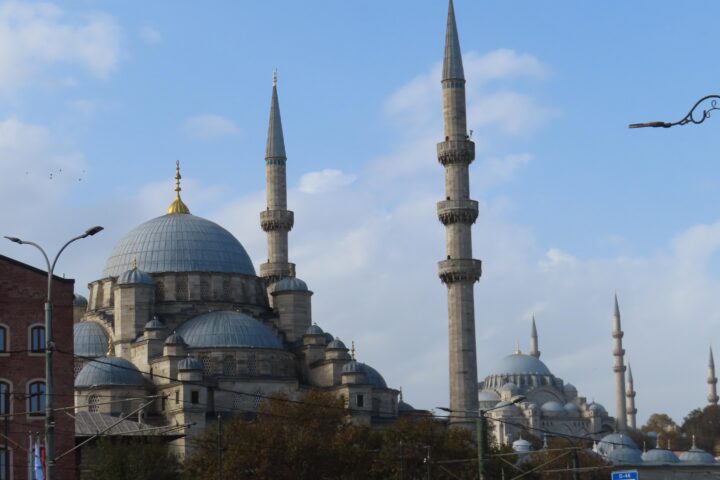
The city tour brought Istanbul’s political and historical context together with its geography. We visited an Ottoman public ablution fountain, a railway station and an ancient cistern, as well as mosques, synagogues and churches. Crossing between the Asian and European sides by ferry brought home the city’s unique position. Hagia Sophia, once a church and now a mosque, and the Blue Mosque were of great interest, and the chance to pray at the Blue Mosque at prayer time was of real personal significance. Visiting the different religious sites showed the complexity of Istanbul’s identity.
Some of my most revealing experiences, though, came from local businesses. A Kurdish shopkeeper talked about the diversity within Türkiye and about how different ethnic communities are treated by the state. An Iraqi shopkeeper told me about his sister’s migration to Europe, and said that as a Muslim she had found a better quality of life there than in Iraq. Conversations about prices and rents in the Grand Bazaar showed how competitive the market is and the economic pressure on the businesses in it. Another shopkeeper explained that pistachios are grown in Türkiye and used in many Turkish desserts, which set me thinking about domestic agriculture and food security.
These experiences connect to my research on China’s growing economic involvement in the Middle East, with Qatar as my case, and to my coming presentation on food security in Qatar. Qatar’s heavy reliance on imported food became a crisis during the 2017 blockade. Istanbul let me see how trade relationships, alternative suppliers and domestic production all contribute to food security.
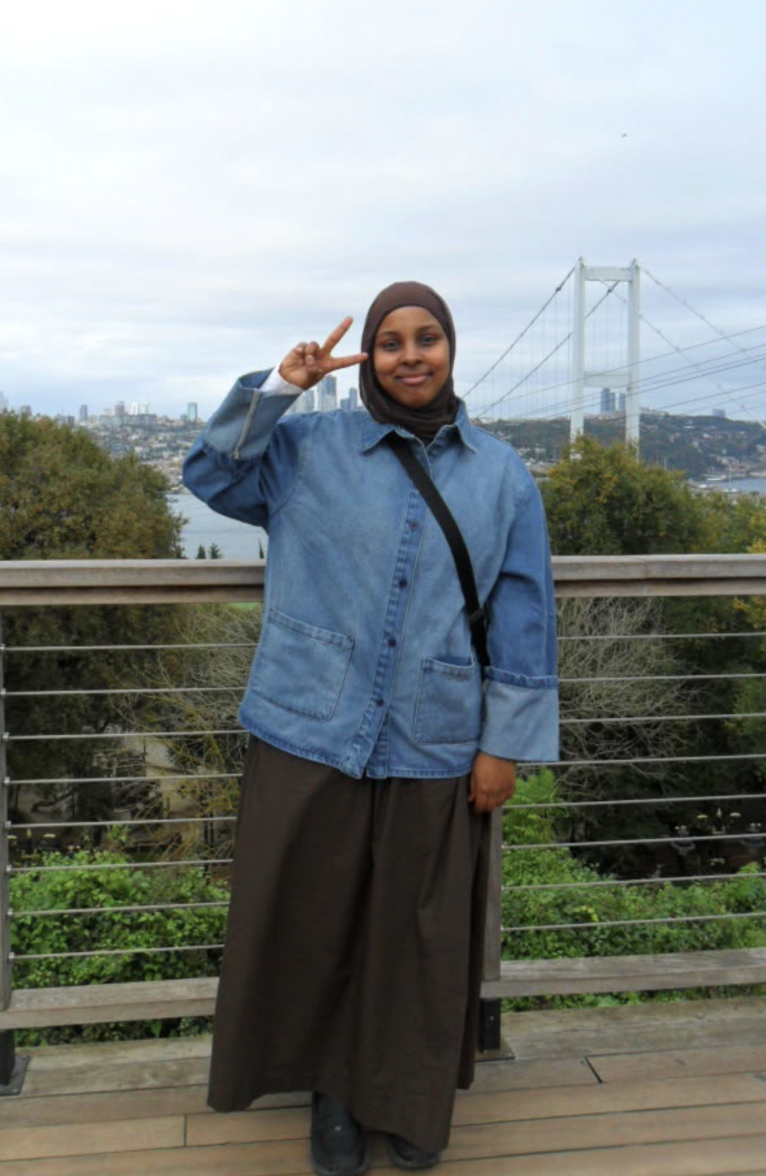
On the free day we visited the Galata Tower and went ziplining with a view of the Bosphorus, and we tried a traditional Turkish breakfast, kebab, baklava and Turkish delight.
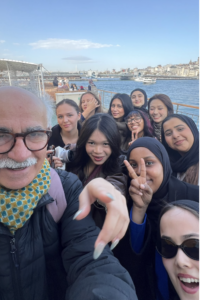
I want to thank Dr Farhang Morady for organising the trip. My experience showed exactly why international field trips are so valuable: they take learning beyond the classroom and bring new perspectives, stronger friendships and more questions, along with a little Turkish lira left unspent. Until next time, Türkiye. Teşekkürler!