Fatima Dosti
How will my expectations match up with reality when I get to Turkey? Most of what I know comes from my studies, the media and general impressions of the country’s history, politics and culture: the Ottoman past, national identity, religion, and a complicated relationship with Europe and the wider Middle East. But almost all of that comes from outside. This trip is a chance to form a more rounded view of Turkish society from within.
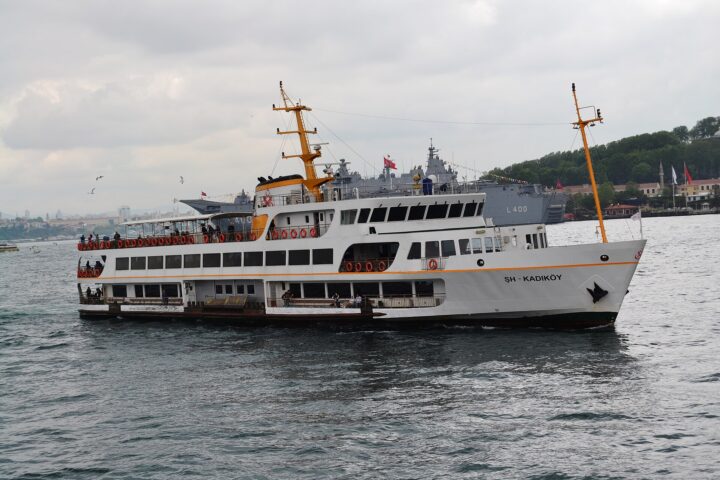
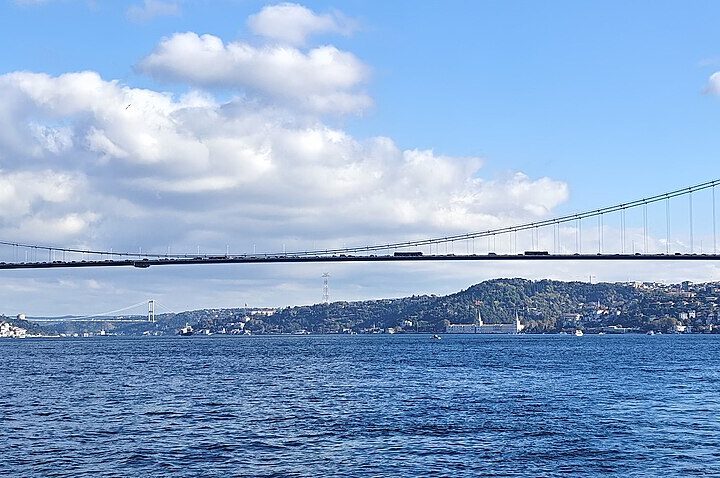
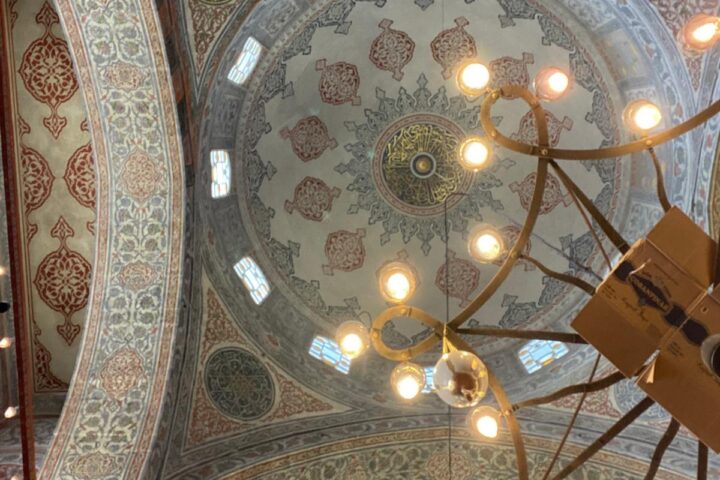
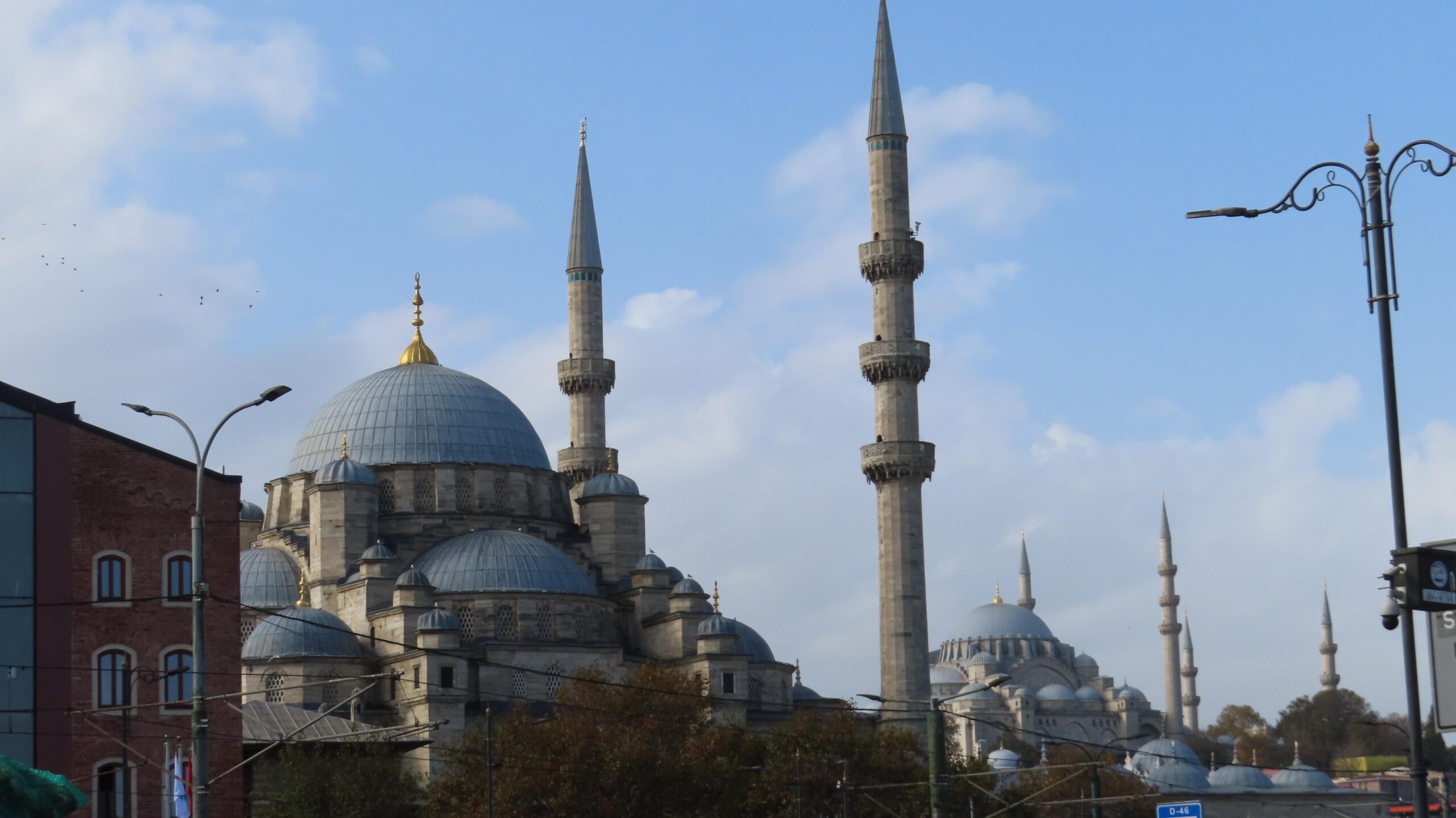
One of the things I find most interesting about Istanbul is its position between Europe and Asia. I expect a city where different cultures, traditions and influences meet: historic architecture, mosques and traditional markets alongside modern buildings, businesses and a fast-paced urban life. But I do not want to assume that this makes Istanbul simply a place where East meets West. How do Turkish people understand their own national identity? Do they feel more connected to Europe, to the Middle East, or to both?
A highlight of the trip will be the seminar at İstanbul Kültür University and meeting Turkish students. Hearing from people who live in Turkey should give us far more than the international view of issues that are discussed internationally. I would like to know how the younger generation sees Turkey’s political system, its relationship with the West and the problems the country faces, and whether their opinions mirror or challenge the narratives the international media tell us about them.
For my module, Politics and Development in the Middle East, Turkey is an interesting contrast with the two countries I have been studying, Iran and Afghanistan. All three have undergone profound political change, and in all three the relationship between religion, state and national identity is central, yet their political systems and their approaches to religion are very different. Iran’s Islamic Republic and Afghanistan under the Taliban offer two different models of how religion enters political authority, whereas Turkey has had a secular model of governance for a century, even though religion has become increasingly important in its politics. How does Turkey compare with these two countries politically, and how has its position between Europe and the Middle East shaped its political identity and its regional relationships?
One thing I hope to see differently after the visit is the relationship between secularism, religion and everyday life. I know a good deal about Turkey’s political history and the importance of secularism in it, but seeing how these ideas work in ordinary society will be more real than anything in an academic book.
I hope to come back with more than pictures and memories. I want experiences and perspectives that will inform my understanding of Turkish politics and that I can bring to my coursework. Most of all, I hope the trip challenges some of my assumptions and gives me a broader perspective on the politics of the Middle East.